Locations
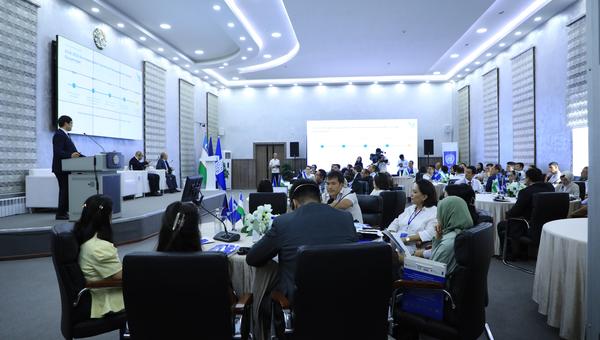
Policymakers, employers’ and workers’ organizations, youth representatives, civil society, and international partners gathered today to discuss how strengthening the care economy can accelerate gender equality, expand decent work for care workers, and foster inclusive growth in Uzbekistan.
Uzbekistan Advances Dialogue on Care Economy to Promote Gender Equality and Decent Work
February 23, 2026

Photo: UNDP Uzbekistan / Rimma Mukhtarova
Tashkent, February 19, 2026 — Policymakers, employers’ and workers’ organizations, youth representatives, civil society, and international partners gathered today to discuss how strengthening the care economy can accelerate gender equality, expand decent work for care workers, and foster inclusive growth in Uzbekistan.
To advance gender equality and inclusive growth, the roundtable “The Role of the Care Economy in Advancing Gender Equality, Decent Work and Inclusive Growth”, also marked the launch of two new analytical reports: UNDP’s study “Caring for the Future: Insights from Uzbekistan – A Gender Responsive Analysis of the Care System” and the ILO report “Domestic work in Uzbekistan: legal framework and working conditions.” The event aimed to catalyze a policy dialogue and bridge the gap between policy and practice for essential care-sector reforms.
Care work — both paid and unpaid — underpins the wellbeing of families and the functioning of the economy. However, women continue to shoulder the overwhelming majority of unpaid care responsibilities, limiting their access to employment, income, and participation in public life. In Uzbekistan, many women are held back because of this burden. Every day, women spend an average of 5.6 hours on this essential work—time that takes away from earning money, studying, or resting. Expanding access to quality childcare, eldercare, and social services can reduce these barriers while generating significant employment opportunities. Advancing the care economy also requires us to address the working conditions of those who provide care. Domestic workers play an indispensable role in supporting families and enabling others to participate in the labour market. Yet they often face informality, low wages, limited legal protection, and limited access to social protection. Ensuring decent working conditions, fair remuneration, and effective labour rights protection for domestic workers must be at the heart of care economy reforms.



Recognizing this invisible labor and its massive economic value, expanding formal care services, such as increasing affordable childcare in rural areas and funding care for people with disabilities falls under the umbrella of Public Finance for Gender Equality—making sure government budgets are inclusive and meet everyone's needs.
Uzbekistan has strengthened its commitment to women’s rights through recent legislative reforms, including the 2023 law criminalizing domestic violence and provisions in the updated Labour Code guaranteeing equal remuneration for work of equal value. These measures are guided by the Strategy for Achieving Gender Equality in the Republic of Uzbekistan until 2030, which aims to remove structural barriers and promote women’s full participation in political and economic life.
The event was held within the framework of the UN Global Accelerator on Jobs and Social Protection for Just Transitions in Uzbekistan, reinforcing national efforts through international cooperation. As a pathfinder country for this flagship initiative, Uzbekistan — in partnership with the UN (ILO, UNDP, UNICEF, UN Women) — aims to expand social protection coverage and promote the creation of more and better decent jobs, contributing to a more resilient and inclusive economy.
UNDP is also implementing global EQUANOMICS initiative which aims to foster more inclusive economies that better deliver on gender equality. Central to this effort are gender-responsive public finance and taxation reforms. UNDP is partnering with 23 countries worldwide to align public finance frameworks more closely with gender equality objectives. This includes efforts to build the capacities and readiness of key public finance institutions to undertake gender-responsive fiscal reforms through the implementation of the Gender Equality Seal for Public Institutions and targeted fiscal policy research to inform reform agendas and planning.
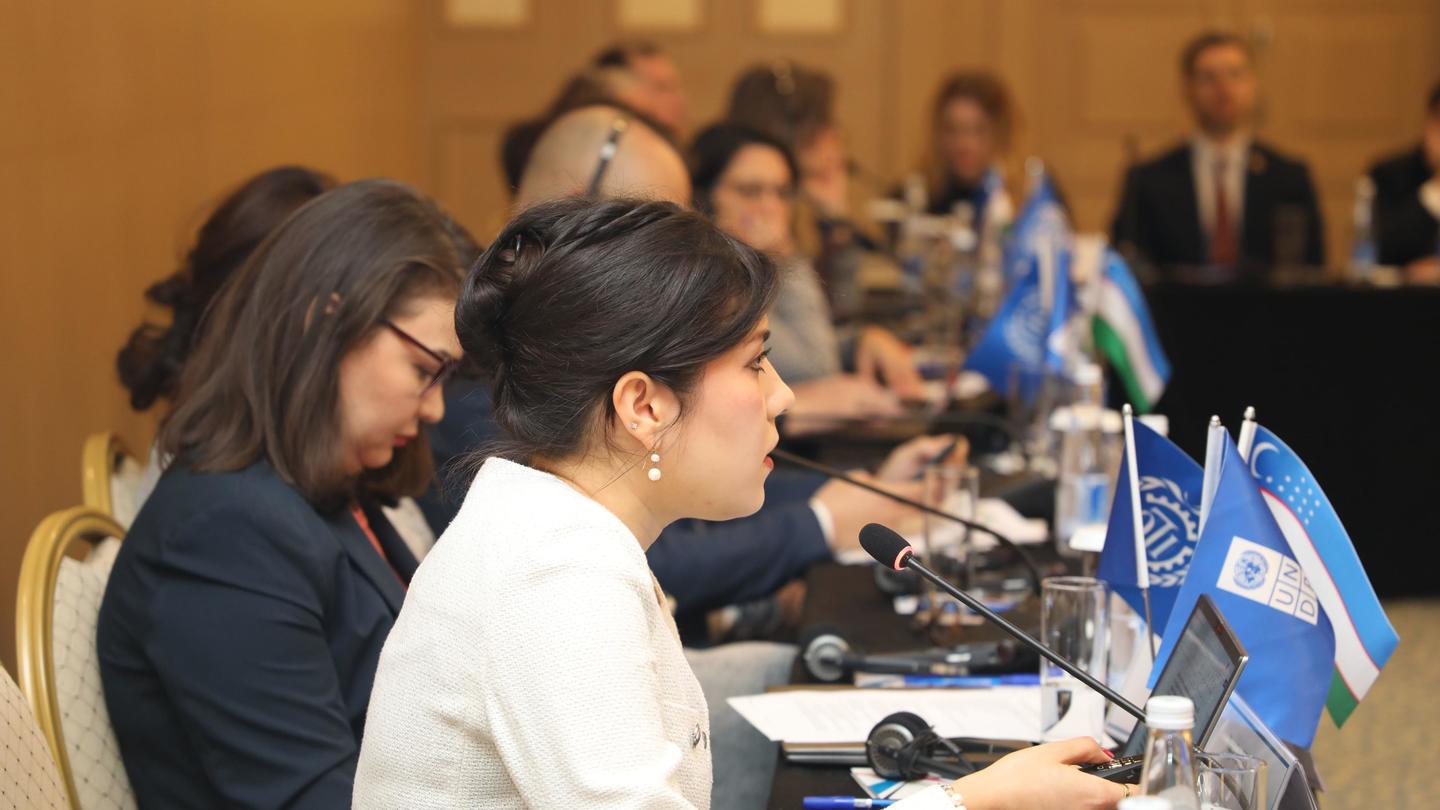


During the event, participants were introduced to findings from the UNDP study “Caring for the Future: Insights from Uzbekistan – A Gender Responsive Analysis of the Care System.” The report highlights structural gaps in care provision and demonstrates how targeted public finance reforms can unlock women’s economic empowerment and strengthen national resilience. The ILO report on domestic work, also launched at the roundtable, examines the legal framework and working conditions of domestic workers in Uzbekistan and outlines measures to strengthen labour protection and extend social protection coverage in line with ILO Convention on Decent Work for Domestic Workers (No.189).
Special attention was given to youth perspectives. Results from consultations and surveys captured young people’s recommendations on financing gender equality and building a stronger, more inclusive care system.
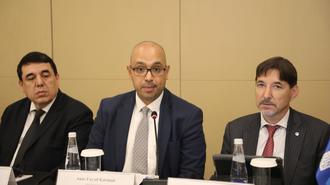
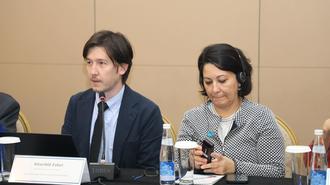
The discussions emphasized that transforming the care economy requires coordinated action among state institutions, social partners, and development organizations. In ILO-moderated panels, a tripartite dialogue was facilitated between government, employers, and workers to translate the findings of the ILO report into integrated care policies that ensure comprehensive labour and social protection for all domestic workers to recognize the value of domestic workers as care workers, reward decent working conditions to domestic workers and represent domestic workers in social dialogue mechanisms. The discussion session organized by UNDP, which brought together CSOs, government representatives, and the private sector for a joint policy dialogue, culminated in the development of a joint Action Plan with policy recommendations and commitments at the national level for strengthening the care economy in Uzbekistan.
By investing in care services and improving working conditions, Uzbekistan can create jobs, reduce inequalities, and ensure that growth benefits everyone.
This joint programme is supported by the Joint SDG Fund. We sincerely appreciate the contributions from the European Union and the governments of Belgium, Denmark, Germany, Ireland, Italy, Luxembourg, Monaco, the Netherlands, Norway, Poland, Portugal, Republic of Korea, Saudi Arabia, Spain, Sweden, and Switzerland in accelerating progress towards the SDGs.