

 Locations
UNDP and Uzbekistan join forces to combat dust storms in the Southern Aral Sea region
May 7, 2025

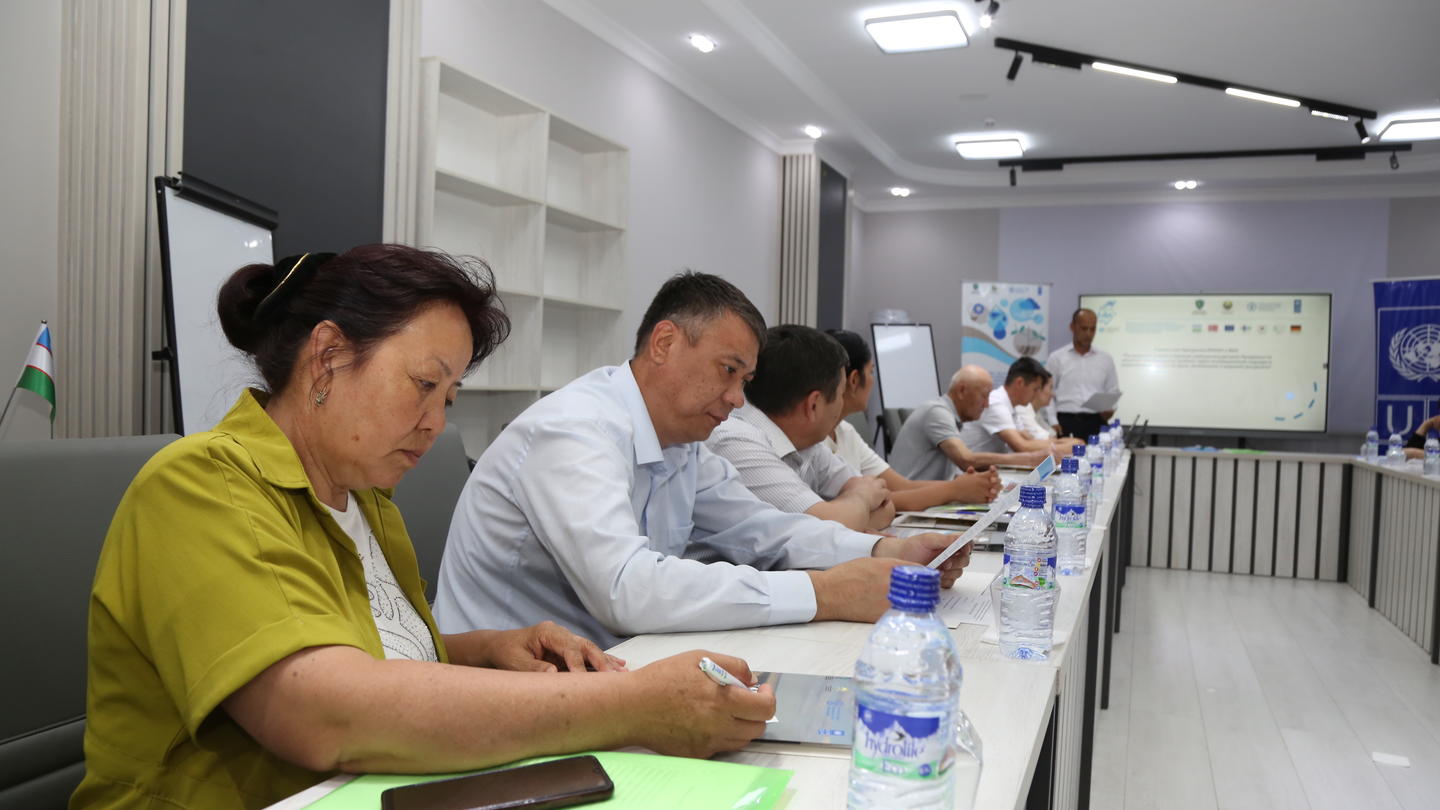
Nukus, 7 May 2025. A large—scale study aimed at combating one of the most acute environmental threats in the region, dust storms, has been completed in the Southern Aral Sea region. The project was implemented within the framework of a Joint programme of the UNDP and FAO "Building knowledge and skills of local partners and communities to address environmental insecurities through innovative air, land, and water management solutions in the Aral Sea region".
The Southern Aral Sea region regularly suffers from increasing dust storms formed under the influence of the Kyzylkum, Karakum, Ustyurt and newly formed Aralkum deserts. These storms carry with them salts and fine particles, threatening public health, agriculture and ecosystems. The issue was highlighted at the 21st session of the United Nations Committee to Combat Desertification (CRIC-21), where Uzbekistan called for better measures to reduce the negative effects of dust storms.
The relevance of the initiative is confirmed by Decree of the President of the Republic of Uzbekistan No. PP-338 dated September 24, 2024, which outlines priority measures to combat dust storms and improve atmospheric air quality.

Scientific models — at the service of nature and society
In the course of the study, two innovative models for analyzing dust migration were developed:
• Long-term Exposure Model (LME): Estimates the concentration of dust in the air over a certain period (for example, a month) and helps identify high-risk areas.
• The Atmospheric Dust Dynamics Model (MDA): tracks long-term changes in the level of dust in the atmosphere and identifies stable trends.

Special attention is paid to the ecosystem role of forest plantations on the drained bottom of the Aral Sea. For the first time, the effectiveness of vegetation cover in reducing salt removal has been calculated — in digital terms (millions of tons per year) — depending on the area and density of plantings. The model was created in the MS Access environment specifically for analyzing data on the Aral Sea.
Practical significance: from science to problem solving
The results obtained open up opportunities for:
- Development of effective environmental protection measures;
- Planning an environmental monitoring system;
- Consideration of atmospheric dust in climate strategies;
- Protection of public health, especially in vulnerable areas of the Aral Sea region.
"This study is a clear example of how modern technologies and a scientific approach can become a tool for sustainable development and environmental protection,"the UNDP representatives noted.



The project highlights the importance of integrating scientific data into the decision-making process and demonstrates how joint efforts by international organizations and the Government of Uzbekistan can contribute to improving the environmental situation in one of the country's most affected regions.


