

 Locations
Young Entrepreneurs of Karakalpakstan Presented Their Projects to Investors
August 22, 2025

Photo: UNDP Uzbekistan
Nukus, Karakalpakstan, August 20-21, 2025 – During the official visit of Ms. Akiko Fujii, UNDP Resident Representative in Uzbekistan, and Mr. Andrin Fink, Head of Cooperation, Deputy Head of Mission of the Embassy of Switzerland to Uzbekistan, young entrepreneurs of Karakalpakstan presented their projects for regional economic transformation.
The visit began with a meeting with the Chairman of the Council of Ministers of the Republic of Karakalpakstan, Mr. Ermanov, where the parties discussed key areas of cooperation in sustainable development, agreeing to expand program interaction. The government side expressed readiness to provide comprehensive support to joint projects aimed at sustainable development of local youth.


Chairman Ermanov noted the high significance of UNDP's program initiatives, which align with state priorities in ecology, water conservation, and job creation for youth and women. Ms. Akiko Fujii emphasized the organization's focus on supporting the young generation through startup initiatives and digital technologies, presenting the results of three vocational training centers in the region. Mr. Andrin Fink, visiting the region for the first time, confirmed the Swiss Agency's commitment to supporting youth initiatives.


One of the key highlights of the visit was the Startup Pitching Demo Day in Urgench and Nukus — flagship events of the Startup Initiatives Programme, implemented under the joint project of the Ministry of Economy and Finance and UNDP “Empowering the Youth to Embrace the Digital Economy and Digital Entrepreneurship”, funded by the Swiss Agency for Development and Cooperation (SDC).
Launched in January 2025, the initiative has covered 12 regions and the Republic of Karakalpakstan, consisting of three interrelated stages:
- Startup Induction Trainings (January–May): Over 326 participants, including 184 young women, gained basic startup knowledge.
- Startup Incubation (since June): 45 startups and 173 participants, among them 42 young women, have been developing their projects through the incubation programme.
- Startup Pitching Demo Days — the final stage, where teams present their ideas and MVPs to investors, government representatives, and international organizations.
Showcasing Ideas and Exploring New Horizons
During the Demo Days, startup teams pitched their projects to a jury composed of local authorities, investors, and startup ecosystem partners.
- In Urgench, 7 teams presented solutions in fintech, EdTech, online services, HR-tech, health-tech, and rental services.
- In Nukus, 9 teams showcased their ideas across AgriTech, EdTech, GreenTech, e-commerce, and social innovation.
As Ms. Akiko Fujii, UNDP Resident Representative in Uzbekistan, highlighted: “Startups are more than businesses—they are problem-solvers and agents of change.”
During the Urgench visit, representatives of UNDP and SDC also met with local authorities, entrepreneurs, and young startup founders. Discussions focused on prospects for developing the innovative ecosystem, regional business support measures, and ways to expand opportunities for youth in the digital economy and entrepreneurship.


Additionally, Ms. Akiko Fujii and Mr. Andrin Fink familiarized themselves with the results of projects implemented jointly with the Government of Japan and UNDP in the Aral Sea region:


The OVOP-Aral Program (One Village One Product - Aral), funded by the Government of Japan, represents an innovative approach to sustainable production and consumption based on efficient resource utilization. This model is particularly relevant for developing countries as it allows creating competitive products based on local resources while minimizing logistics costs. Within the program, with support from UNDP and Japan, a digital institutionalization platform has been created featuring local producers' products from the region, opening opportunities for e-commerce and integration into global supply chains.


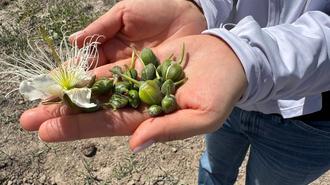
Rawshan Sharafatdinova's initiative for caper production demonstrates how landlocked developing countries can turn climate challenges into competitive advantages through digital solutions and online marketing. "My goal is to show the world that even in the conditions of the Aral Sea region, we can create world-class products. Capers are not just adapted to our conditions — they thrive here better than anywhere else," notes the young entrepreneur. The young scientist applies her academic knowledge to develop innovative cultivation methods specifically adapted to the harsh conditions of the Aral Sea region. Her initiative not only addresses healthy nutrition issues but also creates "green" jobs, demonstrating a model that other regions of the country can replicate.


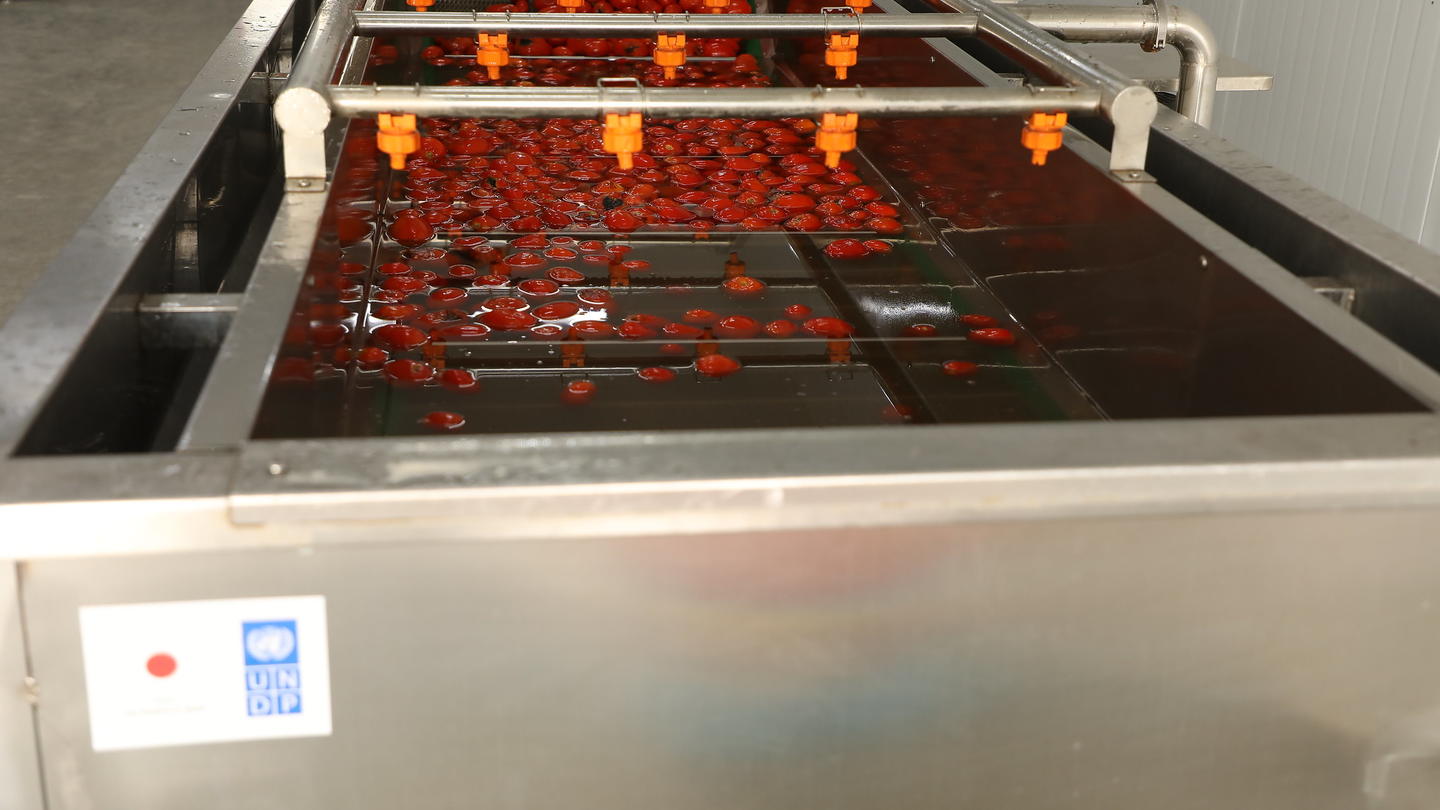


Tomato paste production by "Bravion" LLC under Abdullah Allambergenov's leadership represents a climate-resilient production model in the Aral Sea region. With technical support from the UNDP project funded by the Government of Japan, the enterprise scaled production to 60 tons of finished products monthly, providing more than 55,000 residents of Nukus district with quality products from local raw materials. "Previously, quality tomato paste was supplied from afar with high transportation costs. Now we not only supply the region but also plan to export to neighboring countries," emphasizes young entrepreneur Abdullah Allambergenov.


Smoked products production by "Nukus Balyk" LLC demonstrates the potential of traditional technologies in the modern economy. Kallibek Primbetov scaled the enterprise to a production capacity of 6 tons per month, providing permanent employment for about 25 people. With technical support from Japan and UNDP, the entrepreneur implements a vision where economic activity meets environmental considerations.
"Our goal is to preserve rare fish species listed in the Red Book, such as paddlefish. Together with the Ministry of Ecology, we engage in fish breeding, which we then release into the Amu Darya. This is our mission — to revive endangered species in a region with deep cultural heritage connected to fishing," notes Kallibek. His initiative combines economic development with an ecological mission: job creation, cultural heritage preservation, and regional biodiversity restoration.
The presented initiatives reflect UNDP's holistic approach to developing digital and trade infrastructure, demonstrating how geographical barriers can become competitive advantages through specialization and innovation. From Nukus startup ecosystem to the OVOP-Aral digital platform, from agricultural processing to traditional technologies — each supported enterprise becomes a catalyst for economic growth, generating a multiplier effect and creating a replicable model for all other regions of the country.
The visit emphasized UNDP's comprehensive approach to regional support: from developing digital entrepreneurship among youth to promoting sustainable development and job creation.


