Locations
Uzbekistan Strengthens Public Financial Management Reform through Innovation and International Exchange
August 25, 2026

Photo: UNDP Uzbekistan
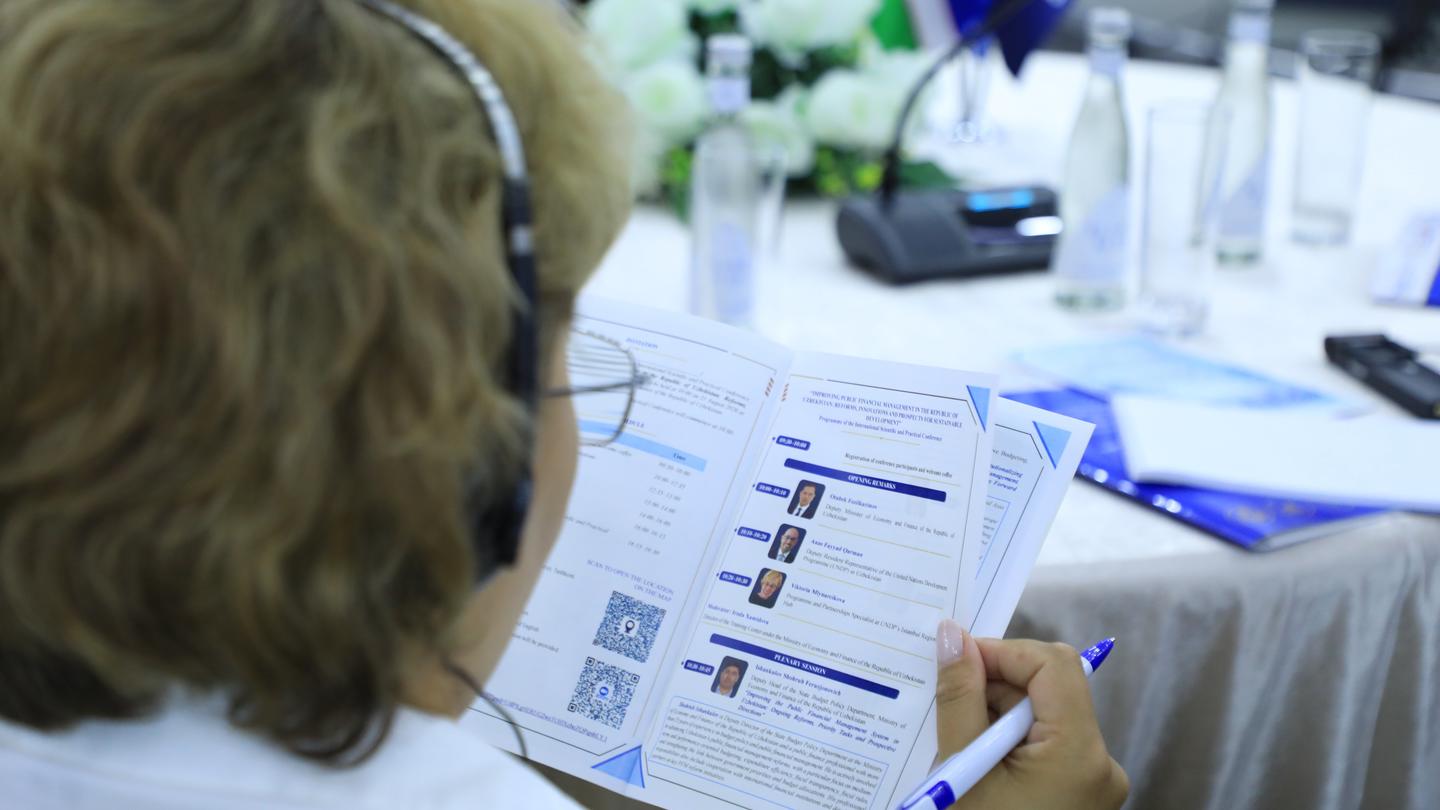
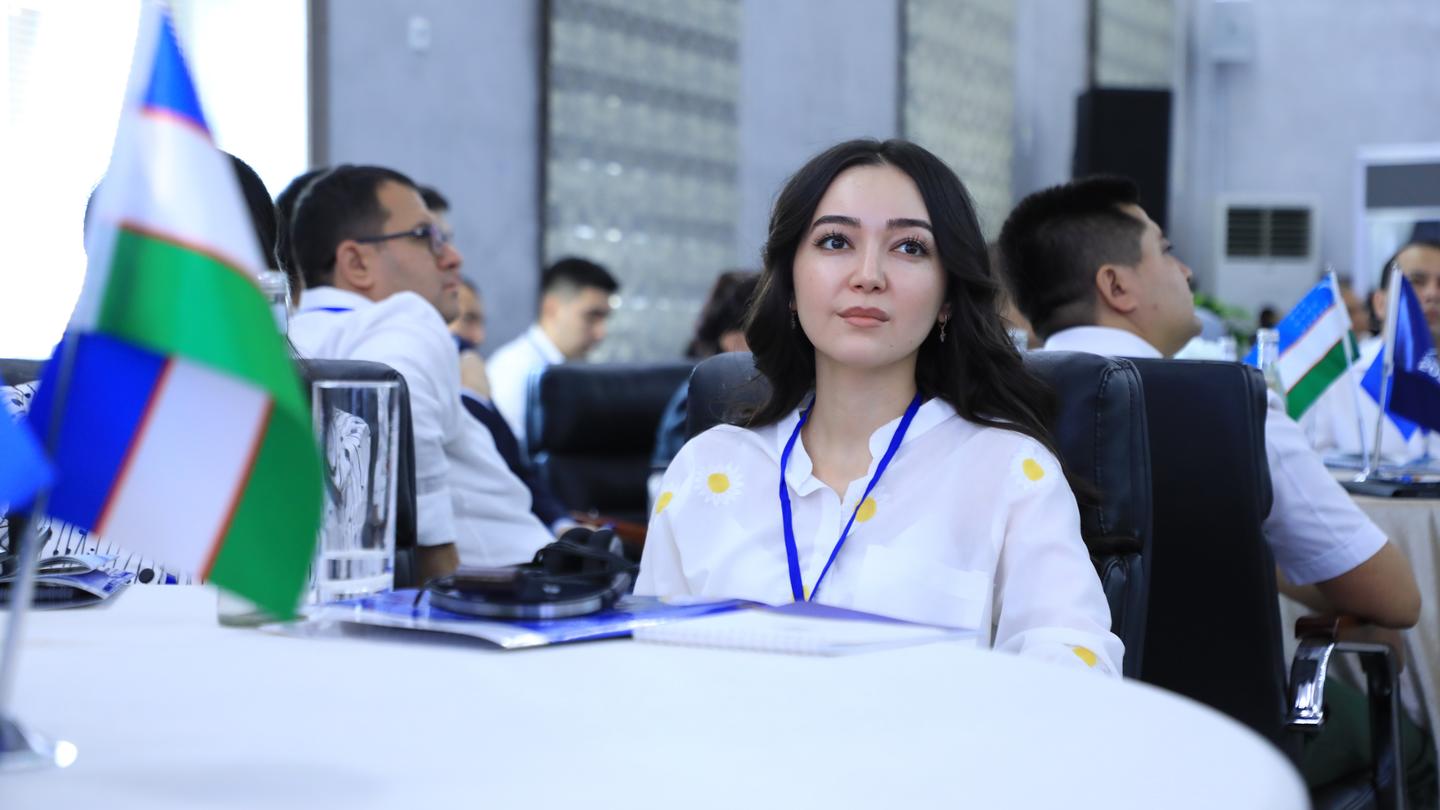
Tashkent, Uzbekistan, 21 August 2026 – The Training Center under the Ministry of Economy and Finance of the Republic of Uzbekistan, in partnership with the United Nations Development Programme (UNDP), organized an international scientific and practical conference titled “Improving Public Financial Management in the Republic of Uzbekistan: Reforms, Innovations and Prospects for Sustainable Development.” The conference brought together representatives of government agencies, international organizations, university professors, and research institutions to discuss ongoing public financial management reforms, share national and international experience, and identify practical approaches to further strengthening the country’s financial management system.
The discussions focused on key areas of public financial management reform, including modern trends, digital transformation and artificial intelligence, green financing, gender-responsive budgeting, public investment management, fiscal risks, as well as internal audit and internal control. The conference also provided a platform for discussing systemic reforms and the integration of sustainable development and green priorities into public financial management.

"When we talk about public finance, we usually picture tables, reports, and large numbers. But the true meaning of public finance lies not in the numbers themselves, but in the changes created in people's lives through them. Every number represents a person: a child stepping into school, a family expecting quality healthcare, a neighborhood in need of clean water and smooth roads, or an entrepreneur creating new jobs. Budget is not merely a table of revenues and expenditures, it is a portfolio of investments directed toward the country's future, expressed in the language of numbers," stated Otabek Fozilkarimov, Deputy Minister of Economy and Finance, highlighting the human-centered approach to public finance reforms.

“Uzbekistan has set ambitious economic, social and environmental goals, and achieving them requires a public financial management system that can translate these priorities into effective budget decisions and investments. The reforms already underway – from medium-term fiscal planning to programme-based, green and SDG budgeting – are important steps towards a more strategic, transparent and efficient use of public resources. UNDP is committed to supporting Uzbekistan in this transformation, bringing international experience and practical solutions to help align public finance with the country’s long-term development priorities,” said Anas Fayyad Qarman, UNDP Deputy Resident Representative in Uzbekistan.
Viktoria Mlynarcikova, Programme and Partnerships Specialist at UNDP’s Istanbul Regional Hub, highlighted Slovakia’s experience in public finance reform and its commitment to sharing lessons learned with Uzbekistan. She also welcomed the progress achieved in Uzbekistan in strengthening the budgeting process, including the introduction of green and climate-related budgeting approaches, and expressed confidence that the cooperation would continue to contribute to further improvements in public financial management.
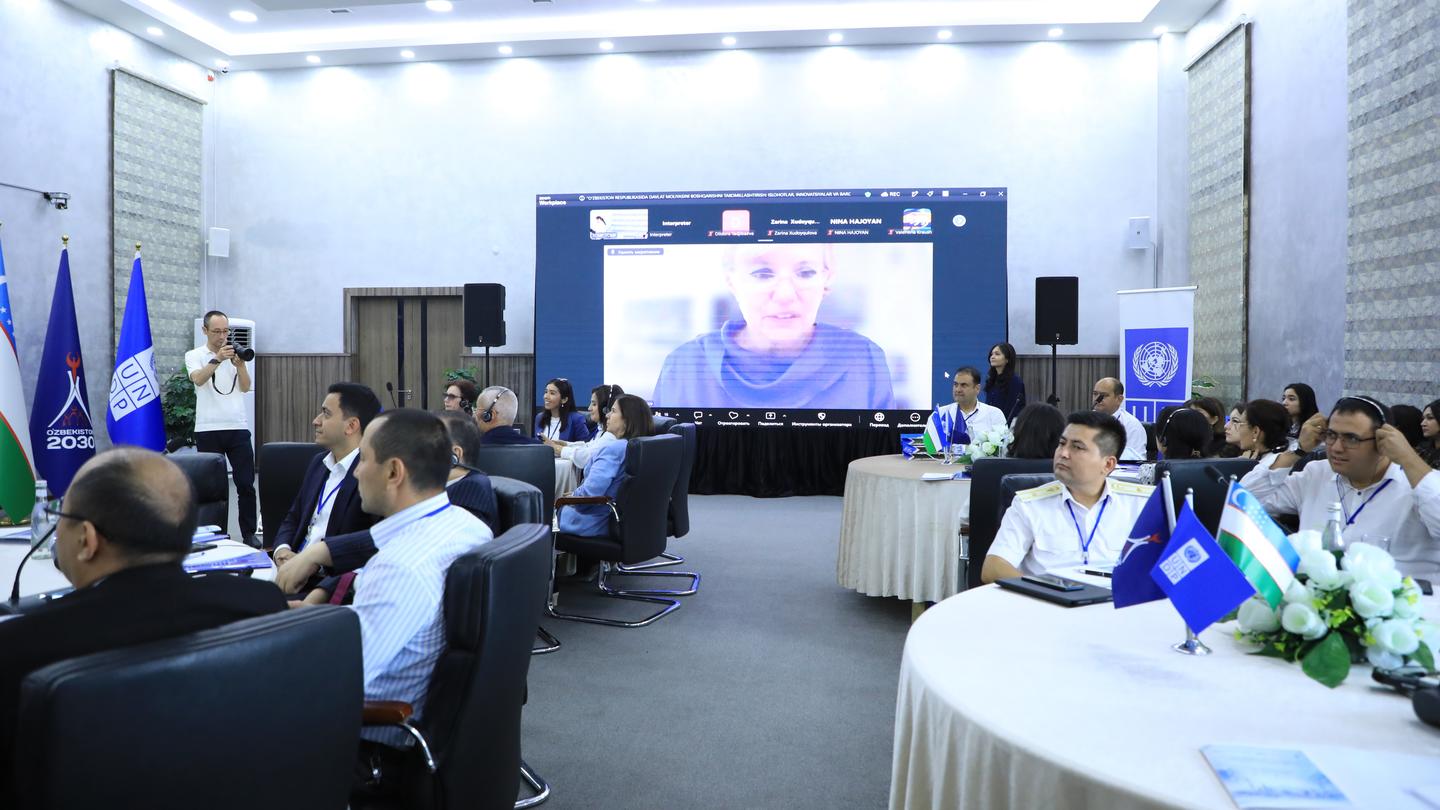
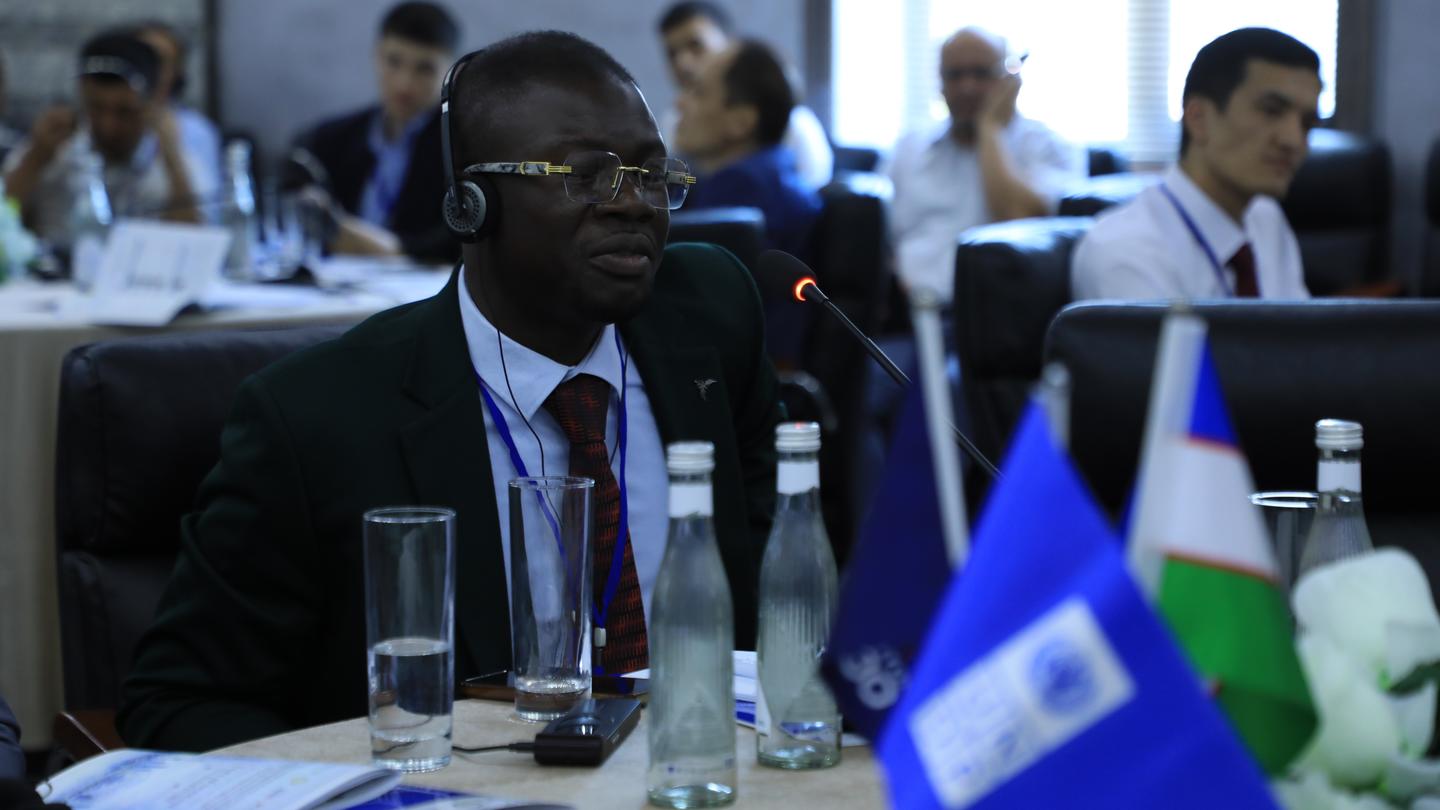
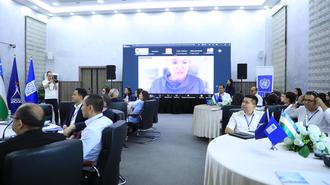
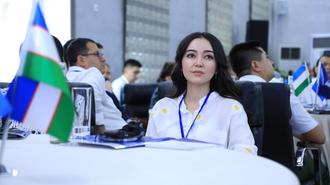
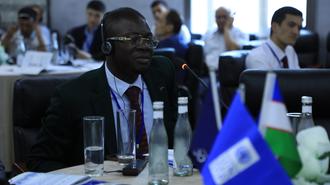
International experts at the conference highlighted the need for countries to take a longer-term approach to public finance, with more focus on planning, efficiency, and the results of public spending. Panelists also discussed the growing role of state-owned enterprises, public-private partnerships, risk management, and AI-based tools in modern public financial management. They emphasized that reforms should be adapted to each country’s needs and experience rather than following a single approach.

UNDP continues to support Uzbekistan in advancing public financial management reforms through the Public Finance for Development project, implemented in partnership with the Ministry of Economy and Finance of the Republic of Uzbekistan, with the support of the Ministry of Finance of the Slovak Republic.