

 Locations
UNDP Uzbekistan Reviews 2021–2025 Results at Country Programme Cycle
April 13, 2026

Tashkent, 8 April 2026 – The 2026 Country Programme Board of UNDP Uzbekistan convened to review the results of the 2021–2025 Country Programme and launch discussions on the new Country Programme Document (CPD) 2026–2030. The session marked the first Board meeting for the upcoming cycle, bringing together partners to assess achievements, review performance, and align future priorities with Uzbekistan’s Development Strategy 2030.
Uzbekistan’s progress in human development, including improvements in life expectancy and poverty reduction has been remarkable. The meeting highlighted UNDP’s contributions to the country’s governance and economic reforms and green transitions. UNDP’s interventions also supported 327 mahallas, improving livelihoods for approximately 1.5 million people in rural areas and supported climate resilience in the Aral Sea Region.

Key highlights from the 2021–2025 programme results:
- Strong programme performance: Over USD 115 million programmed against a planned USD 105 million. The programme was assessed as on track.
- Governance and rule of law: 20 million people benefited from digital transformation of public service delivery, accelerated anti-corruption reforms, over 31,000 vulnerable people received legal aid, over 3,000 youths benefited from preventing violent extremism (PVE) initiatives.
- Multidimensional poverty reduction, Inclusive economic growth, SDG Financing: Development of the Integrated National Financing Framework, issuance of the first SDG bond in the CIS region, and implementation of a Multidimensional Poverty Index pilot covering 6,000 households. Support to over 10,000 beneficiaries, including women and youth, and accelerated creation of approximately 500 jobs annually.
- Climate and environment: 6.5 million people benefited from early warning systems, over 15,000 vulnerable people accessed basic services and drinking water in the Aral Sea region, 1.4m daily users served by green transport corridor, contributed to the green economy framework and agricultural innovations, NDC 3.0, energy efficiency measures, national adaptation plans across five sectors, biodiversity conservation, and establishment of nine protected areas.
- Cross-cutting results: Mainstreaming of gender equality, targeted support to vulnerable groups in rural communities working with local governments, mahallas and civil society organizations.
The Board also reviewed programme risks and mitigation measures, as well as findings from the Independent Country Programme Evaluation, which confirmed strong alignment with national priorities while identifying areas for further improvement, including system integration, governance constraints, and civil society engagement.
Building on these insights, UNDP presented the new CPD 2026–2030, anchored in systems thinking and a shift from project-based interventions to a portfolio-based, integrated approach. The proposed programme will focus on four pillars: strong and just institutions, inclusive growth, health resilience, and green transition.
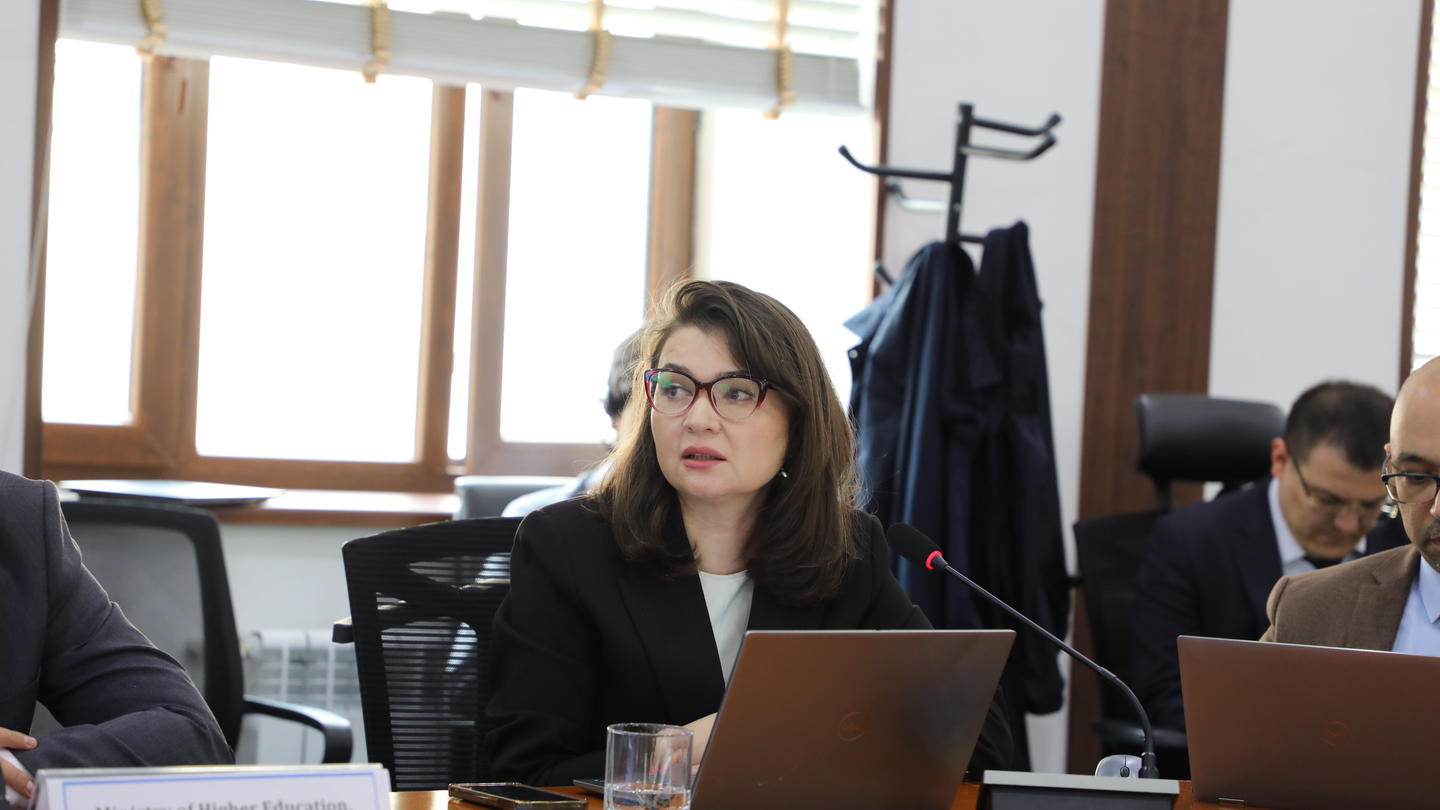


Board members reviewed the proposed results framework updates and 2026 workplan priorities across all pillars, emphasizing alignment with national priorities, improved data availability, and the importance of innovation, including digitalization and AI integration. The Board agreed on the strategic direction for the upcoming cycle and renewed its commitment to delivering joint results.
Resources:


