

 Locations
With the EU Support, a More Resilient and Secure Future for Flood-Affected Farmers
July 16, 2026

On the eve of 3 October 2024, Tihomir and Jela Bekavac from Konjic were busy making homemade fruit juices and jams. Around 9 p.m., it started to rain. At that moment, nothing suggested the disaster that would soon strike their village of Seonica, located on the northern shore of Lake Jablanica.
"Around two in the morning, we were awakened by a deafening roar. It was like the apocalypse. There was lightning everywhere. The rain was pouring. The water was raging," recalls 67-year-old Tihomir.
Following the heavy rainfall that night, the usually calm Seončica creek, which flows through the village, turned into a torrent. The force of the flood destroyed roads, bridges, and homes, sweeping everything in its path.
"The water washed away three metres of land in front of our house and part of our orchard. I thought my house would collapse. I had invested everything I had into it," Tihomir says. In the days that followed, Tihomir and Jela had to come to terms with the aftermath of the disaster.
"There was no mobile phone signal. There was no electricity. For fifteen days, we couldn't leave the village."
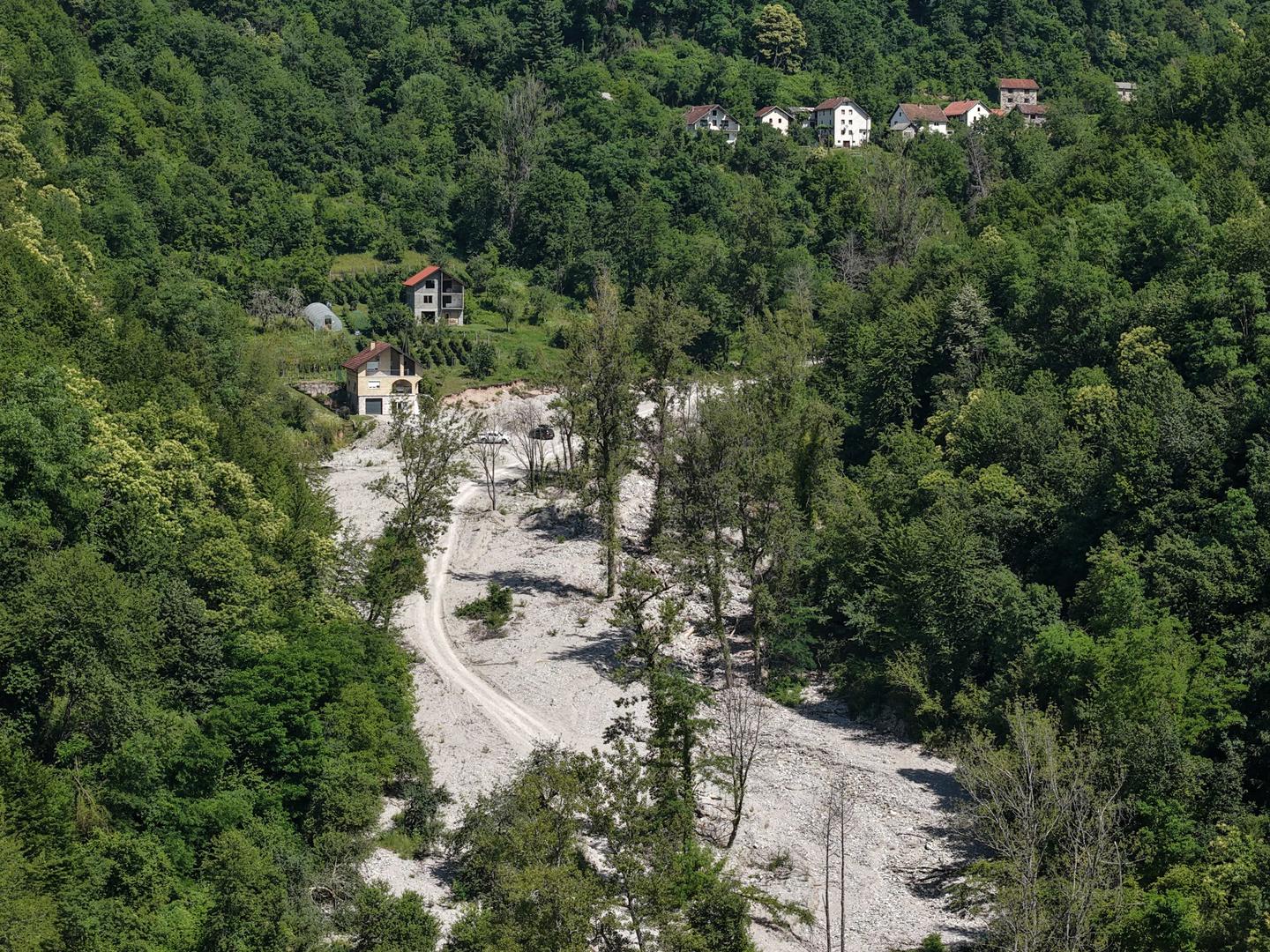
Seonica today
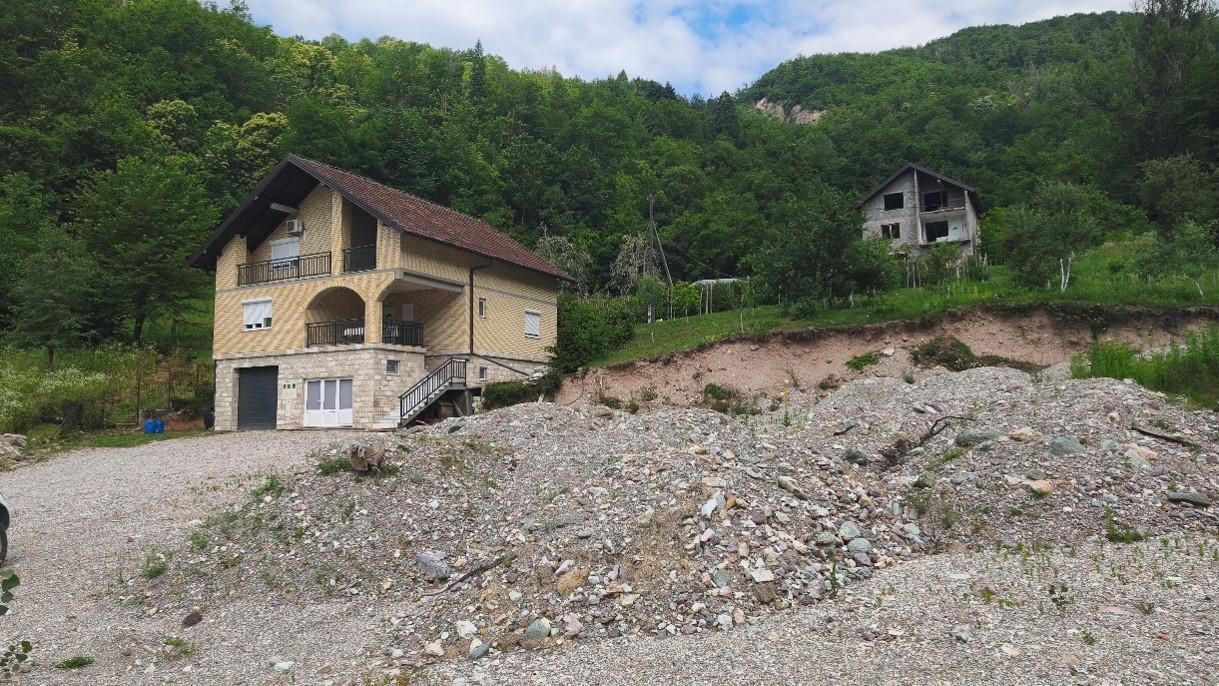
House of Tihomir and Jela Bekavac
To help agricultural producers like Tihomir and Jela recover from the devastating floods that struck Bosnia and Herzegovina in October 2024, and to strengthen their resilience to future disasters, tailored support packages were developed under the EU project to support floods recovery in Bosnia and Herzegovina. Each package was designed to meet the specific needs of individual beneficiaries.
The support packages included greenhouses, agricultural inputs, beekeeping equipment, and small-scale farming machinery, depending on the needs of each household. Tihomir and Jela Bekavac chose a package that included a 50 m² greenhouse equipped with an irrigation system.
"The greenhouse has made a huge difference for us. This year, the winter was harsh and long, with heavy rainfall, so we couldn't plant anything outdoors. Thanks to the greenhouse, we were able to grow early onions and lettuce, followed by cucumbers and tomatoes," says 66-year-old Jela.
As the impacts of climate change become increasingly evident, greenhouses help extend the growing season for fruit and vegetables while protecting crops from adverse weather conditions. This allows families to produce some of the food they previously had to buy, resulting in significant savings.
"It means a lot to us that we can grow the basics ourselves - things like lettuce and tomatoes - so we don't have to buy them," adds Tihomir.
In addition to material assistance, the project also provided farmers with advisory support to help them improve production and strengthen their resilience to climate change. This was particularly valuable for the Bekavac family, as it was the first time they had owned a greenhouse. As they explain, greenhouses had been rare in their area because abundant sunshine and the mild climate had traditionally made it possible to grow crops outdoors for most of the year.
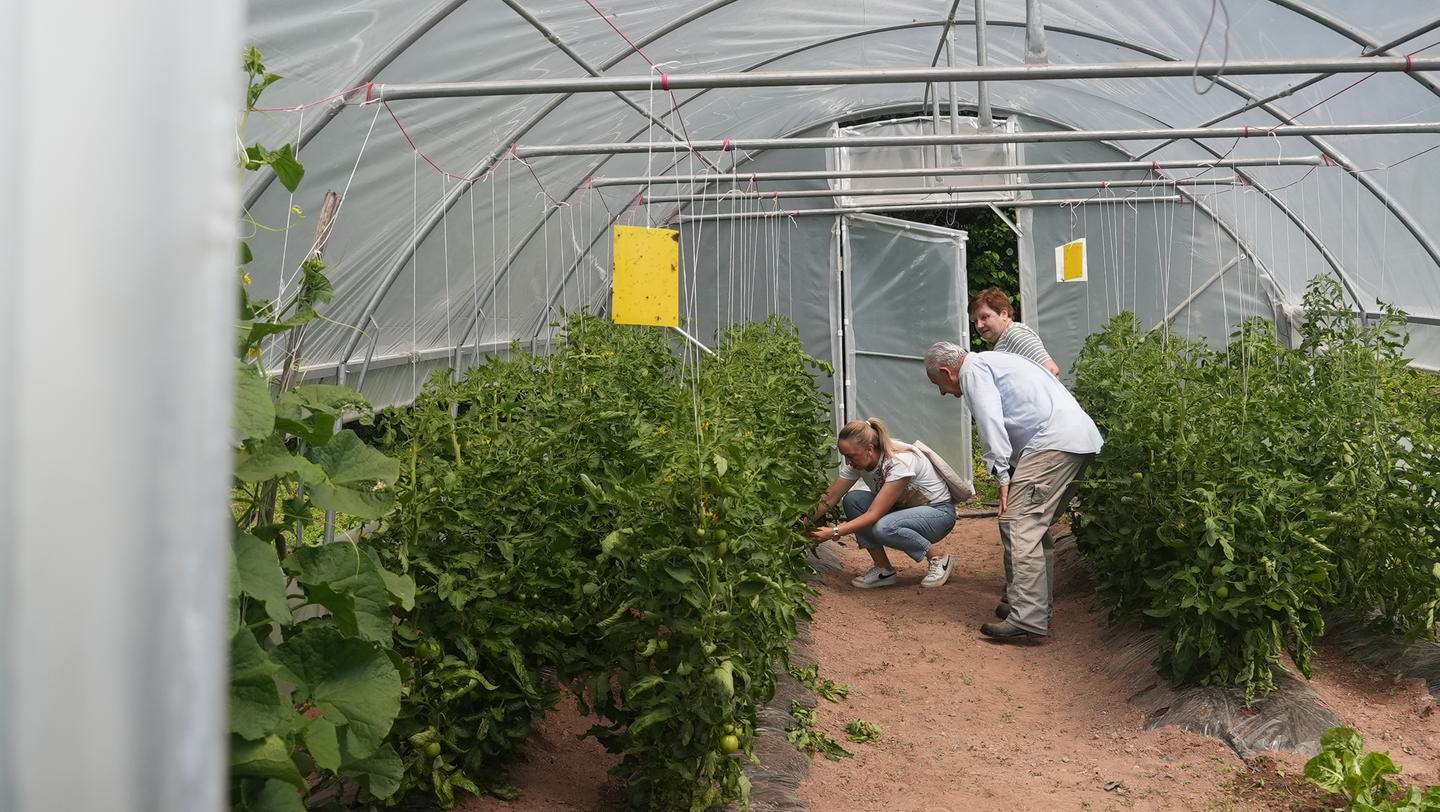
An agronomist engaged through the project advises Tihomir and Jela on greenhouse cultivation
"We haven't had much experience with greenhouses here," says Tihomir. "It took us some time to learn, but next year it will be easier, and we'll do even better."
The agronomist engaged through the project visits the family regularly, introducing them to new cultivation practices and providing technical guidance.
"The agronomist comes by regularly and advises us. We're learning a bit from the internet, a bit from the agronomist, and a bit from people who already have greenhouses," Tihomir says.
Their efforts are already paying off. The greenhouse is full of vegetables, and Tihomir and Jela are full of plans for the future.
Although the floods changed their lives, they are now building a more resilient and secure future.
The Bekavac family is one of 279 households from Drvar, Fojnica, Jablanica, Kiseljak, Konjic, Kreševo, Mostar, and Vareš that have received support through the EU-funded project to recover from the floods and strengthen their economic resilience.
In addition to supporting agricultural producers, the project includes the rehabilitation and construction of housing, the restoration of public institutions and local municipal infrastructure, and assistance to small and medium-sized enterprises in rebuilding their businesses.
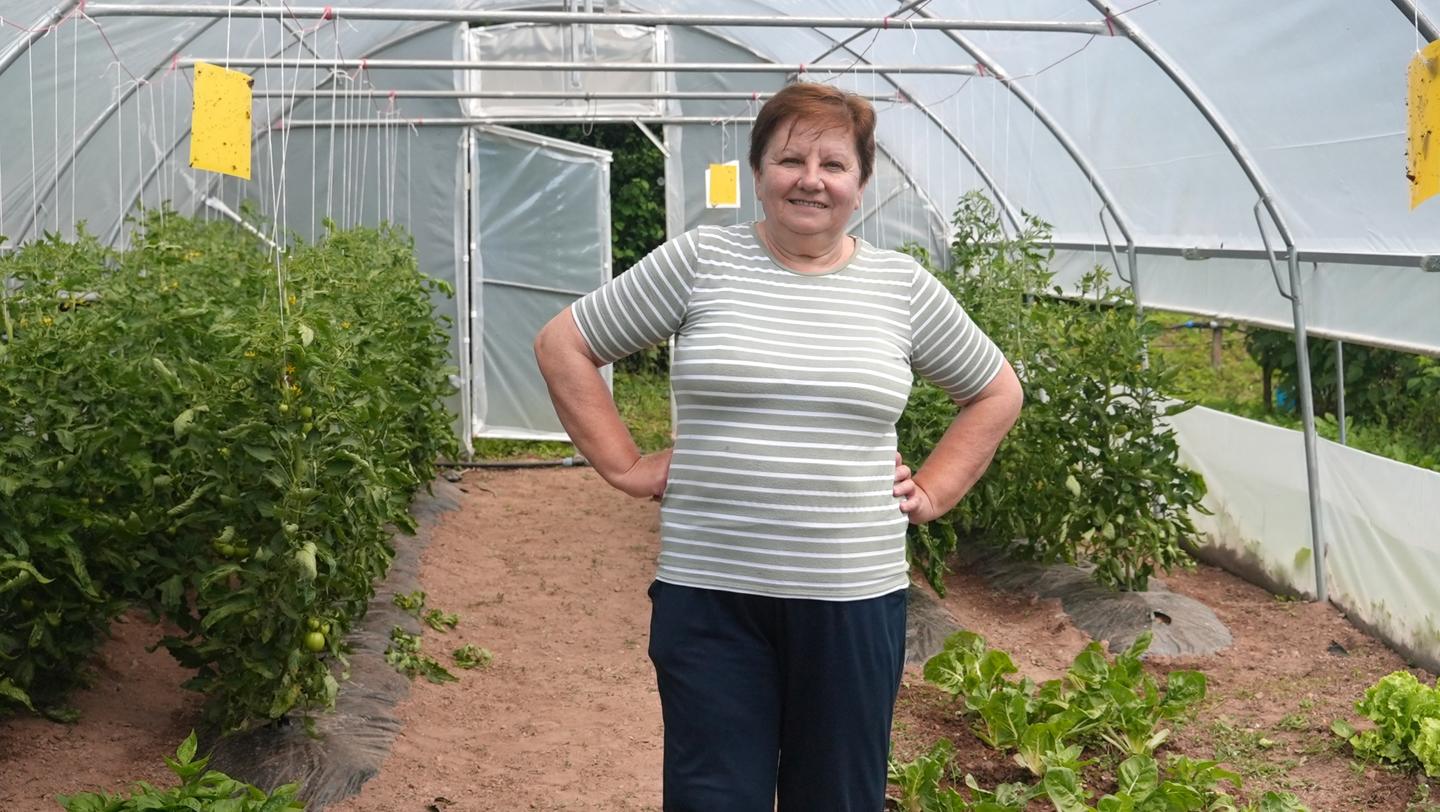
Jela Bekavac
EU support to floods recovery in Bosnia and Herzegovina project, worth EUR 20 million, is funded by the European Union and implemented by the United Nations Development Programme (UNDP) and the International Organization for Migration (IOM).
The project is designed to respond to the needs of the population in communities directly affected by the natural disaster in October 2024, with a special focus on socially and economically vulnerable populations, multi-member households, the unemployed, people with disabilities and other marginalized groups.
Related
content
content


