Locations
UNDP and Government of Uzbekistan Strengthen National Capacity to Operationalize Article 6.2 and the Joint Crediting Mechanism
March 4, 2026

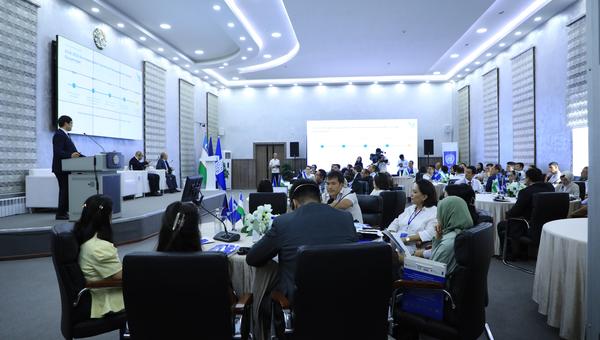
Tashkent, 4 March 2026 – The United Nations Development Programme (UNDP), in partnership with the Ministry of Economy and Finance of the Republic of Uzbekistan, convened a high-level technical training to advance the country’s readiness to operationalize Article 6.2 of the Paris Agreement and implement the Joint Crediting Mechanism (JCM).
The hybrid event brought together representatives of key ministries, national agencies, state-owned enterprises, private sector actors and international experts. The training forms part of the joint UNDP–Government initiative titled “Promoting Innovative Decarbonization Solutions through Support to the Implementation of the Joint Crediting Mechanism and Demonstration of Decarbonization Potential in Public Buildings and Public Transport in Uzbekistan,” financed by the Government of Japan.
Opening the event, Mr. Temur Malik Narzikulov, Director of the Center for Green Economy Projects under the Ministry of Economy and Finance, emphasized Uzbekistan’s commitment to accelerating low-carbon development and strengthening institutional readiness for emerging international carbon market mechanisms. Mr. Isomiddin Akramov, Specialist from Climate Cluster at UNDP, highlighted the strategic importance of Article 6.2 cooperative approaches for mobilizing climate finance and enabling technology transfer.
Strengthening Institutional and Technical Foundations
The training provided in-depth guidance on:
- The international framework of Article 6 under the Paris Agreement;
- Cooperative approaches and Internationally Transferred Mitigation Outcomes (ITMOs);
- Corresponding adjustments and accounting principles;
- National authorization procedures and oversight mechanisms;
- Monitoring, Reporting and Verification (MRV) systems;
- Project cycle management and ITMO tracking;
- Governance and operational modalities of the JCM.


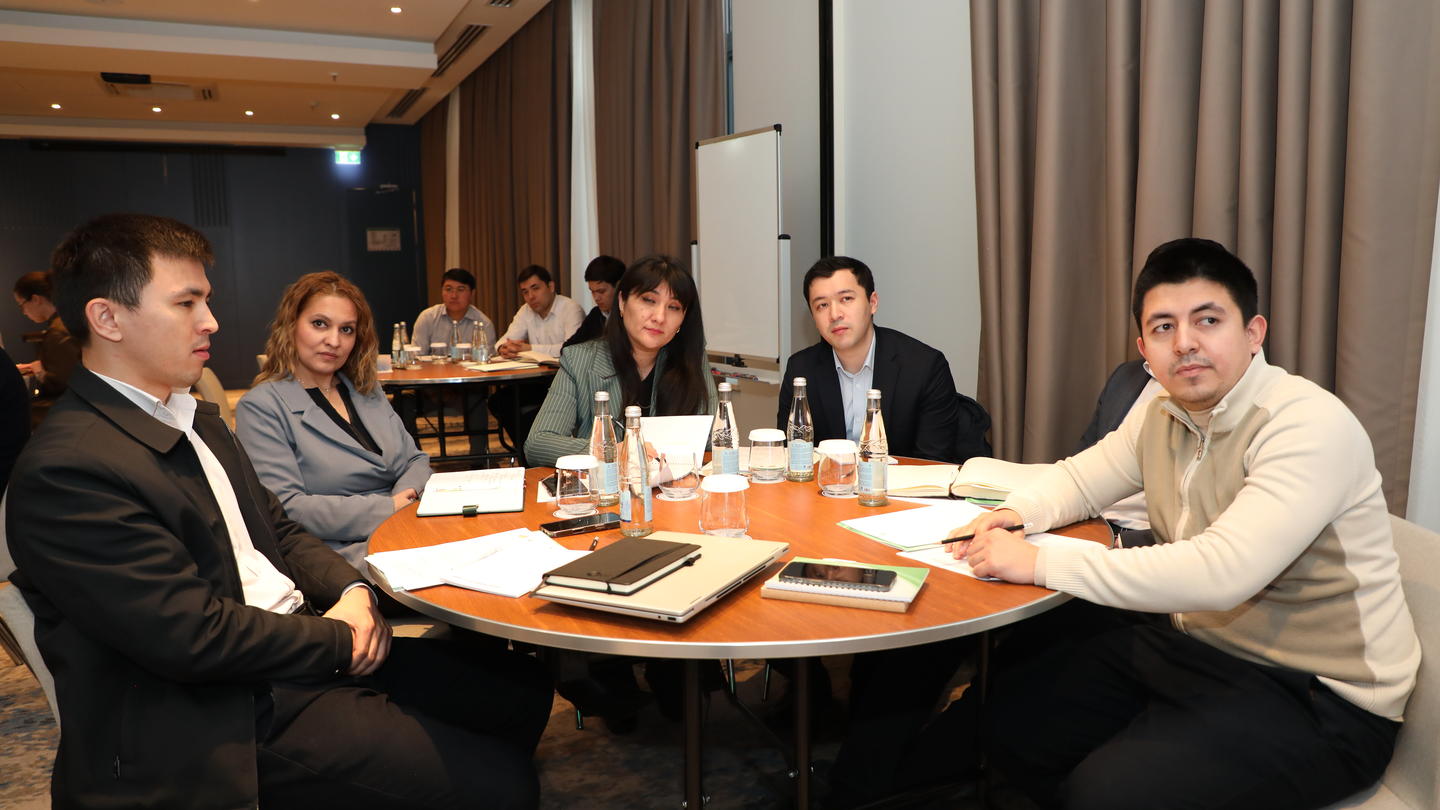


International experts from the Institute for Global Environmental Strategies (IGES), including Mr. Kazuhisa Koakutsu, Director of the Article 6 Implementation Partnership (A6IP), and Mr. Rabhi Abdisaleem, Programme Manager, shared global best practices and lessons learned from countries already implementing the JCM.
Interactive sessions enabled participants to assess Uzbekistan’s institutional readiness, identify priority sectors—such as renewable energy, energy efficiency and industry—and draft a preliminary action matrix outlining immediate next steps for implementation.
Advancing Climate Action and Market Readiness
By the end of the training, participants developed a shared understanding of the regulatory architecture required for Article 6.2 implementation, clarified institutional roles and responsibilities, and strengthened knowledge of authorization, safeguards and compliance procedures.
The event marks a significant step toward positioning Uzbekistan to effectively participate in international carbon markets while safeguarding environmental integrity and ensuring that cooperative approaches contribute to national sustainable development goals.
Through continued collaboration with national partners and support from the Government of Japan, UNDP reaffirms its commitment to supporting Uzbekistan in unlocking innovative climate finance, accelerating decarbonization, and advancing its transition toward a green and resilient economy.
***
“Promoting innovative decarbonization solutions” project helps reduce energy use in public buildings and supports Uzbekistan’s wider climate and decarbonization goals. This project is funded by the Government of Japan as part of UNDP’s Climate Promise. Since 2021, Japan has contributed more than USD 77 million to the Climate Promise, enabling UNDP to advance climate action and resilience in 28 countries and territories, including Uzbekistan.