Locations
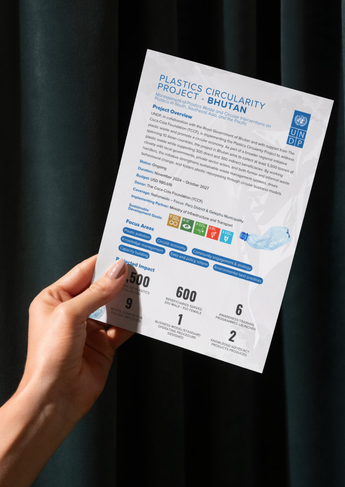
Plastics Circularity Project
Management of Plastics Waste and Circular Interventions on Plastics in South, Southeast Asia, and the Pacific
| Status: | Ongoing |
| Duration: | November 2024 - October 2027 |
| Budget: | USD 980,619 |
| Donor: | The Coca Cola Foundation (TCCF) |
| Partners: | Ministry of Infrastructure and Transport |
| Focus Area: | Circular Economy, Plastic Pollution, Community Engagement and Strategy, Comprehensive Data and Policy Reforms, Environmental Best Practices, Capacity Building, Knowledge Management |
| Sustainable Development Goals: | SDG 12, SDG 13, SDG 3, SDG 5, SDG 6 |
| See more information about the project on the transparency portal. | |
About the Project
The Management of Plastic Waste and Circular Interventions on Plastics in South, Southeast Asia, and the Pacific is a three-year multi-country initiative supported by TCCF. It aims to strengthen plastic waste management systems and make the sector more inclusive and sustainable across ten countries: Bangladesh, Bhutan, Cambodia, India, Indonesia, the Maldives, Nepal, the Philippines, Sri Lanka, and Viet Nam.
In Bhutan, the initiative aims to collect at least 5,500 tonnes of plastic waste and support 300 direct and 300 indirect beneficiaries during its implementation period. Beyond waste reduction, the project plays a pivotal role in fostering a sustainable environment, encouraging behavioural change, and promoting proper segregation.
By engaging formal and informal waste handlers, private sector actors, and local governments, the project seeks to co-develop circular business models that repurpose plastic waste and reduce its environmental footprint. The project directly contributes to UNSDCF Outcome 3—ensuring Bhutan’s environment remains sustainably managed, and its people become more resilient to disaster risks and climate change—and aligns with CDP Outcome 2, reinforcing national efforts towards inclusive and sustainable development.
Project Objectives
Output 1 – Stakeholder Engagement and Strategy Development
Enhance sustainable waste management through targeted stakeholder engagement, participatory strategy development, and awareness programmes aimed at driving behavioural change.
Output 2 – Adoption of Best Environmental Practices (BEP) and Best Available Technologies (BAT)
Promote and implement BEP and BAT to reduce plastic waste, support circular economy principles, and improve overall environmental performance.
Output 3 – Strengthening National and Infrastructure Capacities
Build and enhance national and local infrastructure capacities for effective waste management, supported by updated and comprehensive waste inventory data.
Output 4 – Information Outreach and Knowledge Management
Improve knowledge management systems and information outreach to facilitate evidence-based decision-making, wider dissemination of best practices, and increased public participation.
Targeted Impact
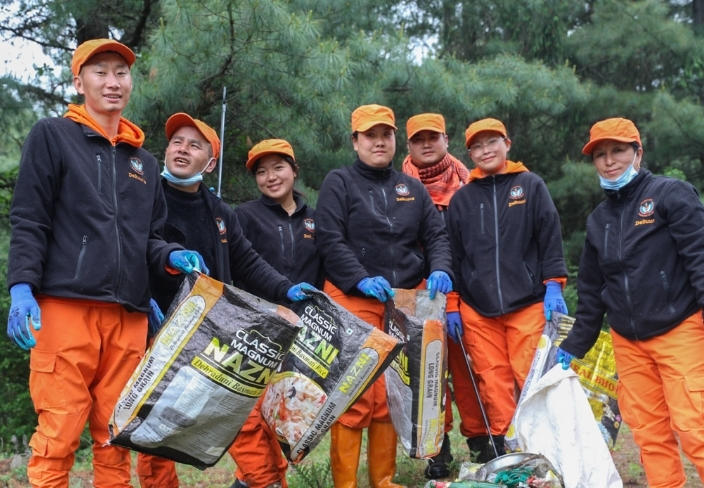
Impact Stories
Publications