

 Locations
Strengthening Water Security and Community Resilience in the Cuvelai–Kunene Basin
December 16, 2025

Traditional well at Omboloka Village


The United Nations Development Programme (UNDP), in partnership with the Governments of Namibia and Angola, continues to strengthen water security and resilience across the Cuvelai–Kunene Transboundary River Basins through the Enhanced Water Security and Community Resilience Project (CUVKUN), funded by the Global Environment Facility (GEF).

CUVKUN profile data.
Strengthening Transboundary Cooperation for Sustainable Water Management

Map showing Kunene Basin in blue and Cuvelai Basin in yellow across Angola and Namibia.
From 8–18 November 2025, UNDP Namibia led a mission to visit and assess 13 demonstration sites, eight in Namibia and five in Angola. The mission, conducted under UNDP’s annual quality assurance and monitoring plan, assessed progress on the implementation of project outputs and gathered lessons to inform the 2026 implementation cycle. The CUVKUN Project, valued at USD 11.17 million, supports transboundary collaboration between Angola and Namibia to improve knowledge, planning, and management of shared water resources, build climate resilience, and promote sustainable livelihoods. Implemented through the Global Water Partnership Southern Africa (GWPSA), the Cuvelai Watercourse Commission (CUVECOM), and the Permanent Joint Technical Commission (PJTC), the project embodies regional cooperation for climate-resilient development.
Empowering Communities Through Water Access and Local Leadership
Across several villages in northern Namibia including Onamatende, Okanyanona, Omboloka, Oluwaya, Shanalumono, Shapoko (Ouholondema), Ombundamuti and Olupumbu recent field visits highlighted a powerful message: communities are ready and willing to take charge of their water resources.
In every location, residents expressed a strong sense of responsibility for managing their local water systems and protecting the investments made through development projects. A key step in this journey will be the establishment and training of Water Point Committees. These community-led groups will play a central role in overseeing water infrastructure, promoting transparency, and ensuring that everyone follows agreed rules. By strengthening local governance, the committees will help turn water access into a shared responsibility rather than an external service.
Inclusion Builds Ownership
In villages such as Onamatende, young people were actively involved in discussions on water management and how improved water access can support agricultural diversification. Community members consistently emphasized how important it is to be consulted and included in decision-making from the start. This inclusive, participatory approach, a core part of UNDP’s way of working, helps build trust, encourages local leadership, and ensures that solutions respond to real community needs. When people feel heard, they are more likely to protect and sustain the systems put in place.
Rehabilitating Infrastructure, Strengthening Livelihoods
Alongside stronger governance, tangible improvements to water infrastructure are underway. Across the sites, efforts will focus on rehabilitating and upgrading facilities such as fenced earth ponds, solar-powered pumping systems, animal drinking troughs, and water storage tanks. These upgrades will improve access to safe and reliable water for households, livestock, and small-scale farming.
Better water access means healthier animals, more productive gardens, and greater resilience for rural livelihoods, especially in a climate-stressed environment.
Together, community leadership, inclusive planning, and practical infrastructure investments are helping turn water access into a foundation for sustainable development, local empowerment, and long-term wellbeing in rural Namibia.

Traditional made well at Okanyanona
Recurrent droughts, high evaporation, and groundwater depletion continue to challenge communities like Omboloka and Oluwaya, where traditionally made wells are ageing and increasingly non-functional. In response, the project is supporting the introduction of climate-resilient technologies such as rainwater harvesting systems and backup extraction mechanisms to sustain water availability during dry periods.
Promoting Early Warning Systems and Indigenous Knowledge

Water-level monitoring in Shanalumono.
In flood-prone areas like Shanalumono and Evale, the mission identified opportunities to enhance the Flood Early Warning System (EWS). Communities are receiving information through radio and local committees, but gaps in coordination and standardization persist. Strengthening real-time water-level monitoring, revitalizing hydro-metric stations, and documenting indigenous flood prediction knowledge were among the key recommendations
UNDP and partners are also working with traditional leaders to ensure that local wisdom is preserved and integrated into modern disaster preparedness systems, bridging scientific data with traditional forecasting to reduce risk and enhance resilience.
Looking Ahead: Sustaining the Gains
The mission reaffirmed that communities across the Cuvelai–Kunene Basin are not only beneficiaries but also co-managers of change. Their ownership, coupled with institutional support from local governments and transboundary bodies, is driving meaningful progress toward Outcome 3 of the UN Sustainable Development Cooperation Framework (UNSDCF) building resilience of vulnerable populations to biodiversity, ecosystem, and disaster risks.
As the project enters its next implementation phase, focus will remain on:
Strengthening technical and operational capacity in Angola and Namibia;
Expanding water governance training;
Enhancing climate-adaptive livelihood options; and
Ensuring long-term sustainability through inclusive participation.
Voices from the Field
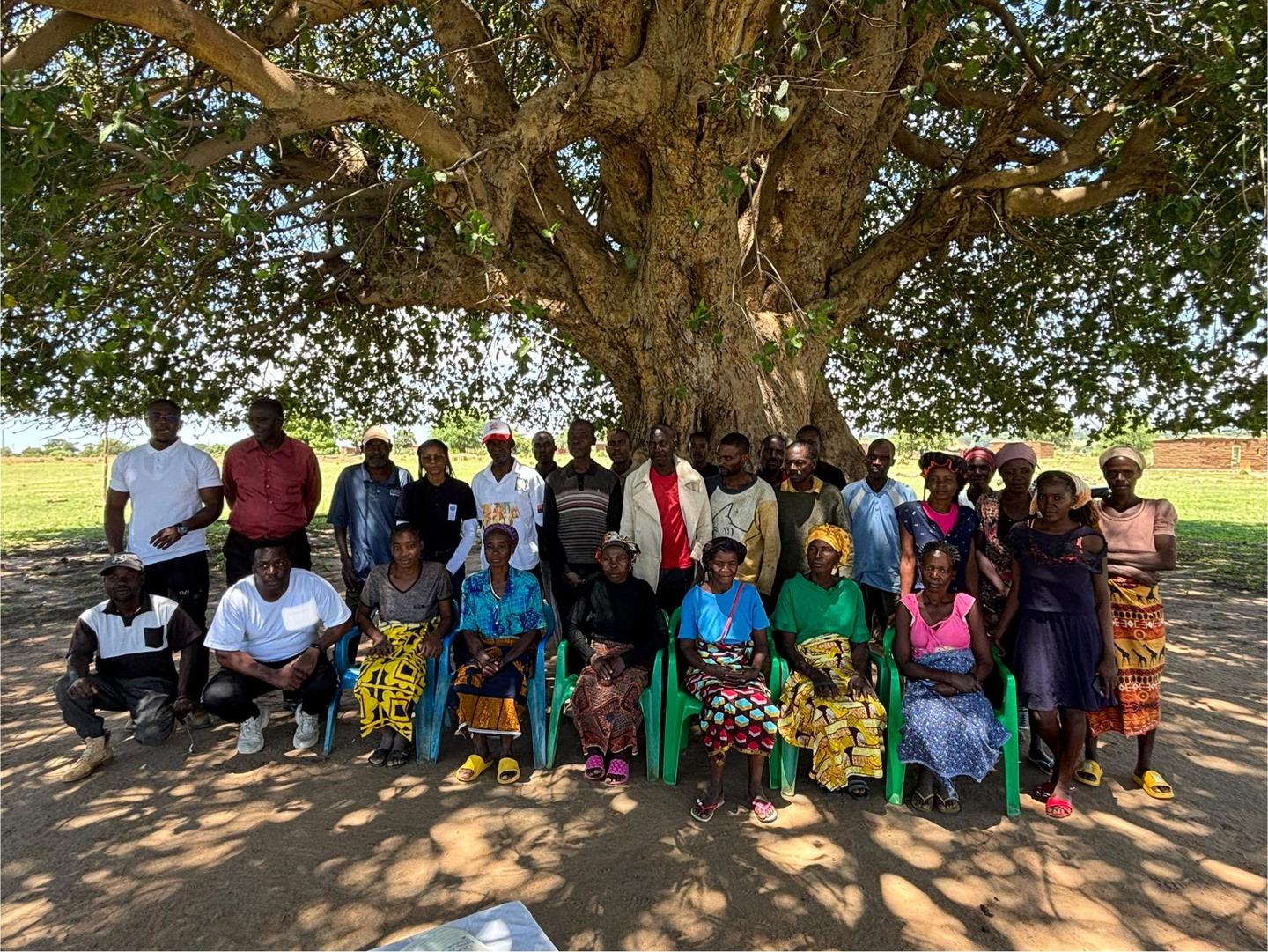
CUVKUN Project consultation meeting with community members of Onamatende Village.
“We are happy the community was consulted first,” shared a participant from Onamatende Village. “This makes us feel part of the process and encourages us to take care of the infrastructure.”
The CUVKUN Project shows how countries and communities can work together to tackle climate change and water challenges. By bringing together modern technical solutions, local and indigenous knowledge, and inclusive decision-making, the project puts communities at the centre of water management. Through this partnership, UNDP and its partners are helping the Cuvelai–Kunene Basin move towards a future that is more resilient to climate change and better equipped to manage water in a way that benefits people across Southern Africa.
Related
content
content


