

 Locations
Kyrgyz Students’ Journey from Idea to International Recognition
January 27, 2026

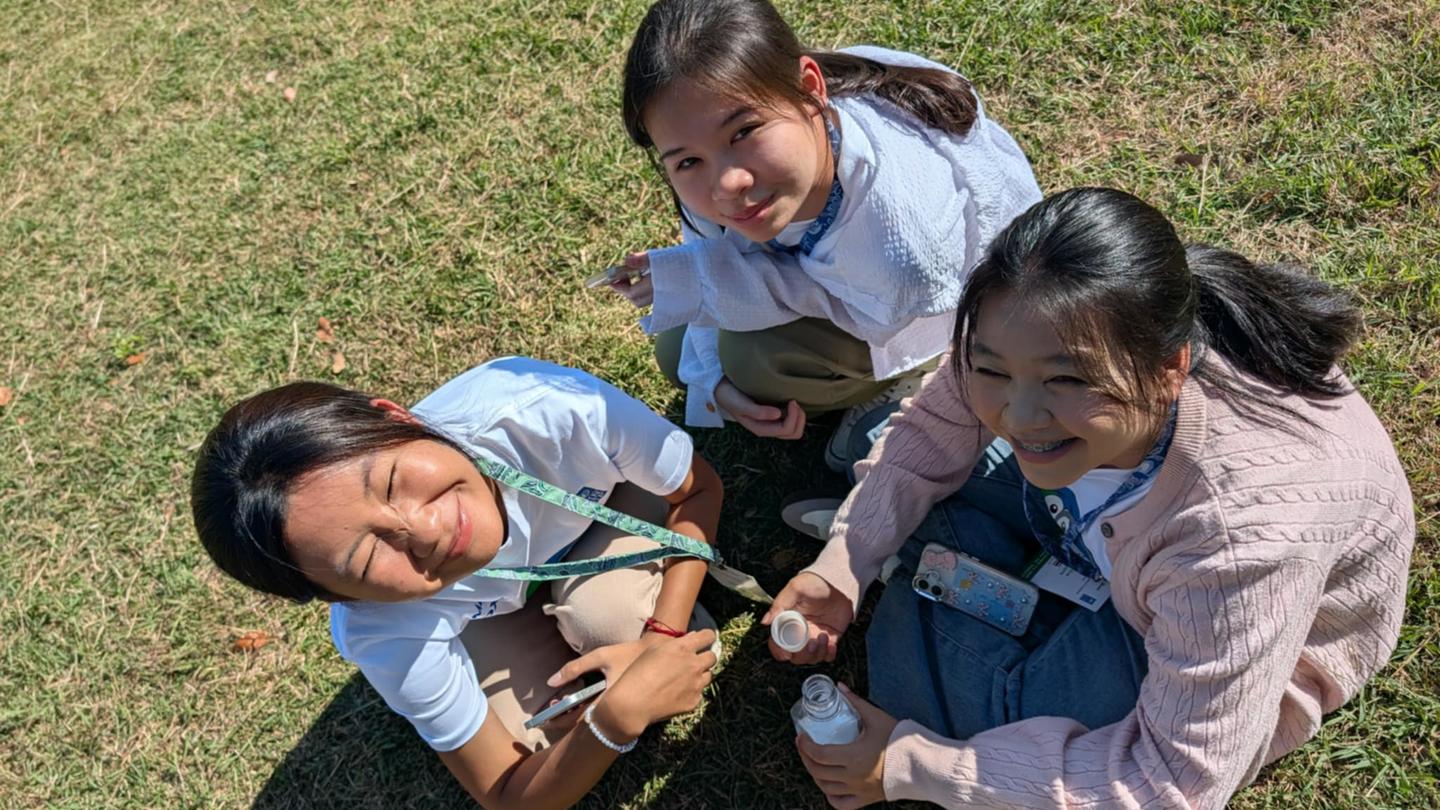
The third International Schoolchildren’s Festival of the Climate Box programme in Thailand brought together students and educators from 12 countries across Asia and Europe
A Telegram channel with 700 subscribers, a model geothermal installation for Bishkek, and a methodology for calculating a personal carbon footprint—three student projects from Kyrgyzstan received international recognition at the 3rd International Schoolchildren’s Festival of the Climate Box programme. The event took place from December 1 to 5, 2025, in Thailand, bringing together students and educators from 12 countries across Asia and Europe.
The international platform united teachers and school students from Armenia, Belarus, Kazakhstan, Kyrgyzstan, Laos, Russia, Serbia, Tajikistan, Thailand, Turkmenistan, Uzbekistan, and Viet Nam. Participants attended workshops and expert lectures on climate issues and presented their own projects.
“I was genuinely impressed by the atmosphere of mutual support at this festival,” says Jafar Abdykalykov, a 9th-grade student from School No. 64 in Bishkek. “Unlike many international competitions, where intense rivalry creates tension, here I felt warmth and a strong sense of teamwork. It reminded me of the way we work together in our school team.”
Three Approaches to One Challenge
The Kyrgyz delegation presented projects utilizing diverse strategies of influence.
Digital Ecosystem for Climate Education. The Climate Class team from Bishkek’s School No. 65 created a website, booklets, and a Telegram channel that reached over 700 subscribers to help peers understand climate risks.
Technological Solutions for the Capital. Students from School No. 64 in Bishkek explored the potential of geothermal energy and built a working model of a geothermal installation. The project demonstrates that school students are not only ready to discuss problems, but also to propose practical technological solutions for their city.
Measuring and Reducing Carbon Footprints. Students from Talas launched the project Breathe, Kyrgyzstan! starting with calculations of their own carbon footprints. They then developed practical steps to reduce emissions through energy efficiency, conscious consumption, and environmentally friendly transport. The project showed how simple actions can have a meaningful impact when families and local communities are involved.

The Kyrgyz delegation presented projects utilizing diverse strategies of influence
An Inspiring Tool
The project work was based on the Climate Box, an educational and interactive toolkit developed by UNDP with the support of the Government of the Russian Federation. The kit includes an illustrated textbook, quiz-style game cards, a climate risk map, and methodological guidance for teachers.
“The Climate Box is first and foremost an interactive learning tool,” notes Angela Ganyuk, a teacher at School No. 2 in Talas. “It helps children understand the planet as a single system, where all the laws of existence are closely interconnected. Thanks to this holistic approach, students not only gain a deeper understanding of geography, but also develop key competencies essential for a modern, well-educated person.”
For today’s students, project work is more than simply reading a textbook. While a paragraph may remain abstract theory, a project requires students to internalize knowledge. By exploring real-world challenges, they begin to see the practical value of what they are learning.
The Role of Teachers: From the Classroom to the International Stage
The students’ success at the festival was the result of sustained, systematic work by teachers who transformed educational materials into a space for experimentation and independent problem-solving.
“The Climate Box is first and foremost an interactive learning tool,” notes Angela Ganyuk, a teacher at School No. 2 in Talas. “It helps children understand the planet as a single system, where all the laws of existence are closely interconnected. Thanks to this holistic approach, students not only gain a deeper understanding of geography, but also develop key competencies essential for a modern, well-educated person.”
For educators, participation in an international event offered an opportunity to see how their everyday classroom efforts translate into students’ confidence and initiative on the global stage. It also serves as a powerful motivation for other students: witnessing their peers’ success inspires them to join the climate movement.
Contributing to a Sustainable Future
School-based climate projects are helping to shape a new generation of environmentally responsible citizens who understand both the causes and consequences of climate change. International collaboration, project-based learning, and the use of modern educational tools enable students to develop critical thinking, initiative, and a sense of responsibility for the environment.
In the long term, such initiatives strengthen Kyrgyzstan’s capacity to adapt to climate risks. Integrating climate education into school programmes contributes to the development of a culture of sustainability and a more conscious approach to natural resource use.
The initiative is being implemented within the framework of the project "Climate Education for Promoting SDGs and Climate Action" and is being implemented with the support of the Russia-UNDP Trust Fund.






Related
content
content


