

 Locations
Slavutych: a city that knows how to start anew
December 9, 2025
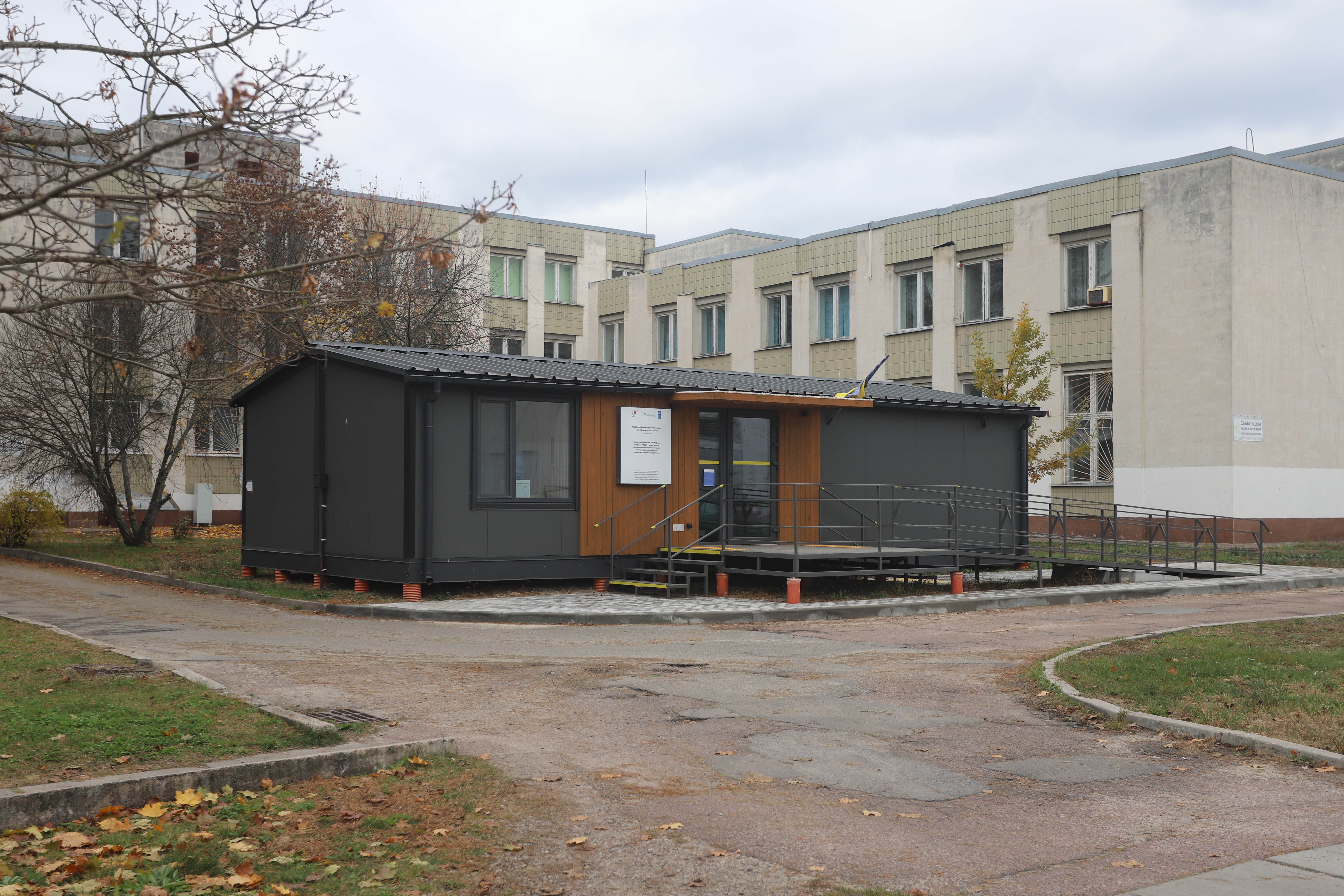
At just 37 years old, Slavutych is Ukraine’s youngest city. It was built as a new home for the workers of the Chornobyl Nuclear Power Plant after the 1986 disaster. Compact, green, and featuring a variety of architectural styles, it was conceived from the start as a city for comfortable living, with thoughtfully designed infrastructure and amenities for its residents.
But after the Chornobyl plant was shut down in 2000, life in Slavutych became more difficult: plant workers lost their jobs, the local economy declined, and the city’s further development was threatened.
However, the community then took action to restore Slavutych’s reputation as an efficient and livable city. They first established a free economic zone and attracted investors, creating new jobs. During the government decentralization process, the city upgraded its engineering networks and infrastructure, and Slavutych began moving forward again.

Then the full-scale war brought new challenges. The city faced danger, isolation, and even briefly occupation. Residents experienced shortages of goods and a completely uncertain future.
“It was scary walking into a store and seeing empty shelves,” recalls the city’s deputy mayor, Tetiana Melnyk.
“We managed to organize deliveries through forests and footpaths, bypassing Russian units, bringing food and medicine. We distributed firewood and set up a hotline. The city was saved from collapse.”
Once the situation stabilized, the city faced familiar questions: what comes next? How can development momentum be maintained, and how can the city remain attractive and livable, even during wartime?
A shared vision of recovery
With many needs and limited resources, Slavutych, together with the EU and UNDP, started with the most important step — setting priorities. They conducted a social survey to find out which development directions residents considered most urgent and held a series of strategic sessions with various community groups.

“Young people, internally displaced persons, businesses, council members, and civil society representatives — proposals for city project were developed during strategic sessions with all these groups,” says Larisa Nikitenko, an advisor to the city’s major. “They were then compiled into a single document: the Slavutych Comprehensive Recovery Plan.”
Based on theit study findings data, the team created a portfolio of concrete actions and projects, giving the city a roadmap and a new goal after occupation.
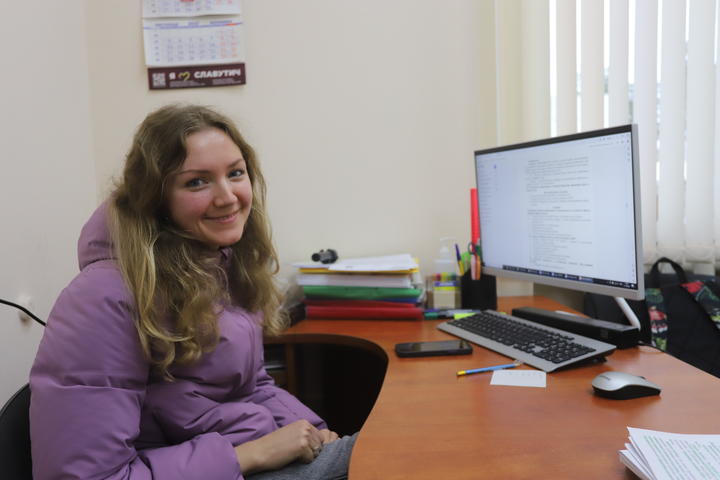
“We identified three objectives: restore the economy, create a livable environment, and establish cooperation with neighbouring communities,” explains Aliona Hovendiaeva, the city counci’s chief specialist on socio-economic development projects.
Internally displaced people (IDPs) who moved to Slavutych during the war have also played a key role. They brought their businesses, professional experience, and the determination to build a future in a new place.
“We have lots of IDPs, and we are adapting two buildings to meet their needs, including inclusive apartments,”says Melnyk. “IDPs are not just migrants; they’re new Slavutych residents. We have about 1,500 of them in a city of 20,000.” Thus, the city’s goal was not just recovery but renewal — to become modern, well-planned, and accessible to all.
Comfort for everyone: A barrier-free route
One of the first decisions was to improve accessibility. From the moment it was founded, Slavutych was envisioned as a city with a large pedestrian area. However, its infrastructure needed updating, especially considering the needs of veterans, people with disabilities, and older residents.

Together with three other communities in Ukraine, the city took part in a pilot project organized by the NGO “CERA” with the support of UNDP and funding from the Government of Denmark. The aim of the initiative was to develop a modern model of Barrier-Free Councils — an advisory body under the city council that enables systematic monitoring of how local barrier-free policies are implemented, evaluating the effectiveness of existing programs, and coordinating and planning effective steps in this direction.
At the same time, the Ministry for Communities and Territories Development of Ukraine, together with UNDP, worked on developing regulatory documents to scale the initiative — specifically, the Regulation on Local Barrier-Free Councils, which became the foundation for communities, as well as methodological guidelines for establishing local barrier-free councils.
“The creation of barrier-free councils was piloted in four cities, and Slavutych was one of them. Barrier-free accessibility as an area of state policy in Ukraine is actively developing, so it was important to provide communities with the necessary tools. The previous format — accessibility committees — no longer met modern needs and challenges.
Today, more than 900 Barrier-Free Councils are functioning across Ukraine, practically implementing the model we developed together. Essentially, a Barrier-Free Council is a permanent platform for cooperation and coordination among all stakeholders working to promote accessibility in the community,” says Anton Yanchenko, project manager and representative of the NGO “CERA”.
Slavutych began its changes by creating a long barrier-free route as part of the flagship project “Movement Without Barriers,” stretching from the “Olimpiiets” sports complex to the central square — a place visited daily by hundreds of people. The city became one of 15 pilot communities in Ukraine participating in a project that creates comprehensive accessible transport and pedestrian routes. The route in Slavutych will cover several kilometers and connect key points of the city. Along the route, ramps, renewed pavement, contrasting markings, and convenient entrances to key administrative buildings are being installed.
The city council team also took part in the Barrier-Free Routes School by UNDP and the Government of Japan, created at the request of the Ministry for Communities Development.
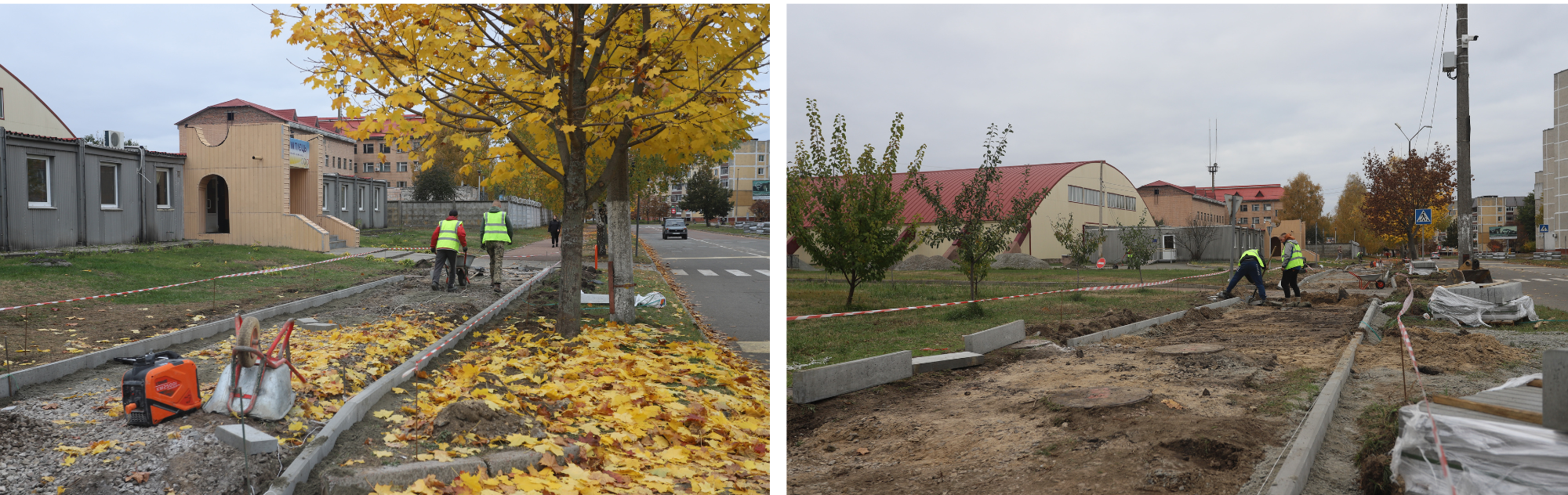
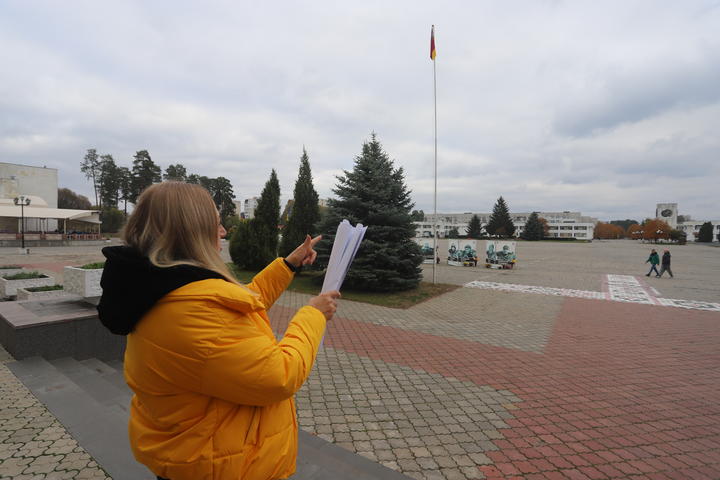
“Every project implemented in Slavutych takes barrier-free accessibility into account. Slavutych has always been comfortable to live in, but it is almost 38 years old, and considering that the city was built in just about a year, everything needs modernization. The barrier-free route will improve access for everyone to social infrastructure — the Administrative Service Center, cultural institutions, the city council,” explains Larysa Nikitenko.
In parallel, the central square is also being renovated. Currently, the city council is reached from the square by old heavy steps, and the square itself is partially deteriorating due to erosion and time. Therefore, it is planned to make it more accessible for everyone without exception.
A new social space
The city’s social spaces were also outdated, with inclusivity almost entirely overlooked. Renovating spaces to make them accessible to all became a key goal.
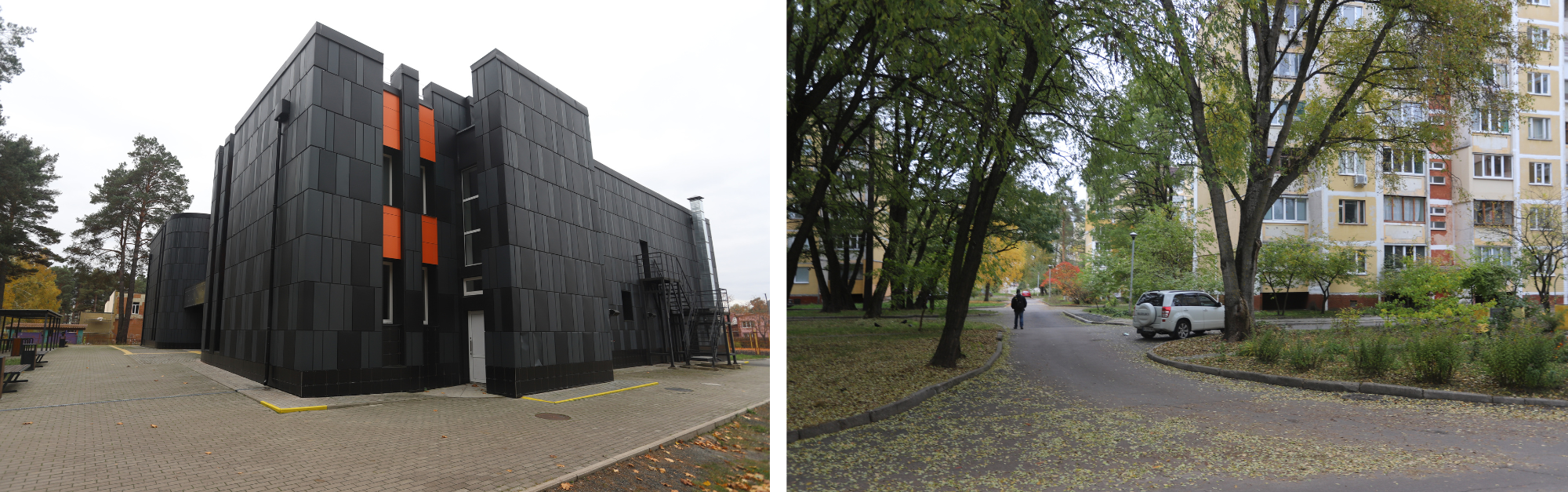
Thus, in Slavutych, as part of the “Movement Without Barriers” project to create accessible routes, one of the largest facilities — the cinema and concert complex — is being renovated. For many years, this place was the heart of city life: it hosted creative competitions, concerts, volunteer meetings, and humanitarian events. However, a space so important to the community remained inaccessible to many people — particularly those with limited mobility and children with disabilities.
Local architects attended UNDP’s Universal Design School, supported by Sweden in 2024, where they gained knowledge about how to design a completely renovatedspace.
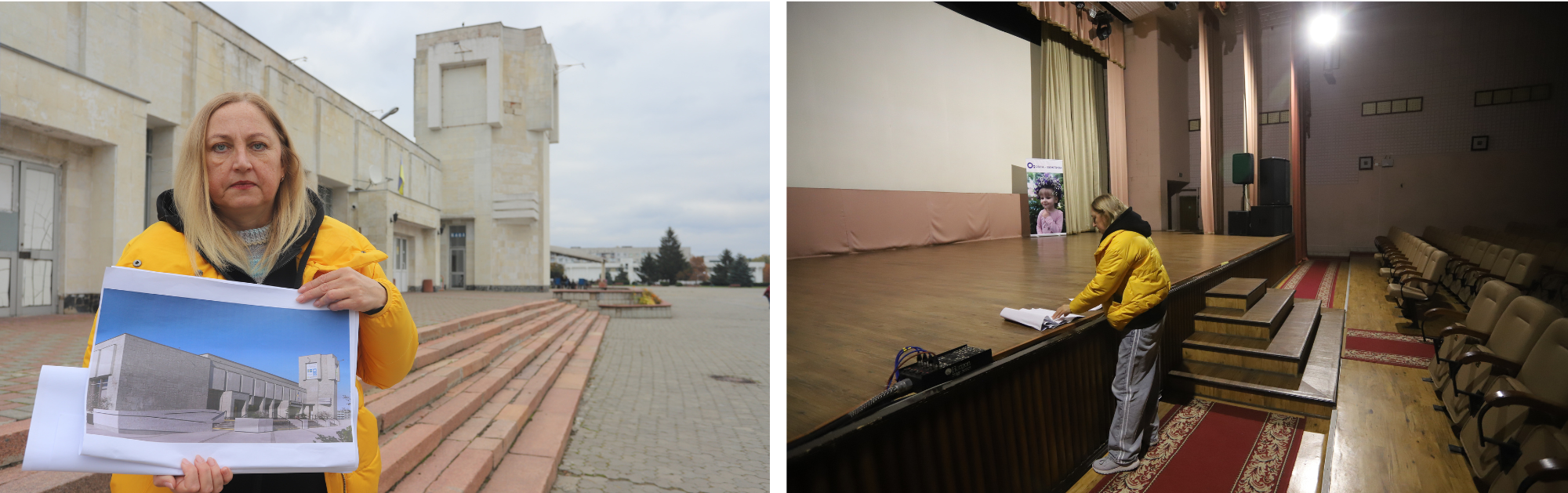
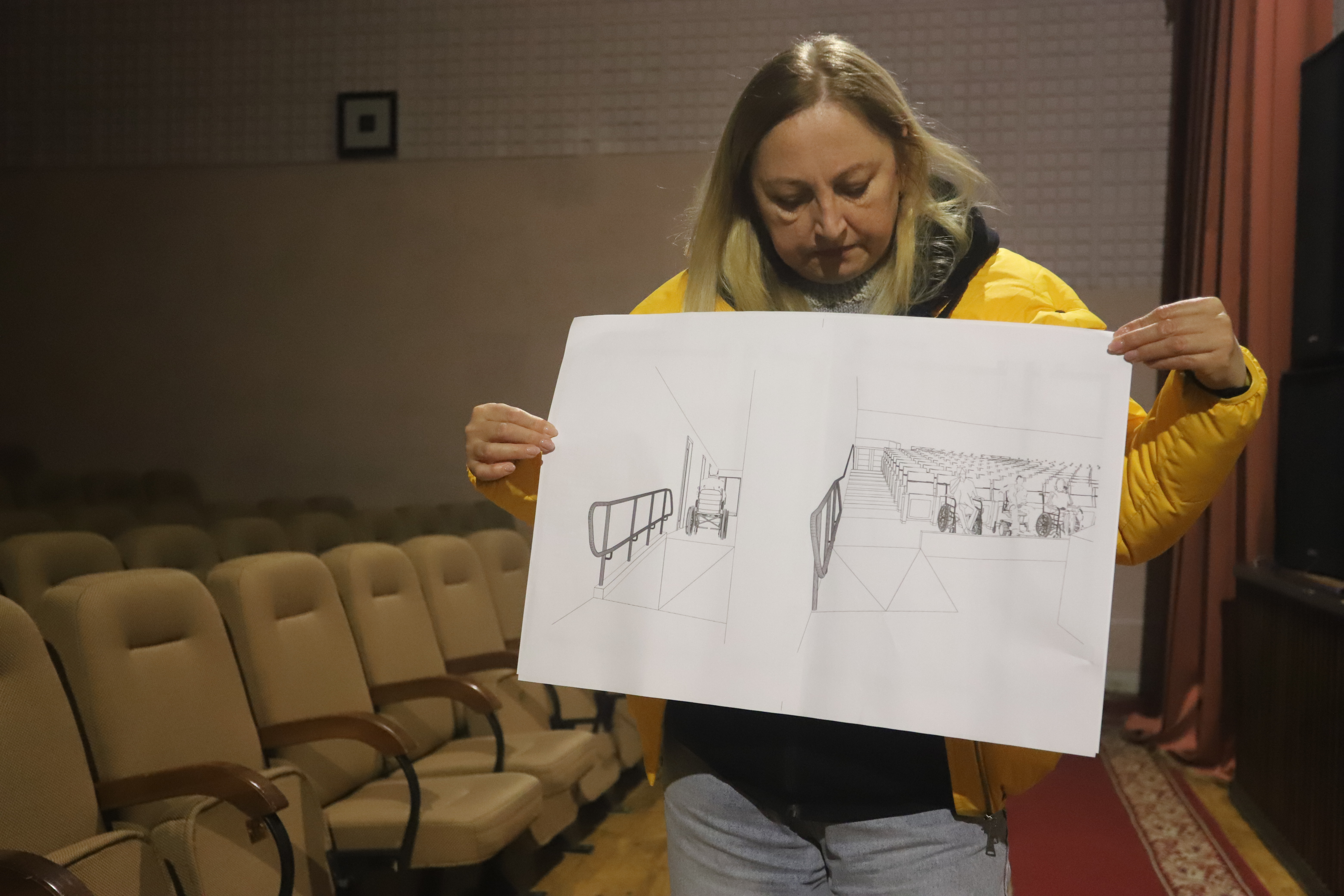

“When we decided which building to improve, it was immediately clear — it should be the cinema-concert hall,” says Melnyk “It’s the centre of culture, volunteering, and all major events. During the Universal Design School, we developed detailed plans for implementation.”
After reconstruction, the complex will feature an accessible entrance, a new inclusive hall, a children’s room, spaces for community events, modern signage, and an elevator providing safe access to an air raid shelter.
“We run competitions for children with disabilities, but currently they have to be carried onto the stage because the hall is completely inaccessible,” adds Melnyk. “After transformation, the space will host more social activities.”
Work has already begun, with the removal of old paving stones and the buildong’s external stairs underway in preparation for the full renovation.
Once completed, the complex will be a new community hub — open, modern, and accessible to all.
A space for recovery
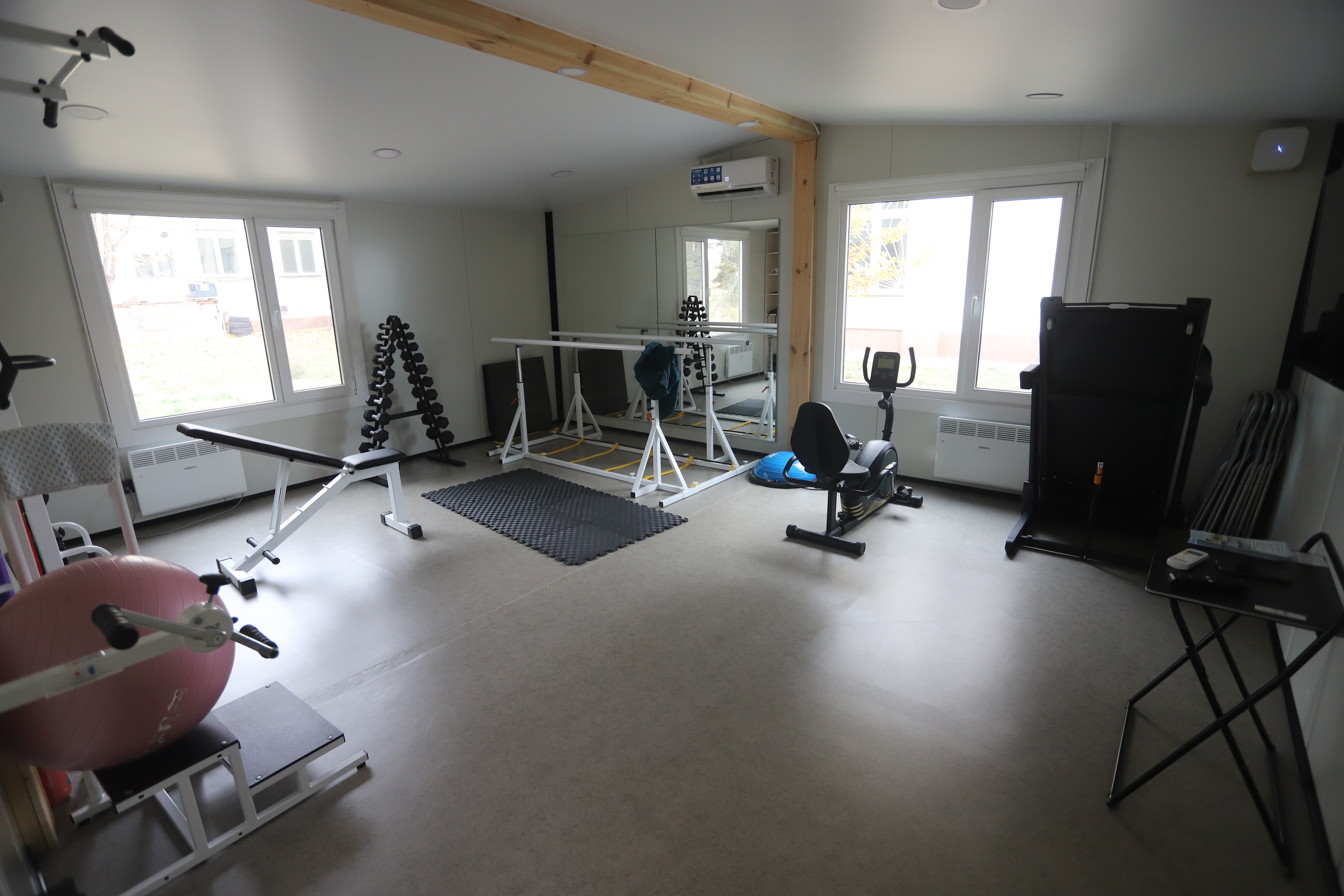
Beyond large infrastructure projects, Slavutych has also supported those needing immediate assistance. A new barrier-free rehabilitation centre, established by the “Mindy” Charitable Foundation with support from UNDP and funding from the Government of Japan, has opened in the city centre.
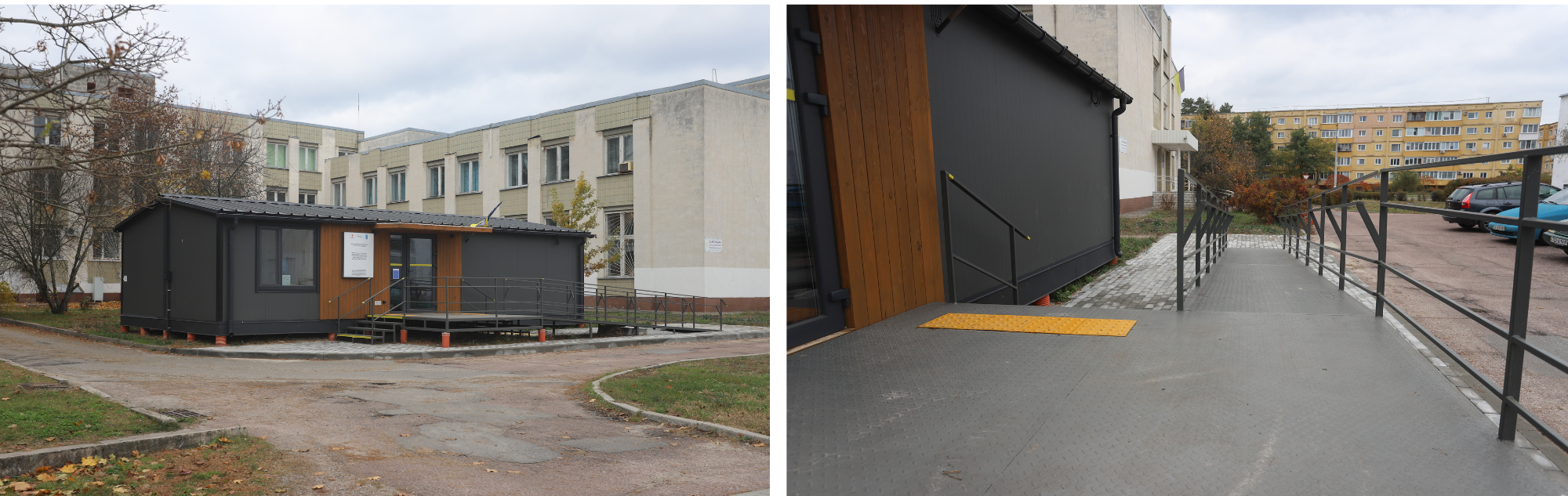
The modern facility includes access ramps, a spacious exercise hall, a massage room, and an inclusive restroom. It can be used for the rehabilitation of veterans, older adults, patients with neurological conditions, and those affected by hostilities.
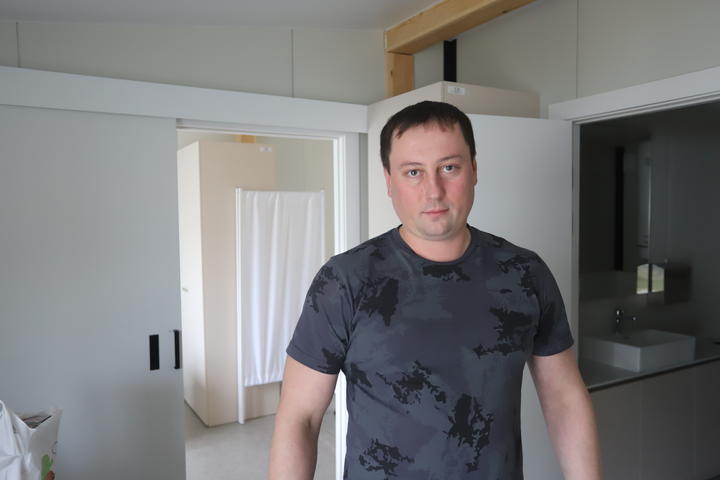
Serhiy, a rehabilitation doctor working with a patient with multiple sclerosis, says the center represents a completely new level of care.
“You should see the patient arrive on a three-wheeled scooter via the ramp!” he says. “It’s very convenient — people can always enter. Hospital ramps aren’t as convenient, and elevators often don’t work during power outages.”
Oleksandr Pinkas, the coordinator of the “Mindy” Foundation, adds that such initiatives benefit the entire community, offering hope and encouraging city development.
“This provides rehabilitation for older adults, post-stroke or post-surgery patients — not in regional centers, but locally,” he explains. “Veterans also receive support, and the centre creates jobs for highly qualified specialists.”

For Slavutych, the centre has particular significance. Having experienced occupation, some residents have blast injuries or trauma from the war. Similar centres are planned for other cities, especially frontline communities.
A city building its future, despite war
Slavutych continues to move forward. The city has renovated a large wellness complex with a swimming pool. It is working on inclusive housing for displaced persons, and it is upgrading infrastructure and creating new social spaces. The guiding principle is simple: Don’t just to restore what was there before, but make it better — more modern, accessible, and people-centered.
Photo credit: Kostiantyn Levchenko / UNDP in Ukraine
The story was prepared as part of the campaign “Ukraine Delivers,” a joint initiative by the Ministry for the Development of Communities and Territories of Ukraine, the United Nations Development Programme (UNDP) and the State Agency for Restoration and Development of Infrastructure of Ukraine.
Related
content
content


