

 Locations
A University in Kenema, a Primary School in Bo: Two Faces of the China-Aid Education Support Project
June 17, 2026
A desk creates a place to concentrate. A chair provides comfort and dignity. A properly equipped classroom tells every child: you belong here, your education matters, and your future is worth investing in."— Fredrick Ampiah, UNDP Resident Representative in Sierra Leone
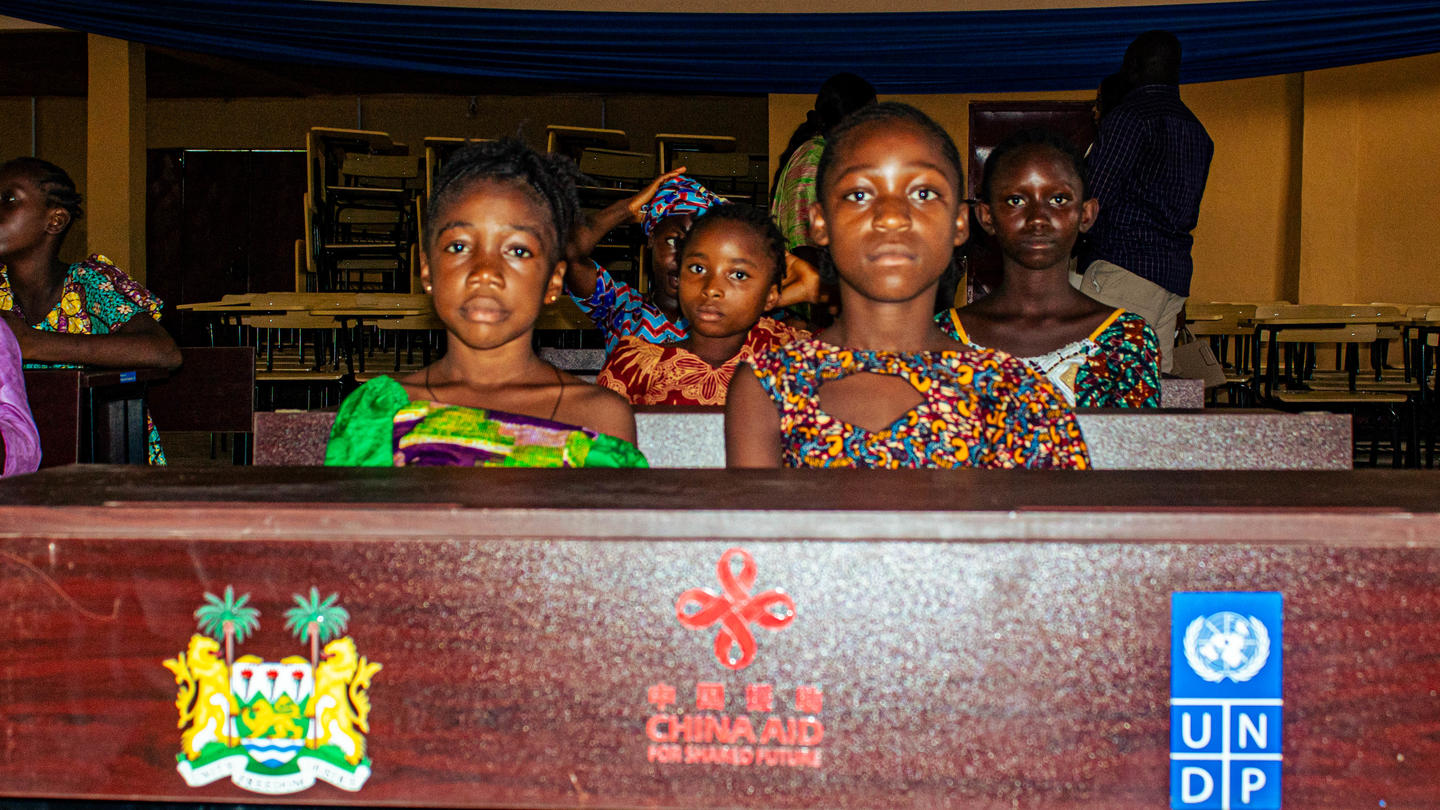






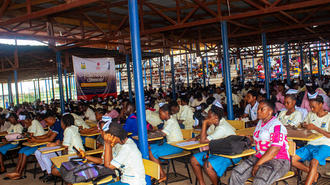

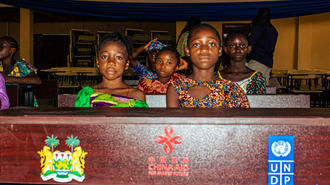



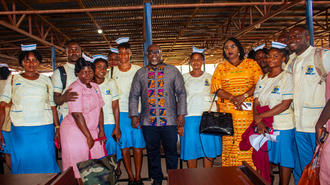

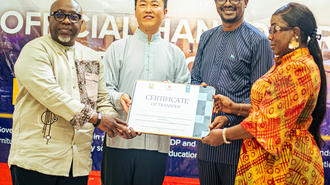
The furniture that arrived in Kenema and the furniture that arrived in Bo came off the same delivery, under the same project, with the same purpose. But the rooms waiting to receive it could hardly have been more different and in that difference sits the real story of the China-Aid Education Support Project.
The need behind the project is not abstract. Under the Global Partnership for Education, Sierra Leone's school enrollment climbed from under 2 million in 2018 to over 3 million by 2021, more than a million new students in three years. A system absorbing growth on that scale inevitably strains at the seams, and UNDP has named where it shows: overcrowded classrooms, inadequate infrastructure, and a shortage of basic furniture that limits both the quality of learning and how long students stay in school. The desks and chairs handed over in Kenema and Bo are a direct answer to that pressure.
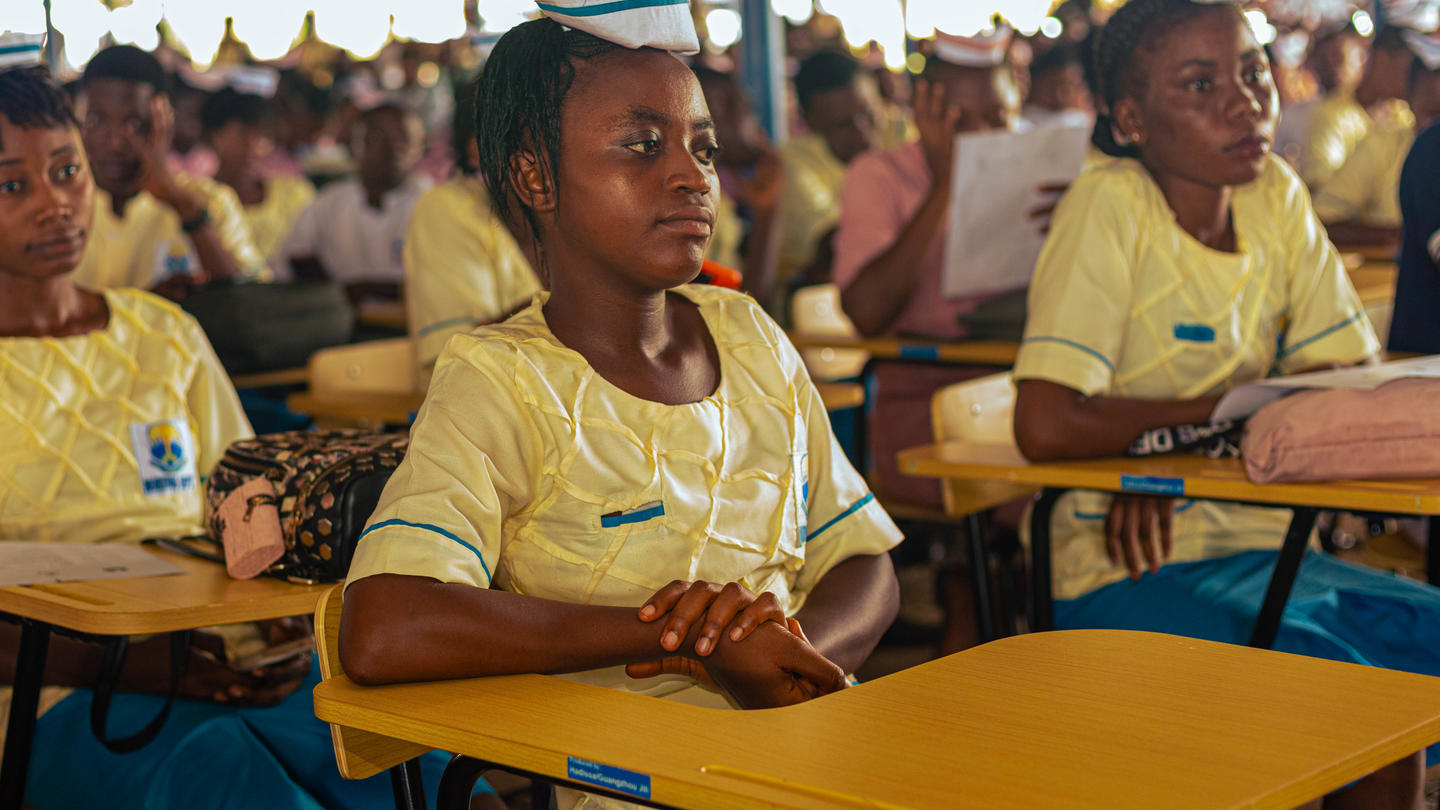
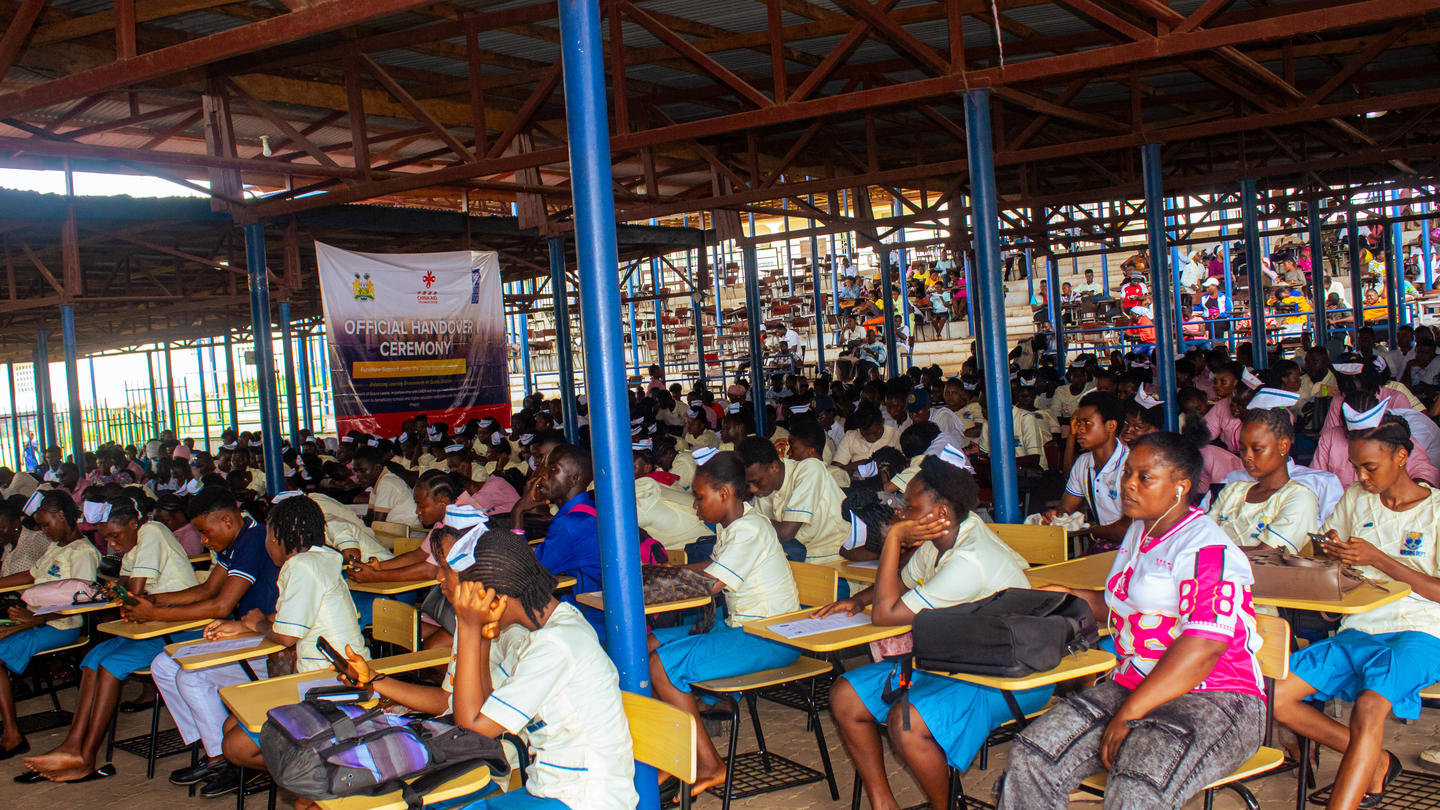
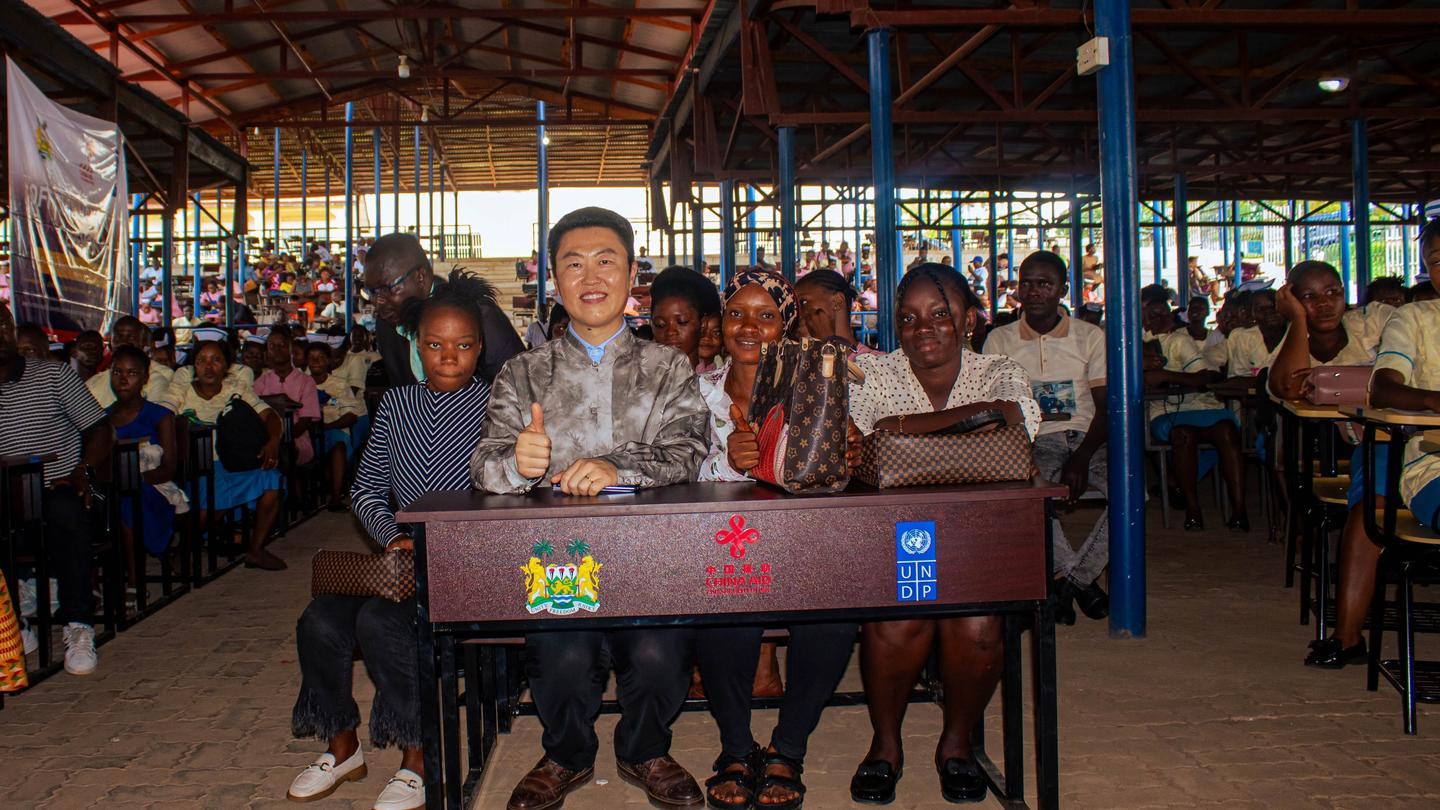
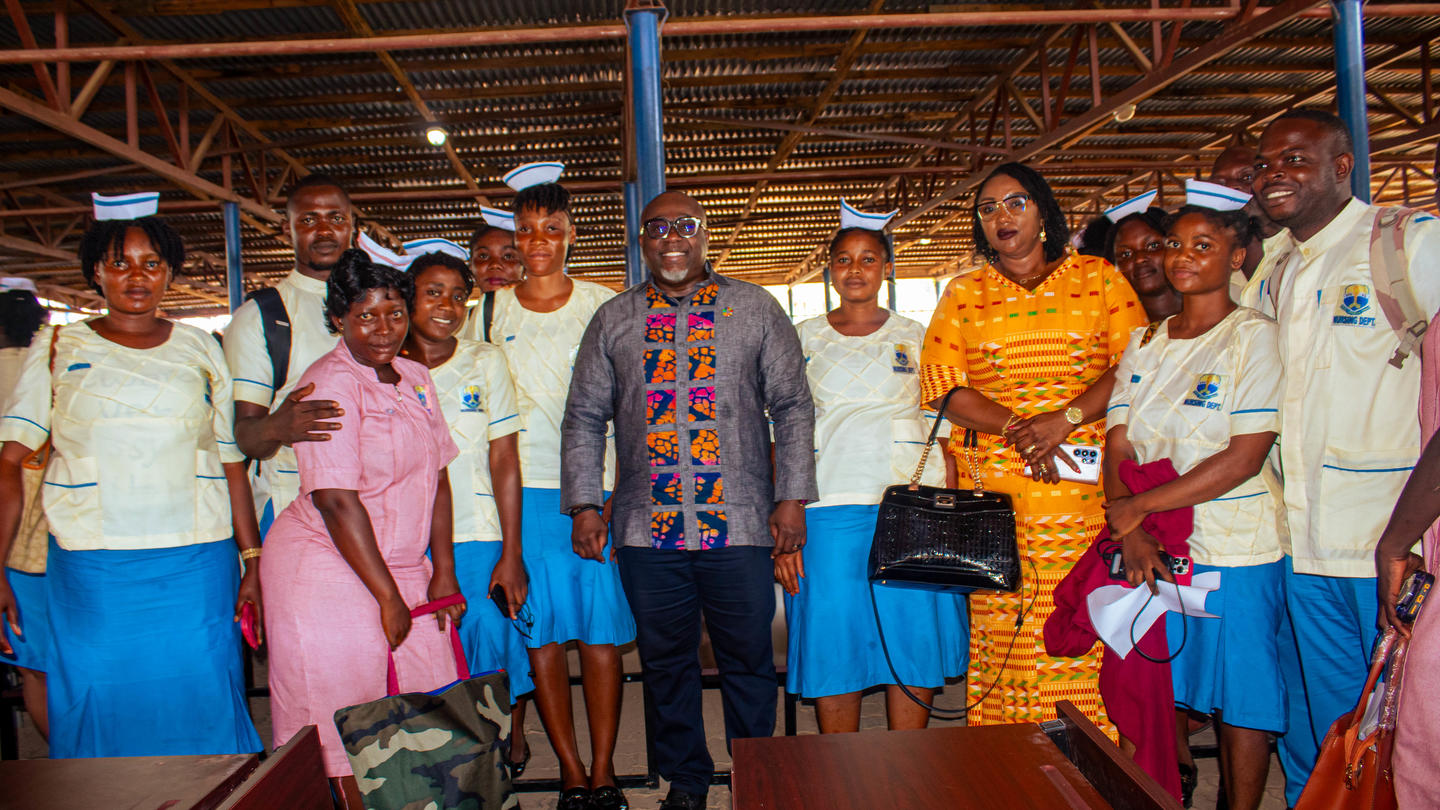
In Kenema, the handover took place on the compound of Eastern Technical University. The furniture there is for young adults on the threshold of the workforce, students in technical and higher education, for whom a properly equipped lecture hall is the difference between learning in a crowded, makeshift room and one built for concentration. Four hundred furniture units were presented at the ceremony, part of a rollout that had already delivered 1,500 units to institutions across the country.
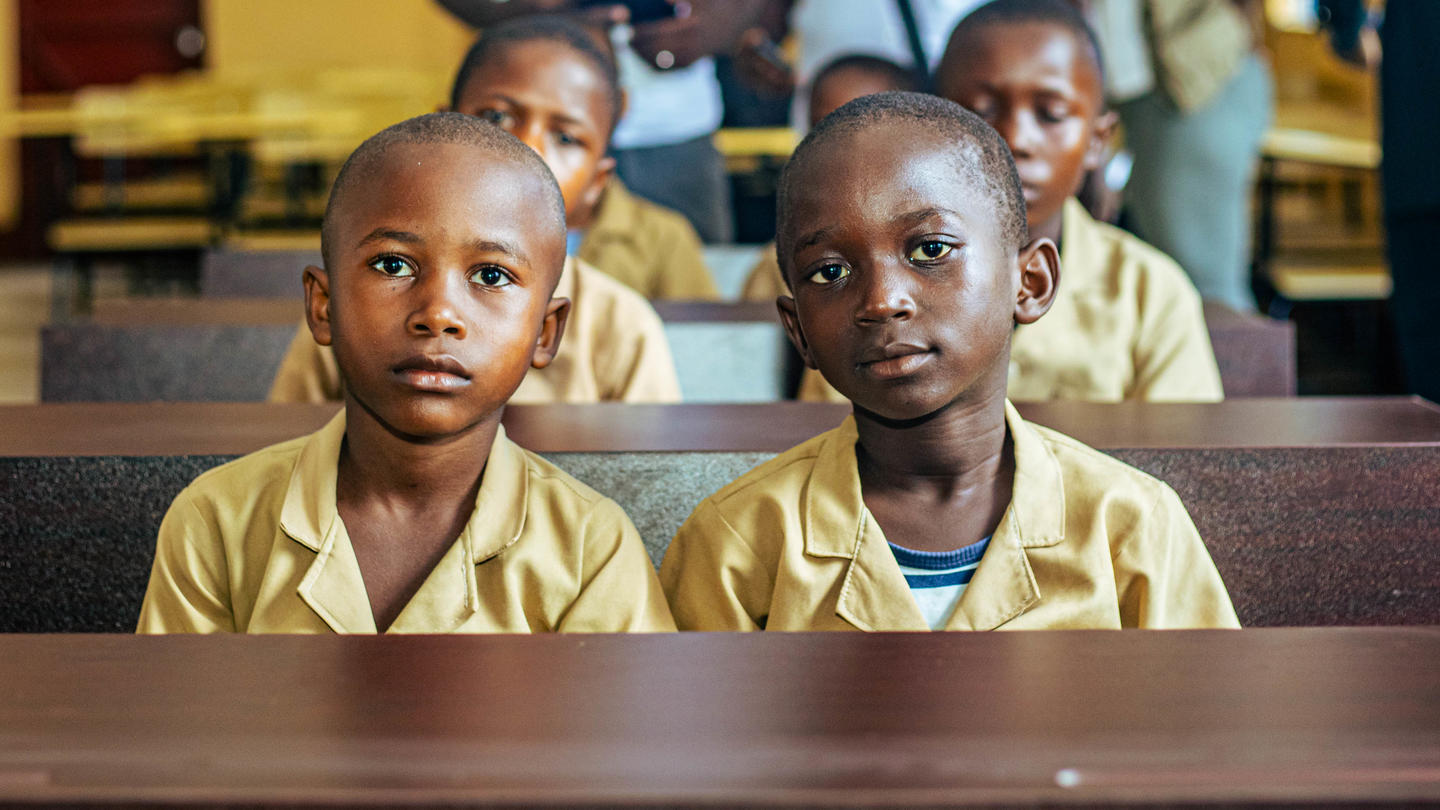
In Bo, the ceremony moved to a different world entirely: the compound of Queen of the Holy Rosary School on Ngalu Road, among primary and secondary pupils. Here the desk means something more elemental. For a child who has been sharing a bench or sitting on the floor, a desk of their own is the first quiet signal that their education is being taken seriously, that they belong in the room. Same furniture, younger hands, an earlier and more fragile stage of the same journey.
This was deliberate. Rather than gathering everyone in the capital, UNDP and the Government structured the handover as three regional ceremonies, Freetown, Kenema, and Bo precisely so that beneficiaries across the country could take part without the burden of long-distance travel. The geography of the rollout is the point: this is a project designed to reach the provinces on their own ground, not to summon the provinces to Freetown.
And the reach is wide. The intervention spans beneficiary districts including Western Urban, Western Rural, Bo, Kenema, Kailahun, Kono, and Tonkolili, reaching primary schools, secondary schools, TVET institutions, and universities alike. Delivered under the project Improved Learning Opportunities for Youth in Sierra Leone, the furniture is meant to do what the concept behind it promises: ease overcrowding, improve the teaching and learning environment, and lift student comfort and participation from the youngest pupil to the university student.
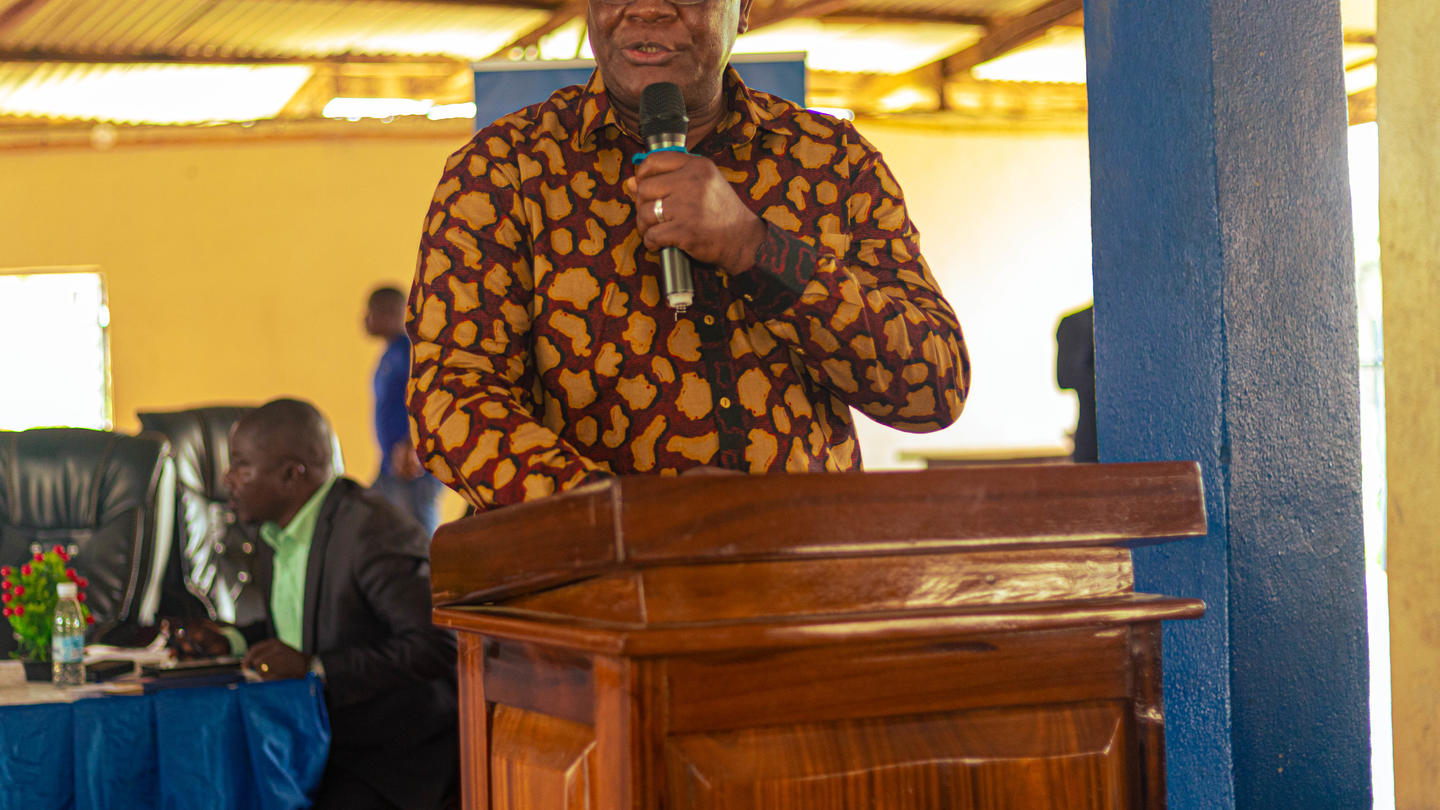
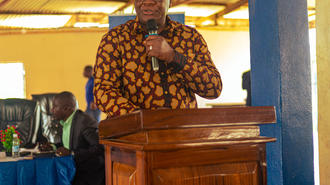
At the ceremonies, the message held steady across every level of the system. Fredrick Ampiah, UNDP Resident Representative, framed the effort as an investment in Sierra Leone's future, stressing that quality education is about more than physical infrastructure, it is about building environments where young people can develop their potential and contribute to national development, and it is central to breaking the cycle of multidimensional poverty. Representing the Ministry of Basic and Senior Secondary Education, the Government hailed the donation as a milestone in transforming the education sector, one that lets students and teachers alike perform better and aligns with the Government's Big 5 Game Changers agenda.
The Ministry of Technical and Higher Education pointed to the same investment as a boost to technical and higher education nationwide. And the Chinese Ambassador, Wang Qing, reaffirmed China's commitment to Sierra Leone's education sector, tying the project to a partnership between the two countries now approaching 55 years.
The provinces differ, in what they teach, in whom they serve, in how far a desk must travel to reach them, and in the very buildings where the furniture finally comes to rest. A university compound in the East. A primary school in the South. But the sentence that arrives with every desk is the same, whether it lands in a lecture hall or a primary classroom: you belong here.
Together, we are doing more than furnishing classrooms. We are creating opportunities, restoring dignity, and investing in the next generation of Sierra Leone.
Media Contact
Tanya Honnah
Communication & Partnership Analyst
tanya.honnah@undp.org