

 Locations
How BIOFIN is developing biodiversity finance solutions in Kazakhstan
Investments in nature - investments in life
August 20, 2026

Karatau argali
Photo: Karatau State Nature Reserve
The global biodiversity financing gap exceeds US $700 billion a year. We are taking more from nature than we are investing in it.
Kazakhstan’s figures are telling: 74.5 percent of biodiversity financing comes from the government, while the private sector accounts for only 3 percent. At the same time, land degradation and water scarcity create economic risks for regions and the country as a whole: more than 60 percent of the territory is affected by desertification and species are declining. In this context, conserving ecosystems is not just an environmental priority - it is an investment in sustainable development.
With support from the UNDP Biodiversity Finance Initiative (BIOFIN), Kazakhstan is building a system in which nature conservation becomes part of economic policy and investment decisions. This includes finance solutions ranging from attracting climate investment through forest conservation to creating sustainable sources of income for protected areas and developing ecotourism.

Financing protected areas: from biodiversity conservation to financial sustainability
Protected areas (PAs) are the foundation of biodiversity conservation. To fulfil this role, they need sustainable financing, and government funding remains their main source today. However, ensuring the long-term sustainability of PAs also requires developing additional sources of income.
With BIOFIN’s support, Kazakhstan is strengthening PA management and financial planning systems by introducing modern approaches to management planning and training staff accordingly. In the first half of 2026 alone, more than 60 specialists upskilled in this area. Conditions are also being created for PAs to increase their own revenue. A new procedure for setting tariffs for paid services, in place since 2024, is creating conditions for national parks and nature reserves to increase their own revenues, with a target of sixfold growth by 2030.
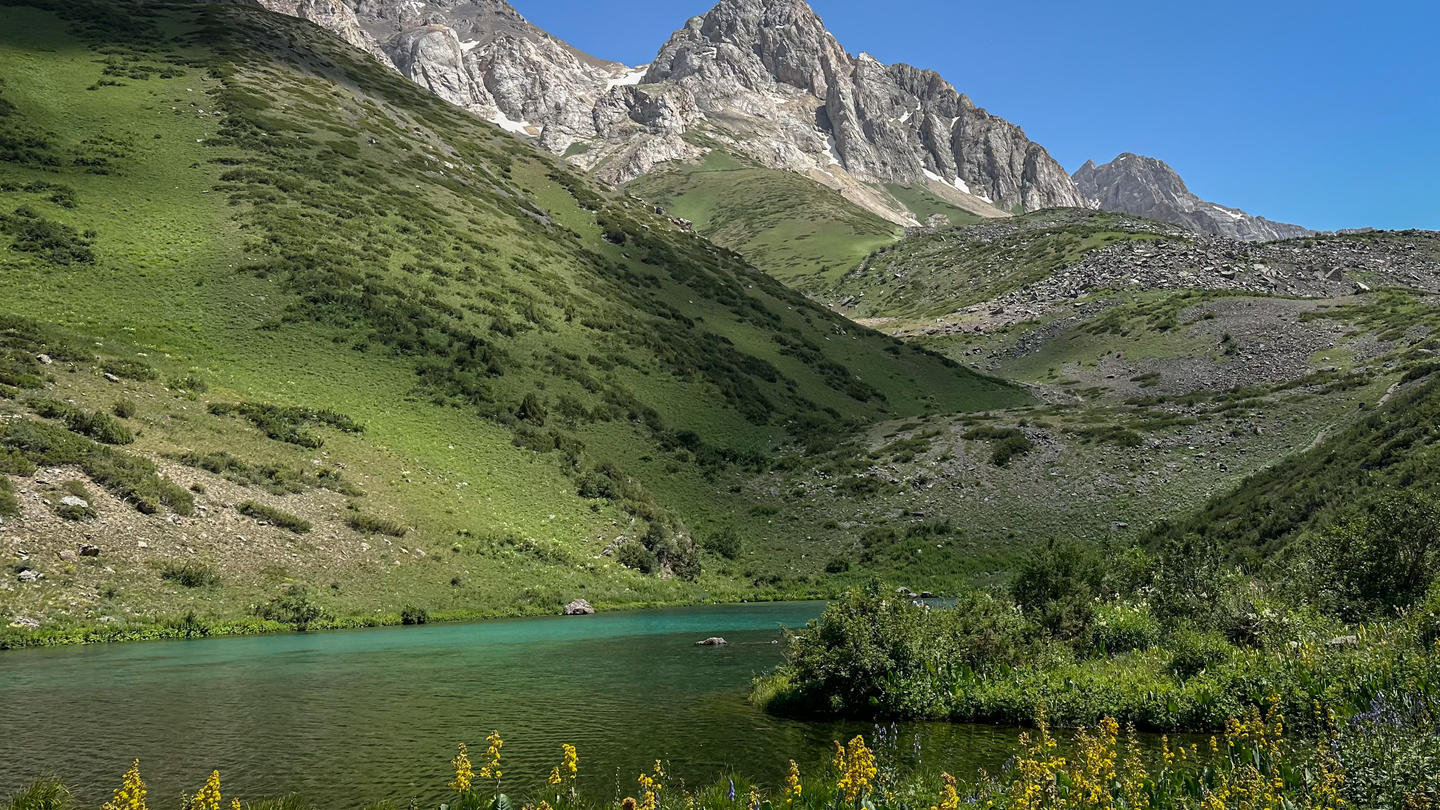

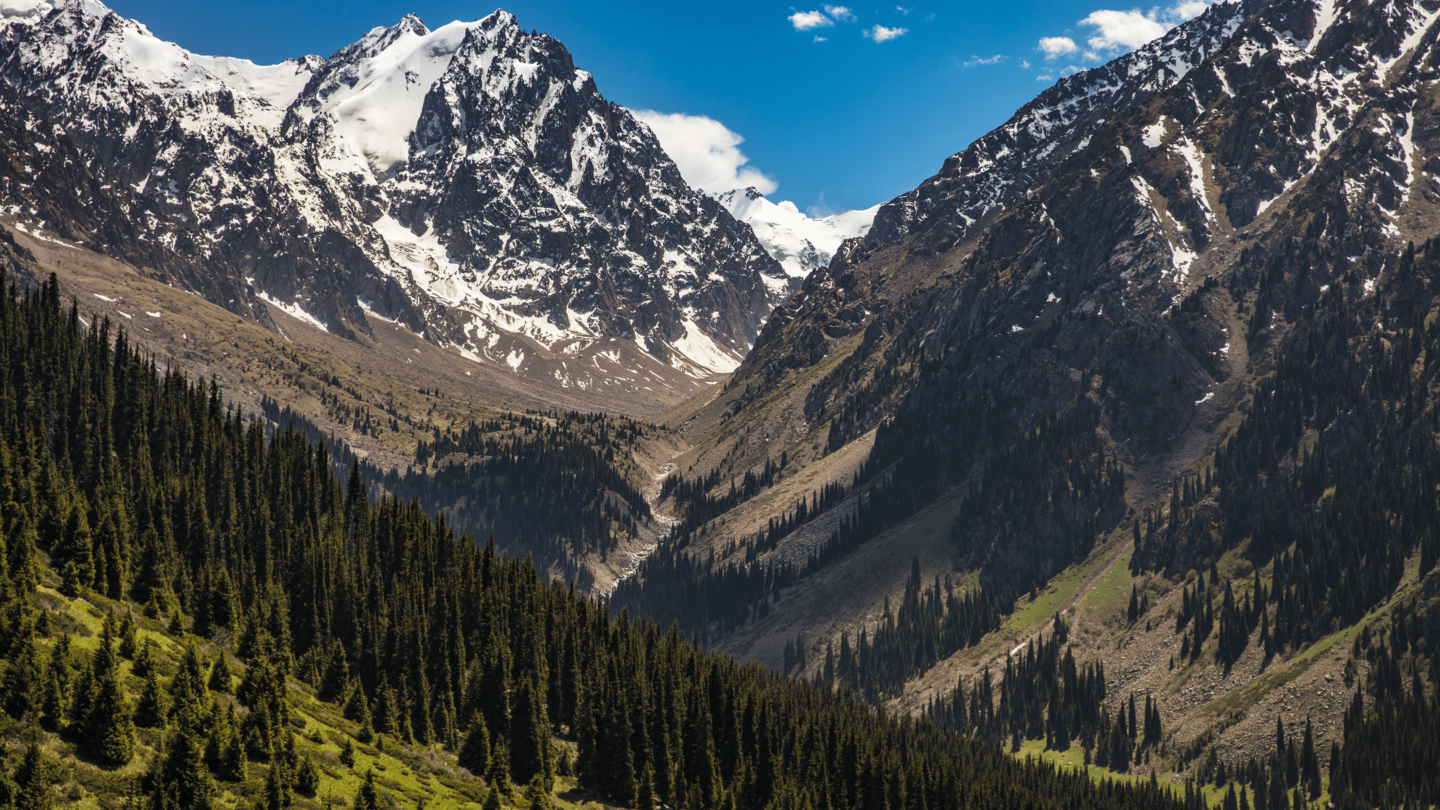

1) Sairam Lake in the Sairam-Ugam National Park. Photo: UNDP Kazakhstan 2) Aktau Mountains in the Altyn Emel National Park. Photo: UNDP Kazakhstan 3) Almaty State Nature Reserve. Photo: Saltore Saparbayev
Payments for ecosystem services provide another potential source of financing: those who benefit from natural resources such as clean water, forests and soils contribute to their conservation. The mechanism was established in the Environmental Code in 2021, and BIOFIN has valued ecosystem services in Karkaraly National Park and Ile-Balkhash Nature Reserve, helping demonstrate their economic value and create a basis for additional financing. The initiative is also helping build capacity for the future: more than 2,000 students at three universities in Kazakhstan are expected to study the fundamentals of financial planning for PAs each year.

Results-based budgeting for forestry: from planning to sustainable financing
The forestry sector in Kazakhstan receives around US$ 129.9 million in government funding in 2026. To make this funding more targeted and effective, BIOFIN is supporting the introduction of results-based budgeting in forestry management. Forest management plans will be developed for all 17 regions of Kazakhstan, linking forestry priorities with specific measures and financing needs and sources. The first stage is currently underway, focused on building the methodological framework and expert team, with plans for all regions expected to be completed by 2027.

Ecotourism certification: when nature opens up new opportunities
Ecotourism in Kazakhstan is developing rapidly, becoming not just a new form of travel but also a tool for nature conservation and regional development. Realising this potential responsibly requires common standards. In 2025, Kazakhstan introduced Standard RK 2993-2025 "Ecotourism. General Requirements," developed with expert support from UNDP-BIOFIN. The standard sets requirements for biodiversity conservation, environmental education, waste management and the use of green technologies.
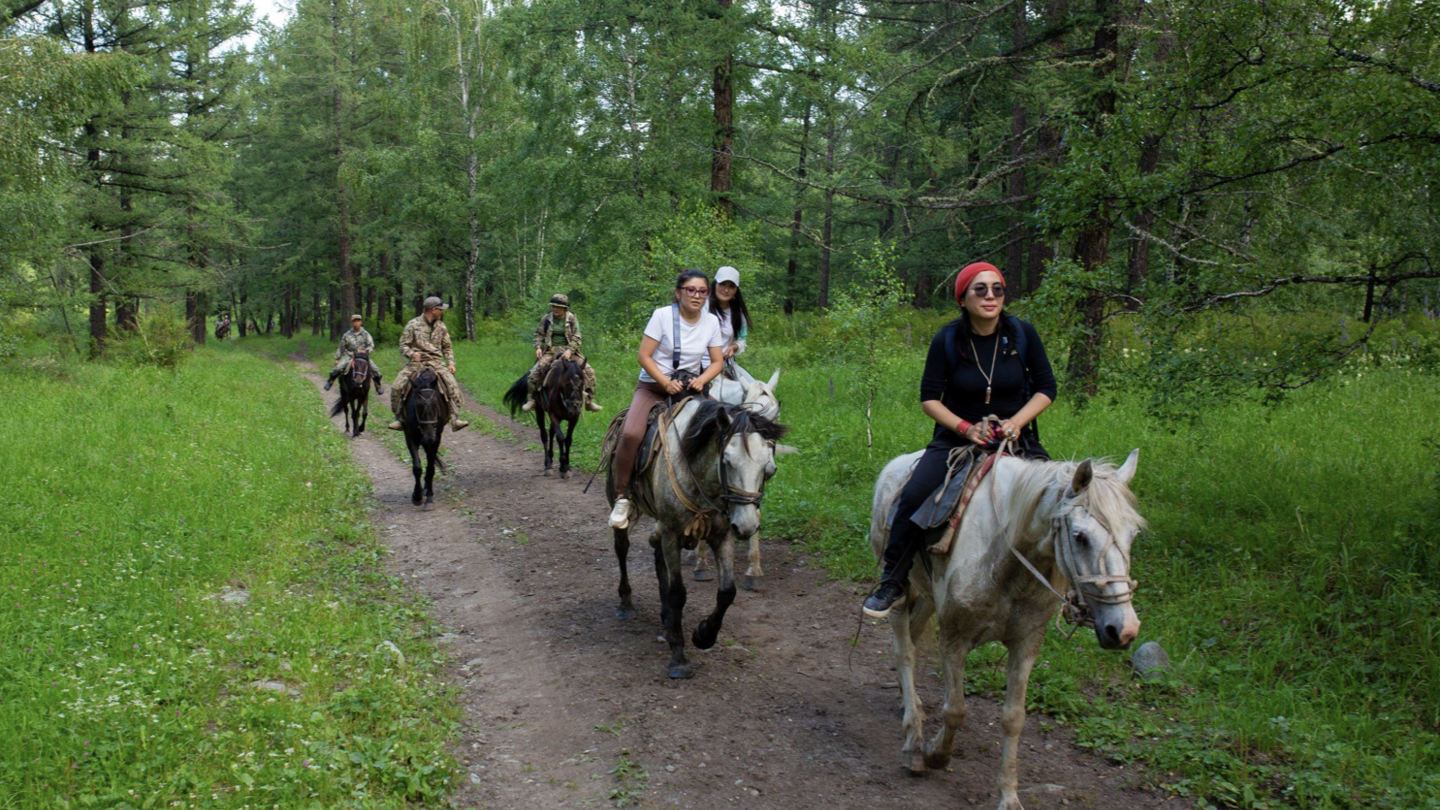

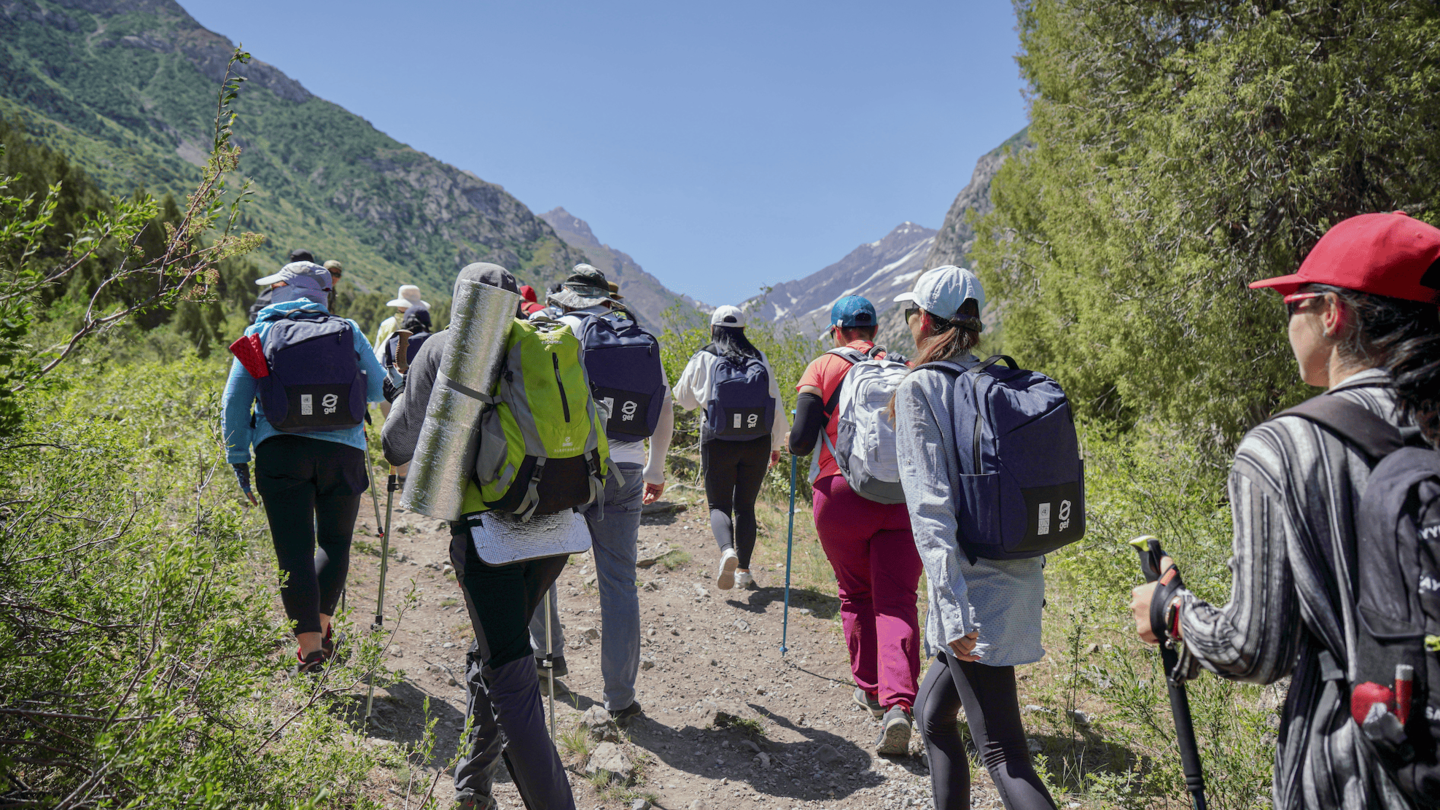

1) Tourists in the Katon-Karagai National Park. Photo: UNDP Kazakhstan/ Sergei Nokhrin 2) Woman entrepreneur from Satty village. Photo: UNDP Kazakhstan/Ainura Salimbayeva 3) Tourist trail in the Sairam-Ugam National Park. Photo: UNDP Kazakhstan
With BIOFIN support, Kazakhstan plans to establish a national ecotourism certification system, including mandatory certification of infrastructure and services in national parks and reserves. This will help PAs develop as sustainable tourism destinations, attracting private investment for nature conservation.
The Government is moving in the same direction: in spring 2026, it established a Coordination Council for Tourism Development as a platform for cooperation among government, business and experts. In parallel, BIOFIN is developing methodological materials and training businesses, PAs and local communities, while supporting educational programmes for future ecotourism professionals and methodologies to determine acceptable visitor levels and optimal visitor flows in national parks. The next step is to pilot the certification system with a private-sector partner in one of the protected areas.

Promoting government financial support for wildlife breeding
Breeding rare and endangered species in semi-free conditions and subsequently releasing them into the wild can help restore wildlife populations, reduce pressure on natural ecosystems and generate revenue for conservation efforts.
Despite its potential, this area remains underdeveloped in Kazakhstan: only 1.3 percent of wildlife users are engaged in wildlife breeding. International experience shows that, with the right economic incentives, wildlife breeding can become an important tool for biodiversity conservation.
With BIOFIN’s support, methodological guidelines for wildlife breeding and the release of animals into the wild were developed in 2023, and more than 60 sector representatives received training in modern approaches during the first half of 2026. Proposals to improve government support for this area have also been prepared, laying the groundwork for its further development.

Nature-related disclosure: bringing nature into business decisions
For businesses and investors, water scarcity, soil degradation and forest loss are not simply environmental problems - they are real economic risks, from higher operating costs to disruptions in supply chains. When ecosystems degrade, the economy inevitably feels the consequences.
This is why nature-related financial disclosure is becoming increasingly important. It helps companies and financial institutions understand how their operations depend on healthy ecosystems, identify risks created by nature and ecosystem degradation, and factor these considerations into business and investment decisions.
In 2024, BIOFIN assessed Kazakhstan’s readiness to introduce nature-related financial disclosures, involving more than 90 representatives from business, the financial sector and government. The assessment showed strong interest, but also highlighted the need for appropriate methodologies, better data on ecosystems and practical tools for assessing nature-related risks. Based on the findings, BIOFIN prepared recommendations and continues to support dialogue among government, businesses and financial institutions.

Biodiversity offsets: making development more nature-positive
Major infrastructure and industrial projects inevitably affect nature in some way. This is the principle behind the international approach to biodiversity impact compensation that BIOFIN is promoting in Kazakhstan: first, avoid impacts on ecosystems; then minimise and mitigate them; and only where losses are unavoidable, offset them - by restoring ecosystems, creating new protected areas or supporting threatened species. The goal is not simply no net loss, but biodiversity gain.

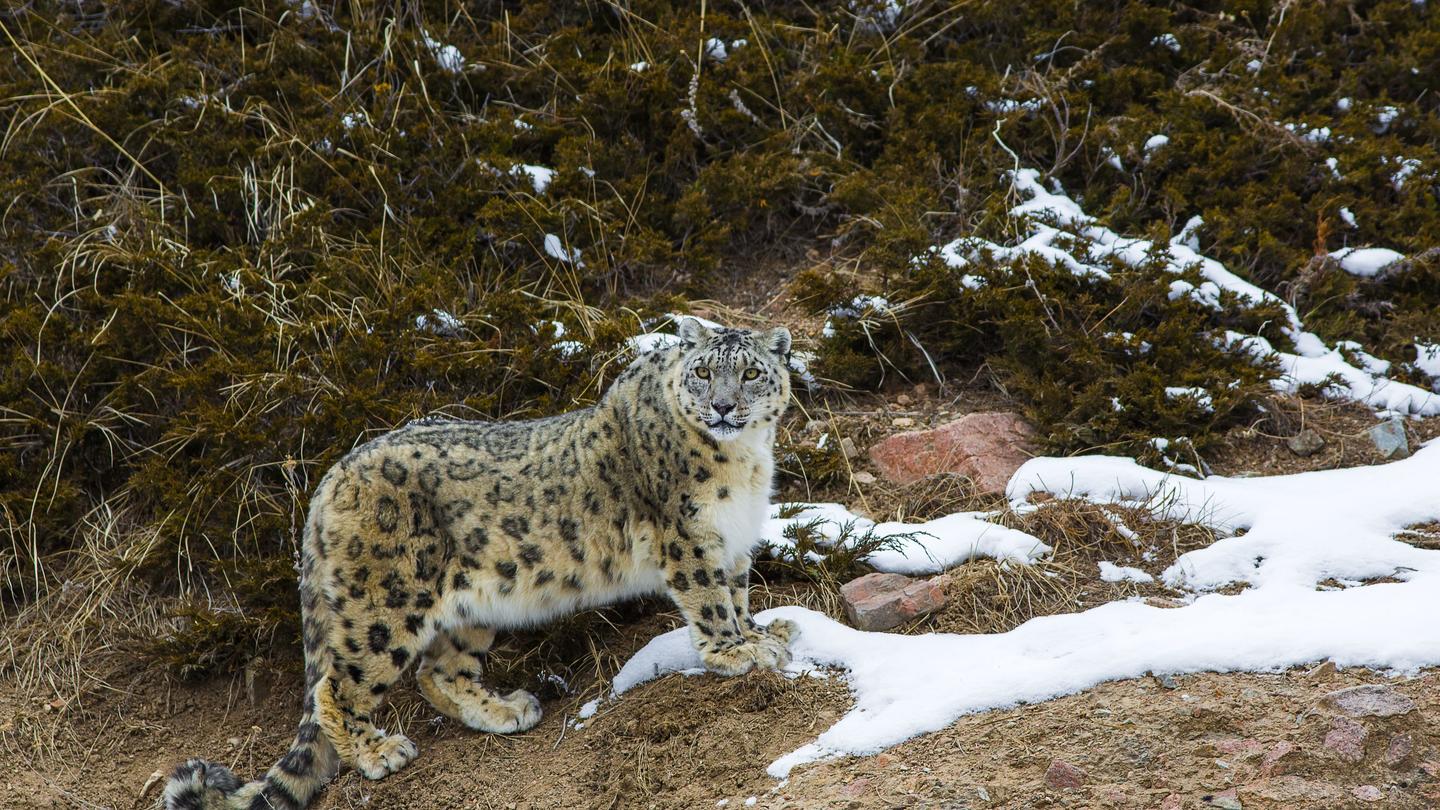
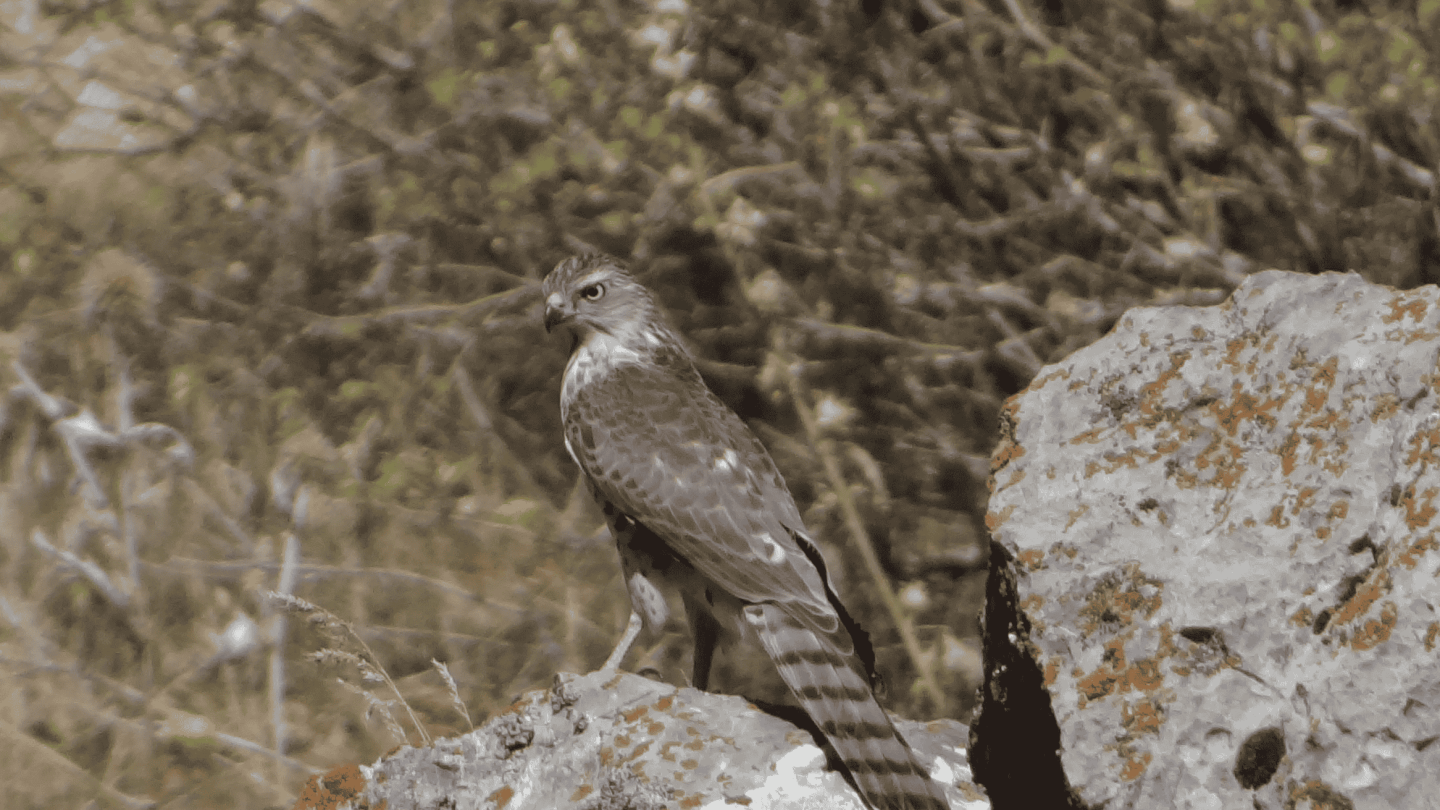

1) Endemic Karatau argali in the Karatau State Nature Reserve. Photo: Karatau State Nature Reserve 2) Snow leopard in the Almaty State Nature Reserve. Photo: Saltore Saparbayev 3) Eurasian sparrowhawk in the Aksu-Zhabagly Nature Reserve. Photo: Smatulla Dzhumanov
This principle was incorporated into the Environmental Code in 2021 and is now considered one of the tools for implementing the Concept for the Conservation and Sustainable Use of Biodiversity until 2035. The next step is to ensure the approach is applied consistently in practice when projects are planned and implemented.

Carbon markets: when forests attract investment
Forests are not just a natural resource - they are also an opportunity to attract additional financing for climate and conservation goals. Carbon markets allow private capital to flow into forest restoration, afforestation and, where the relevant requirements are met, forest conservation projects. Projects that deliver a measurable climate result can issue carbon units following independent verification.
For Kazakhstan this is an opportunity to attract international financing into forestry sector. At the same time, a domestic carbon offsets market is developing, through which companies covered by the national Emissions Trading System (ETS) will be able to use carbon units from eligible forest projects to meet part of their obligations.
The practical foundation for this mechanism is already being built: with BIOFIN’s support, representatives of government, business and the financial sector have received training in developing carbon projects. More than 100,000 hectares of previously unaccounted-for forests have been inventoried in East Kazakhstan and Pavlodar regions, and a further 20,000 hectares have been brought into the system of managed forest areas.


1) Verkh-Ubinskoye Forestry, East Kazakhstan Region. Photo: UNDP Kazakhstan/Nikolai Novikov 2) Kaindy Lake in the Kolsai Koldery National Park. Photo: Mukhamedzhan Samatuly
In 2025, BIOFIN’s proposals were reflected in the Forest Code: registered investors in Kazakhstan can now receive carbon offsets under the ETS, while newly established forests remain state property. To account for the climate impact of such projects, a methodology for calculating greenhouse gas removals in the forestry sector was also developed and approved in 2023.

Reforming subsidies harmful to biodiversity
Agriculture provides employment to around 11 percent of Kazakhstan’s workforce (2025) and receives significant government support. However, some forms of this support, such as subsidies for pesticides and mineral fertilisers, can increase pressure on the environment, contributing to pollinator decline, soil degradation and deterioration of water quality.
BIOFIN is helping improve the subsidy system so that it can support agricultural development while also conserving biodiversity. Proposed measures include introducing environmental criteria into subsidy schemes, gradually phasing out hazardous pesticides, promoting sustainable agricultural practices, and incorporating environmental requirements into government support programmes. This approach can make the agricultural sector more sustainable and make government support more nature-positive.
BIOFIN’s finance solutions are at different stages of implementation: some are already reflected in legislation and applied in practice, while others are being piloted or prepared for launch.
Experience of Kazakhstan shows that conserving biodiversity requires more than public funding and traditional conservation measures. It also requires modern financial instruments that can attract investment and create economic incentives for nature conservation. This approach is at the heart of BIOFIN and forms part of the global agenda on biodiversity finance.


