

 Locations
Fair Play: How UNDP Namibia supported the Media Ombudsman in Boosting Democracy in 2024
June 25, 2025

Outgoing Media Ombudsman, Dr. John Nakuta addressing stakeholders during his round table exit dialogue. Photo credit UNDP Namibia – Dr. John Naukuta Media Ombudsman 2017 – 2025

In 2024, Namibia stood at a pivotal democratic crossroads. With national and presidential elections on the horizon, the United Nations Development Programme (UNDP)Namibia was keen to support the electoral process and opted to make a strategic investment, in the institutions that shape public discourse and democratic participation – the media. Why elections? Why now? Because democracy is not only about ballots, it's about trust, transparency, and an informed citizenry. I was deeply compelled to produce the results expected in my role with UNDP, but instead went on a journey that established new partnerships and connections that I hope will last a lifetime. This blog outlines the journey and lesson learned between June 2024 and June 2025 as the Media ombudsman hosted an exit round table to launch four Thematic Briefing papers from a media monitoring initiative leading up to and beyond the elections in November 2024.
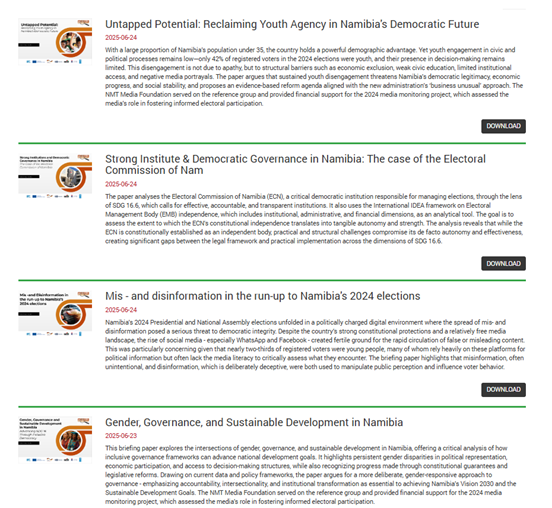
Namibia Media Trust (NMT): Thematic Briefing Papers posted on NMT Website
While working closely with the Media Ombudsman in developing these Thematic Briefing papers, I witnessed firsthand the challenges, breakthroughs, and lessons that emerged from this ambitious initiative.
The Journey: From a Vision to an Exit Roundtable
The project was rooted in collaboration with various partners, from the EU Delegation Namibia, Namibia Media Trust, IPPR Namibia and several other development actors contributing in different ways to the data collection, analysis and publication of the thematic briefing papers. This collaboration epitomized the SDG 17, Partnership for the goals, showcasing expertise and resourcefulness in all spheres.
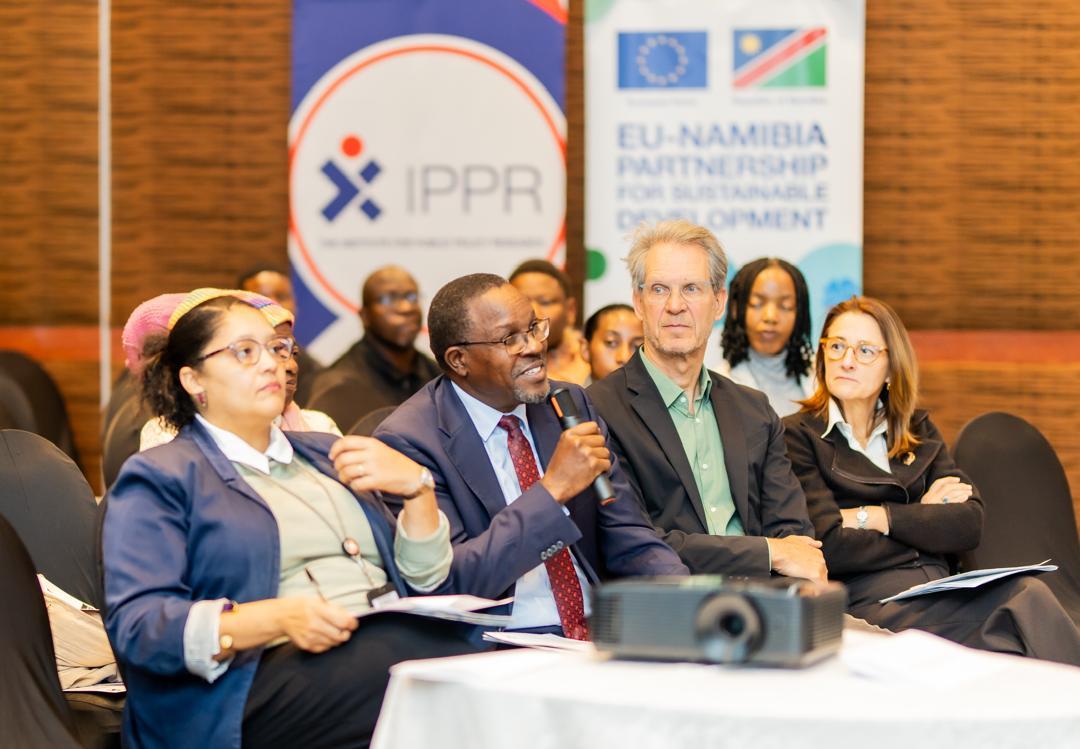
Photo by Namibia Media Trust: Left to Right; Ms. Geraldine A. Itana – GRICE Portfolio Lead UNDP Namibia, H.E. Michael Sialai, Kenyan High Commissioner to the Republic of Namibia, FES Media Namibia and FES Media Africa Director Mr. Hajo Lanz and H.E. Ana Beatriz Martins European Union Ambassador to Namibia
But it was my countless meetings, WhatsApp conversations and phone calls with Dr. John Nakuta, the outgoing Media Ombudsman and his team, that ensured that the four briefing papers aligned with the Sustainable Development Goals (SDGs), especially SDG 5 on Gender Equality and SDG 16 on peace, justice, and strong institutions.
While the process was not smooth, it persevered. The Media Ombudsman’s office faced many challenges, including operational issues, no formal office, a lack of financial protocols, and limited administrative capacity, but we found ways around this. The partnership between the Editors’ Forum of Namibia was established formally and the EFN assumed financial responsibility and carried the project implementation risk for UNDP. Despite these constraints, the project moved forward, thanks to consistent communication and shared commitment from the Media Ombudsman himself.
The results and recommendations
The media is more than a platform for reporting information; it is a critical democratic actor. The project findings showed that while Namibian media generally provided positive coverage of gender issues, women candidates were still often portrayed through stereotypical lenses. There was a lack of analytical depth in political reporting. The recommendations from the Thematic PaperGender, Governance, and Sustainable Development in Namibia, included the need for continued media monitoring, a need for more gender-sensitive reporting training, capacity building for women politicians, and the need to promote more inclusive democratic discourse.
The thematic paper on Mis- and Disinformation in the Run-Up to Namibia’s 2024 Elections highlighted the threat of inaccurate information being spread, especially on social media platforms like X, WhatsApp, and Facebook, which are heavily used by youth voters, increasing their vulnerability. Findings from the briefing paper suggest the need for more multi-stakeholder collaboration, media and information literacy (MIL) education and strengthening fact-checking without compromising freedom of expression.
A Modest but Meaningful Investment
While the financial investment from UNDP Namibia was modest, its strategic impact was significant. It catalysed dialogue, built capacity, and laid the foundation for future reforms in media and electoral governance with clear lessons learned and recommendations for moving forward.
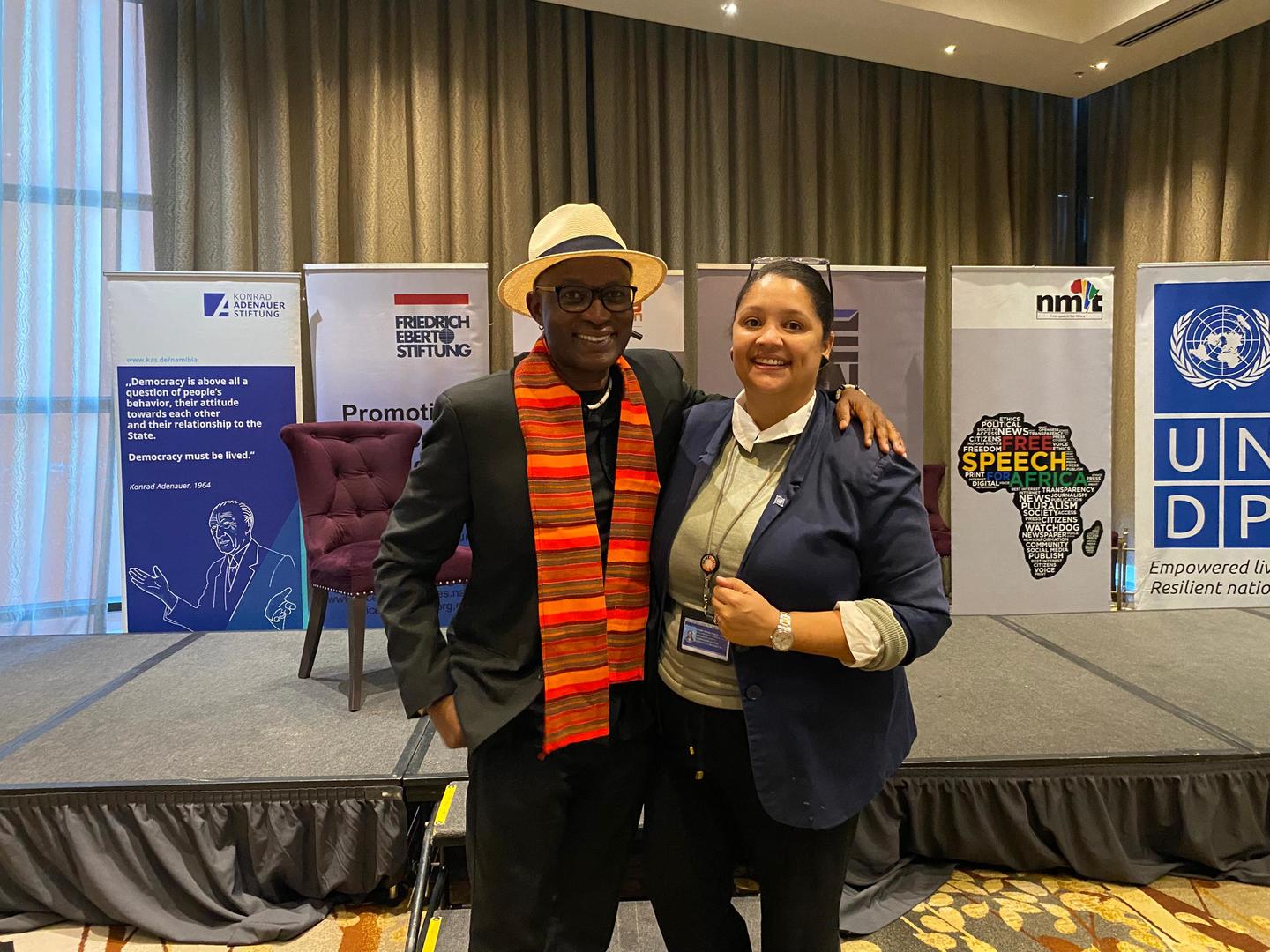
Photo Credit_UNDP Namibia; Dr. Johan Nakuta – Namibia Media Ombudsman 2017 – 2025 and Ms. Geraldine A. Itana – GRICE Portfolio Lead UNDP Namibia
Empowering Citizens, Strengthening Democracy
At its core, this project was about empowering citizens. But it was also a process for self-criticism within the media fraternity on where that “room for improvement lies”. While informed voters are the cornerstone of any democracy. By monitoring media, challenging disinformation, and holding institutions accountable, a bold step was taken toward a more inclusive, transparent, and resilient electoral process in Namibia.
References.
- Namibia Media Trust Website. 2025 https://www.nmt.africa/Media-Centre/Papers
- Desert FM. 2025. https://www.desertradio.fm/podcast/john-nakuta-unpacks-his-time-as-namibias-media-ombudsman/
- NBC News. 2025. https://nbcnews.na/node/111585
- Editors Forum Namibia - Editors’ Forum of Namibia
Author: Ms. Geraldine A. Itana is a Portfolio Program Analyst with the United Nations Development Programme (UNDP) in Namibia, where she leads strategic initiatives under the Governance, Responsive Institutions & Civic Engagement (GRICE) portfolio. Passionate about democratic governance, human rights, gender equality and civic participation, Geraldine plays a key role in strengthening institutional partnerships that promote responsive and accountable governance.
Related
content
content


