

 Locations
Mid-term results of the Sendai Framework for Disaster Risk Reduction in the Kyrgyz Republic discussed
October 13, 2022
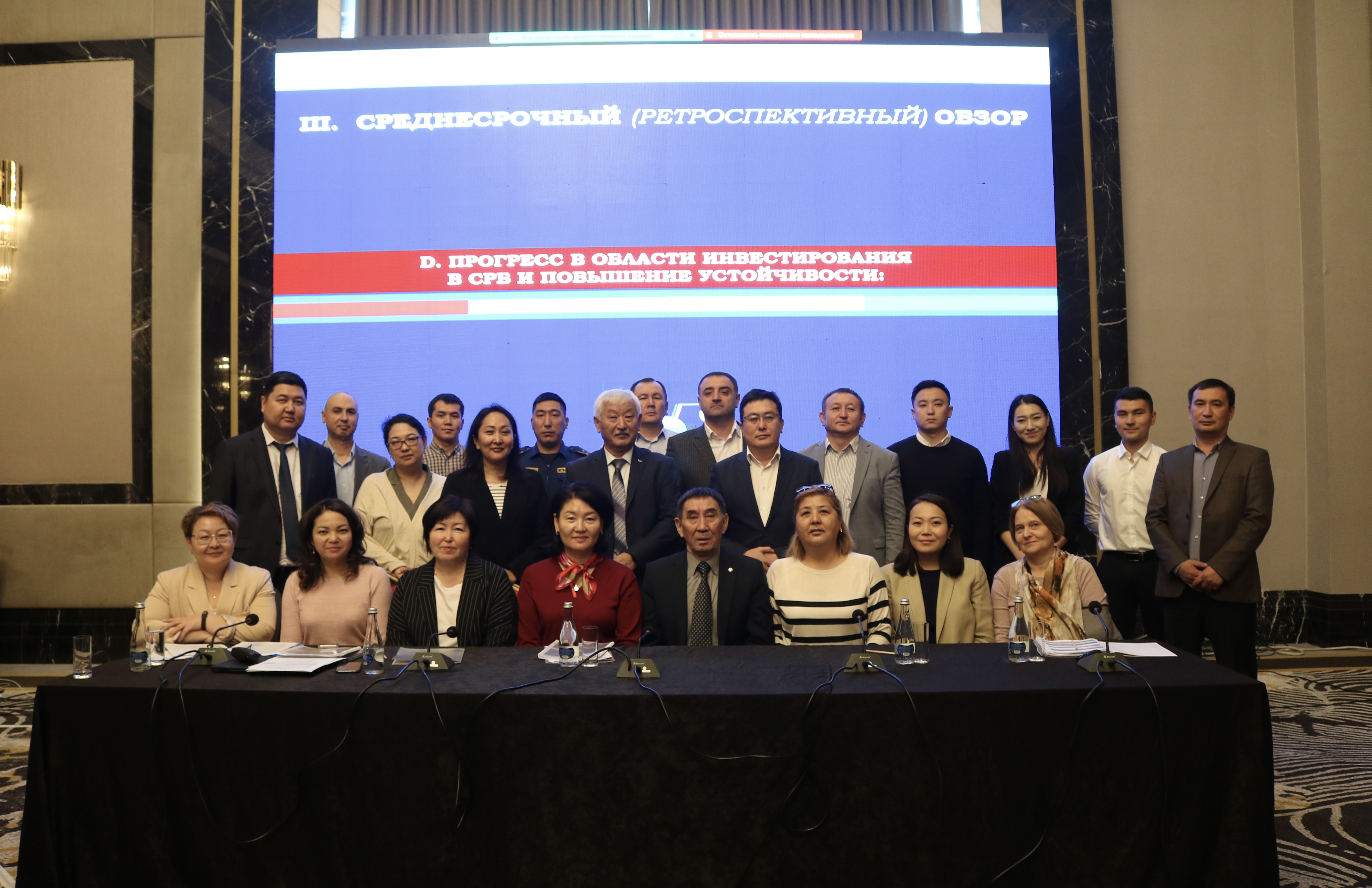
Participants of the expanded meeting to discuss the mid-term review of the implementation of the Sendai Framework for Disaster Risk Reduction in the Kyrgyz Republic
The Ministry of Emergency Situations of the Kyrgyz Republic organized an expanded meeting to discuss the mid-term review of the implementation of the Sendai Framework for Disaster Risk Reduction (DRR) in the Kyrgyz Republic with technical and financial support from WFP, UNDDR, and UNDP in the Kyrgyz Republic. The meeting was attended by representatives of ministries and departments of the Kyrgyz Republic, international and non-governmental organizations, and scientific institutions.
The Sendai Framework for DRR 2015-2030 is a global, voluntary, and non-binding agreement, a coherent, focused, forward-looking, and action-oriented post-2015 DRR framework which recognizes that the State has the primary role to reduce disaster risk but that responsibility should be shared with other stakeholders, including local authorities and the private sector.
2023 marks the midpoint of the implementation of the Sendai Framework. In this regard, the UN General Assembly considered the issue of DRR and, based on the adoption of the Resolution of 21 December 2020, urged the effective implementation of the Sendai Framework and decided to conduct a mid-term review of the implementation of the Sendai Framework to assess progress in integrating DRR into policies, programs and investments in all levels, identify best practices, gaps and accelerate the path towards the 2030 Sendai Framework target.
In March 2015, the Kyrgyz Republic took an active part in the work of the Third UN World Conference on DRR, where it approved and assumed voluntary commitments to the practical implementation of the Sendai Framework for DRR for 2015-2030 and reaffirmed its firm intention to ensure that the issues of reducing disaster risk management and disaster resilience building were addressed as a matter of priority in the context of sustainable social and economic development.
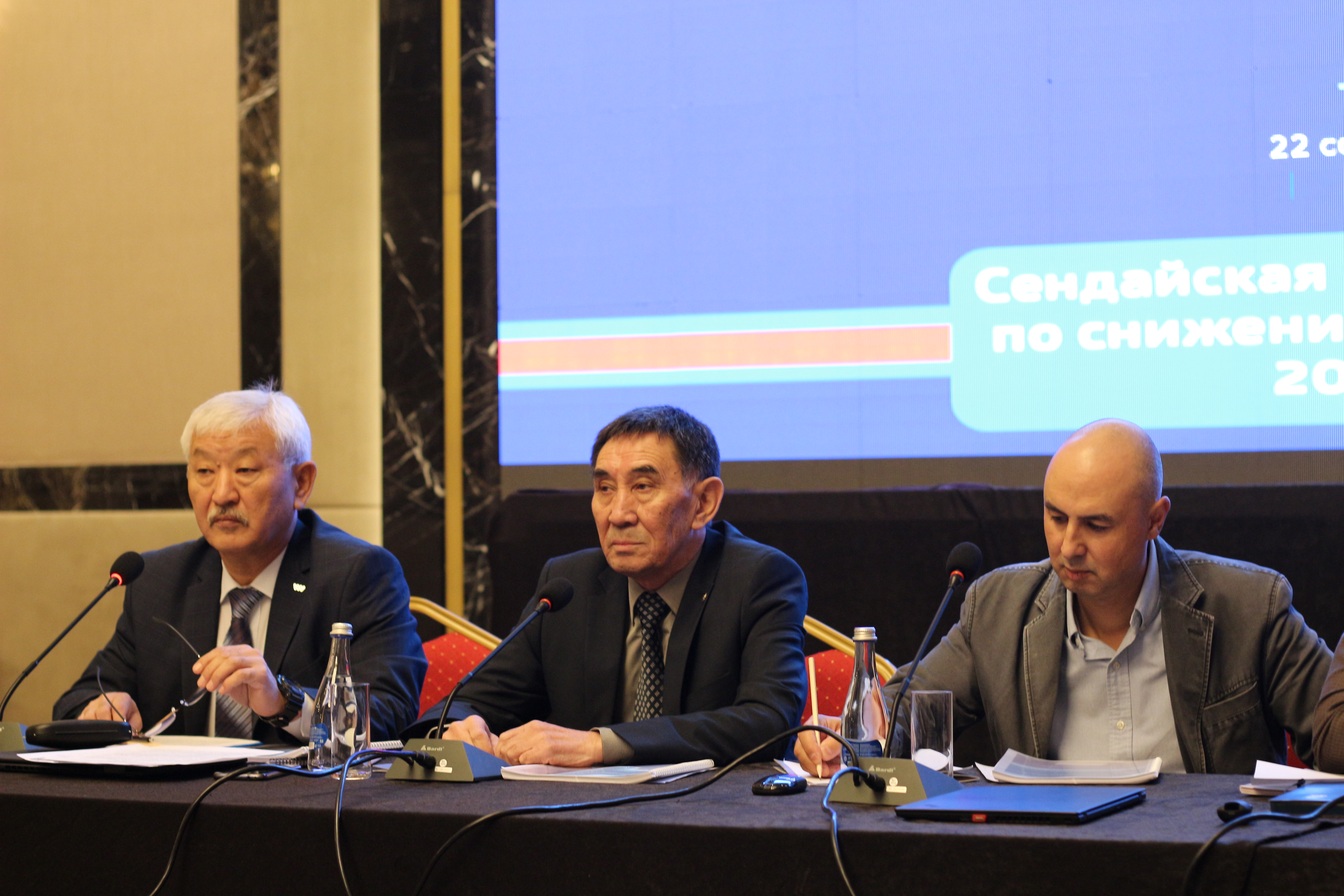
Almabek Aidakeev, Head of the Secretariat of the National Platform for DRR of the Kyrgyz Republic, emphasized that addressing the issues of disaster risk reduction in a changing climate should be comprehensive, taking into account future threats and dangers, developing new forecasting and response methods: “Supporting the Sendai Framework Program, we began to change the legislation and the policy of the country, DRR issues were introduced into the State system of civil protection, and the process of transition to risk management instead of liquidation of the consequences of emergencies was intensified. It's a huge piece of work."
In order to achieve the goals, objectives, expected results, and priorities of the Sendai Framework Program for DRR, the Government of the Kyrgyz Republic adopted the "Concept for the comprehensive protection of the population and territories of the Kyrgyz Republic from emergencies for 2018-2030", which is carried out on the basis of the phased Action Plans for the implementation of the Concept. This Concept affects the activities of all involved and interested parties, in particular, state bodies, local governments, civil society, and the private sector, and is also an official confirmation that the issue of disaster risk reduction is becoming the basis of state policy in the field of civil protection.
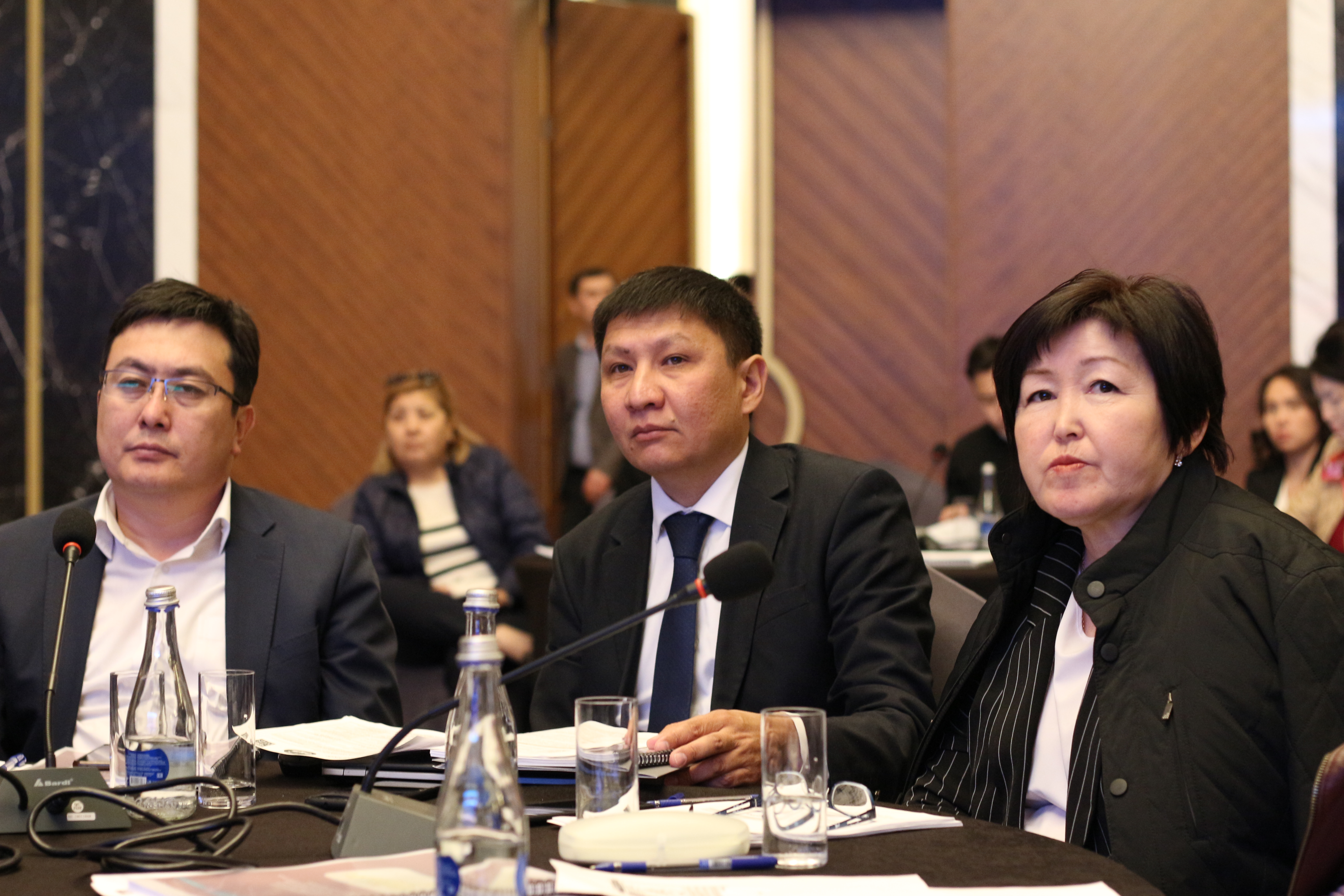
The voluntary mid-term review of the Sendai Framework for DRR reflects the concrete outcomes, progress made, and challenges faced in implementing the Sendai Framework for Disaster Risk Reduction as of 2022.
According to the results of the preliminary assessment, progress has been made on indicators 6 of the 7 recommended targets of the Sendai Framework for DRR, which demonstrates positive developments in the policy and practice of disaster risk reduction in Kyrgyzstan.
The voluntary mid-term review of the implementation of the Sendai Framework for DRR will be further discussed with the interagency working group, international organizations, and academic institutions. The UN will continue to support the Ministry of Emergency Situations in this process.


