
 Locations
Elections bring change and hope in Nepal
“This time I voted for the new.”
March 18, 2026
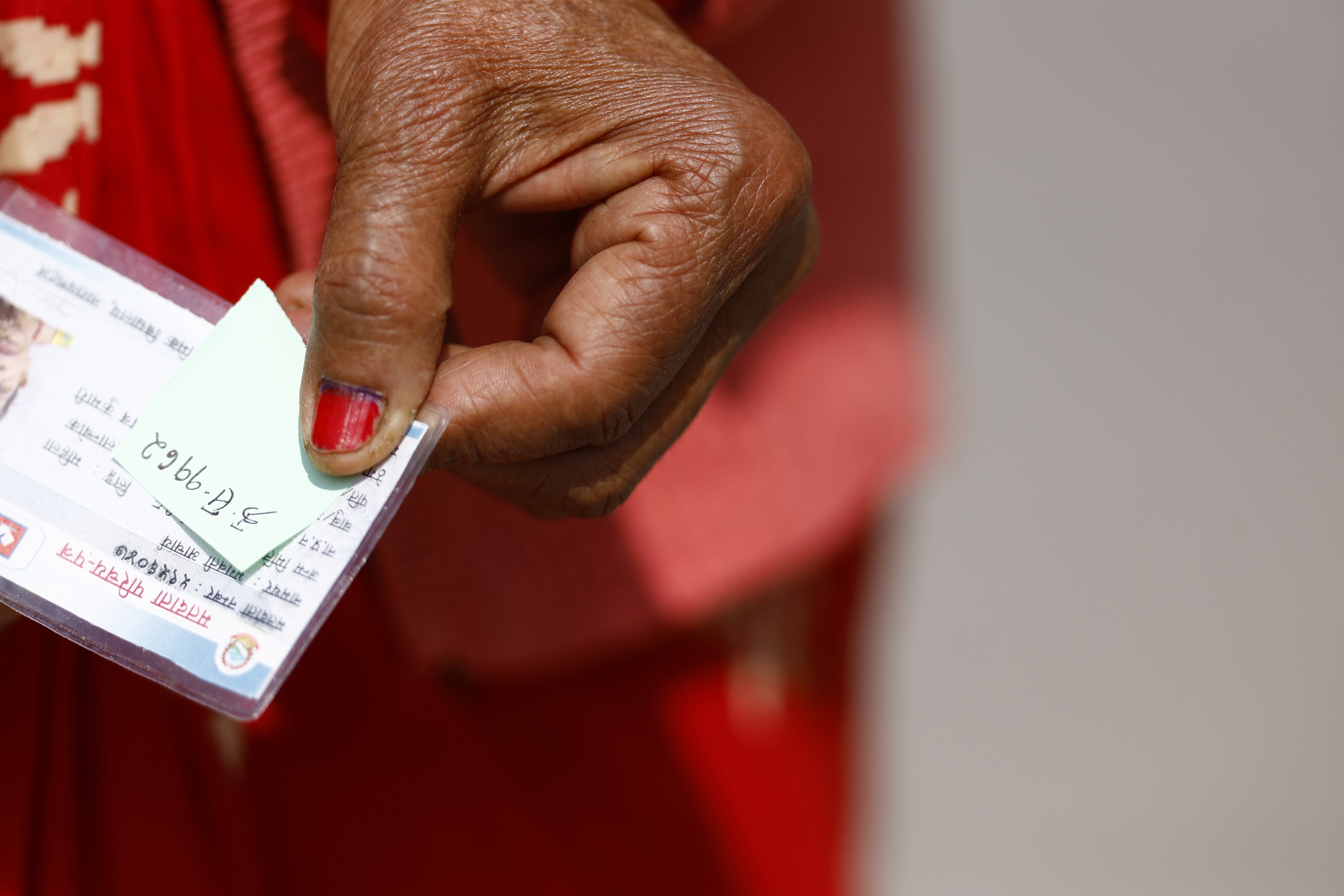
Hundreds of thousands of Nepalis voted for the first time for the country’s House of Representatives.
Photo: UNDP Nepal
Driven by a new generation, Nepal’s elections marked a pivotal moment for democratic participation, with UNDP bringing its governance expertise to support the process.
Until recently, Swastika Raj Bhandari doubted whether voting could really change anything.
Growing up in Baluwatar, Kathmandu, the 18-year-old had watched elections come and go with little sense that they affected her daily life. That changed after last September’s “Gen Z movement” when thousands of young people took to the streets to protest corruption and poor governance.



On 5 March, Swastika cast her vote for the very first time at a polling station in her neighbourhood, joining nearly hundreds of thousands of new voters electing the House of Representatives. For many young citizens, the polls were not just snap elections, but a moment of renewing their engagement in shaping Nepal’s future.
“The Gen Z movement made me feel that we should vote too.”— Swastika Raj Bhandari
The elections followed a turbulent period. Protests in September last year had left at least 77 people dead and led to an interim government, the dissolution of the House of Representatives and snap elections. Against this backdrop, restoring public trust in democratic institutions was critical.
Led and administered by the Election Commission of Nepal (ECN) and organized in less than six months, the polls showed Nepal’s leadership in steering an uncontested electoral process. The efforts were supported by the governments of Australia, the UK and Norway. Domestic and international observers, including the National Human Rights Commission and the Asian Network for Free Elections, assessed the polls as free, orderly and largely meeting international standards.
Rewati Dhimal said she hoped her vote would contribute to positive change. “I have always voted for the old parties, and have not felt any change,” she said. “This time I voted for the new, I hope they bring some positive changes in our lives.”

The successful elections followed a turbulent period. Protests in September had left at least 77 people dead and led to an interim government.
Photo: UNDP Nepal

Nepalese votes reshaped parliament. Seventy six percent of first-past-the-post seats were won by candidates who had never held electoral office.
Photo: UNDP Nepal
Supporting inclusive and informed participation
In the months leading up to the elections, UNDP, as part of the broader United Nations effort, worked with the Election Commission of Nepal (ECN) to help strengthen institutional capacity, promote inclusive participation and expand voter education, key ingredients for peaceful and credible polls.
Narayan Prasad Bhattarai, Joint Secretary and Spokesperson of the Election Commission of the ECN highlighted in a press conference just after the elections the importance of this collaboration. “The UN, especially UNDP and UN Women, were key to making the election a success. From supplying heavy-duty printers for voter list preparation to aiding in the strategic communication of the commission through the UNDP eMonitor+ social media monitoring tool, the UN’s partnership has been instrumental in strengthening the electoral process.”
UNDP and UN Women launched a joint digital voter education campaign to share clear, credible and accessible electoral information on social media. The campaign helped reach young voters and urban audiences who increasingly rely on digital channels for news and civic information.
To address the growing risks of online disinformation and toxic discourse, UNDP deployed eMonitor+, a cloud-based monitoring tool developed by UNDP and used in elections across the world. By analyzing publicly available online content, it enabled the Election Commission to identify potential disinformation, hate speech and harmful narratives related to the electoral process. This allowed authorities to respond with timely and accurate information while respecting user privacy.
UNDP mobilized online volunteers to amplify voter education messages through their own social media networks, using materials developed by the Election Commission. This helped expand the reach of official election information and encouraged youth participation.
Recognizing the influence of online voices, UNDP also supported the ECN’s engagement with social media influencers, helping develop social media messages and organizing a live event with well-known Nepali digital creators to promote informed and peaceful participation.
Creating space for dialogue
UNDP partnered with the Society of Economic Journalists Nepal to organize the Political Manifesto Dialogue Series 2026. It provided political parties contesting under the proportional representation system with an equal platform to present their policy priorities to the public.
Focusing on two key national priorities—economic governance and women’s economic empowerment—the dialogues were broadcast nationally through television, digital platforms and community radio networks, reaching both urban and rural audiences in the millions.
Kyoko Yokosuka, Resident Representative of UNDP Nepal, said: “This was a very important election for Nepal. The country chose a peaceful, constitutional way to resolve tensions, reflecting a shared commitment across generations to uphold democratic norms. We were honoured to contribute, working closely with the Election Commission of Nepal, by strengthening the foundations of credible elections: access to reliable information, strong institutions, and public confidence in the process.”

UNDP mobilized online volunteers to amplify voter education messages through their own social media networks, using materials developed by the Election Commission.
Photo: UNDP Nepal
New parliamentarians
Voters used the ballot box to reshape political representation. Seventy six percent of first-past-the-post seats were won by candidates who will become first-time new MPs, and at least 55 MPs under the age of 40, around 33 percent, were elected, a dramatic rise from 11 percent in 2022.
For many voters like Swastika and Rewati, the outcome marked a transition from civic mobilization to representation, laying the groundwork for democratic engagement that will promote institutional change.

Led and administered by the Election Commission of Nepal and organized in less than six months, the polls showed Nepal’s leadership in steering an uncontested electoral process.
Photo: UNDP Nepal
As the United Nations’ largest provider of electoral assistance, UNDP supports more than 50 countries each year in strengthening democratic institutions across the entire electoral cycle—before, during and after. In Nepal, this partnership focuses on strengthening voter education, promoting information integrity and expanding participation among women, youth and marginalized communities—helping ensure that democratic processes remain inclusive, credible and trusted.
Related
content
content


