

 Locations
Uasei: Açaí Production by the Book
August 6, 2026
Between 2 and 9 July, a VIDS delegation traveled to Brazil for talks on cassava disease and beyond. Their first stop: Uasei, an indigenous production facility that tells a compelling story of resilience and innovation.

At first glance, Uasei looks deserted. Nestled along the BR-156 highway, just five kilometers from town, the facility stands quiet under the sweltering heat and humidity of the Amazon. To the casual passerby, it might seem like another dormant outpost. But appearances deceive. Uasei—the indigenous word for açaí (podosiri)—has been a beacon of bio-economic development for indigenous communities since 2021, built on the pillars of sustainability, cultural pride, and economic independence. Associação Uasei dos Povos Indígenas de Oiapoque – Equator Initiative

"The açaí season in Brazil runs from March to July," explains Diése Felicio, the plant coordinator, as the delegation gathers around him. "Communities work on a rotation system, ensuring everyone gets a turn to supply. After three weeks, the next community steps in to deliver, wash, and process the berries into pulp. Once the season ends, the space transforms into a hub for health workshops and educational training."
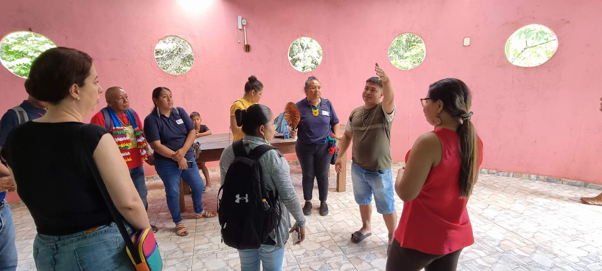
Data at the Heart of Production
A tour led by the manager—now in his second term—reveals a meticulous approach to production and quality control. Staff handling incoming açaí are strictly barred from entering the washing and sterilization zones. The same rule applies to processing and cold storage areas. "Uasei was designed by a food scientist," Felicio points out, "and our operations are fully registered with the Ministry of Agriculture."

Perhaps the most striking takeaway is the facility's data-driven ethos. Everything is tracked—tree counts, output volumes, yields. This commitment to documentation, combined with collective decision-making, transparent leadership, and strong community ties, has been key to Uasei's success. Yet Felicio, a Palikur indigenous leader, acknowledges that peak production has declined. "Deforestation and climate change are likely factors," he says, "though other parts of the Amazon are faring even worse."

The knowledge-exchange mission was made possible by the UNDP project "Women-Led Indigenous Action Against Cassava Witches' Broom Disease," funded by the New Zealand Government's High Commission Fund. The initiative seeks to empower indigenous communities in Suriname—especially women farmers—to detect, prevent, and manage Cassava Witches' Broom Disease through practical, grassroots action. A series of short dispatches will continue to cover the mission's activities on the ground.