

 Locations
CCM Suriname builds capacity to strengthen support for key health programs
January 16, 2026
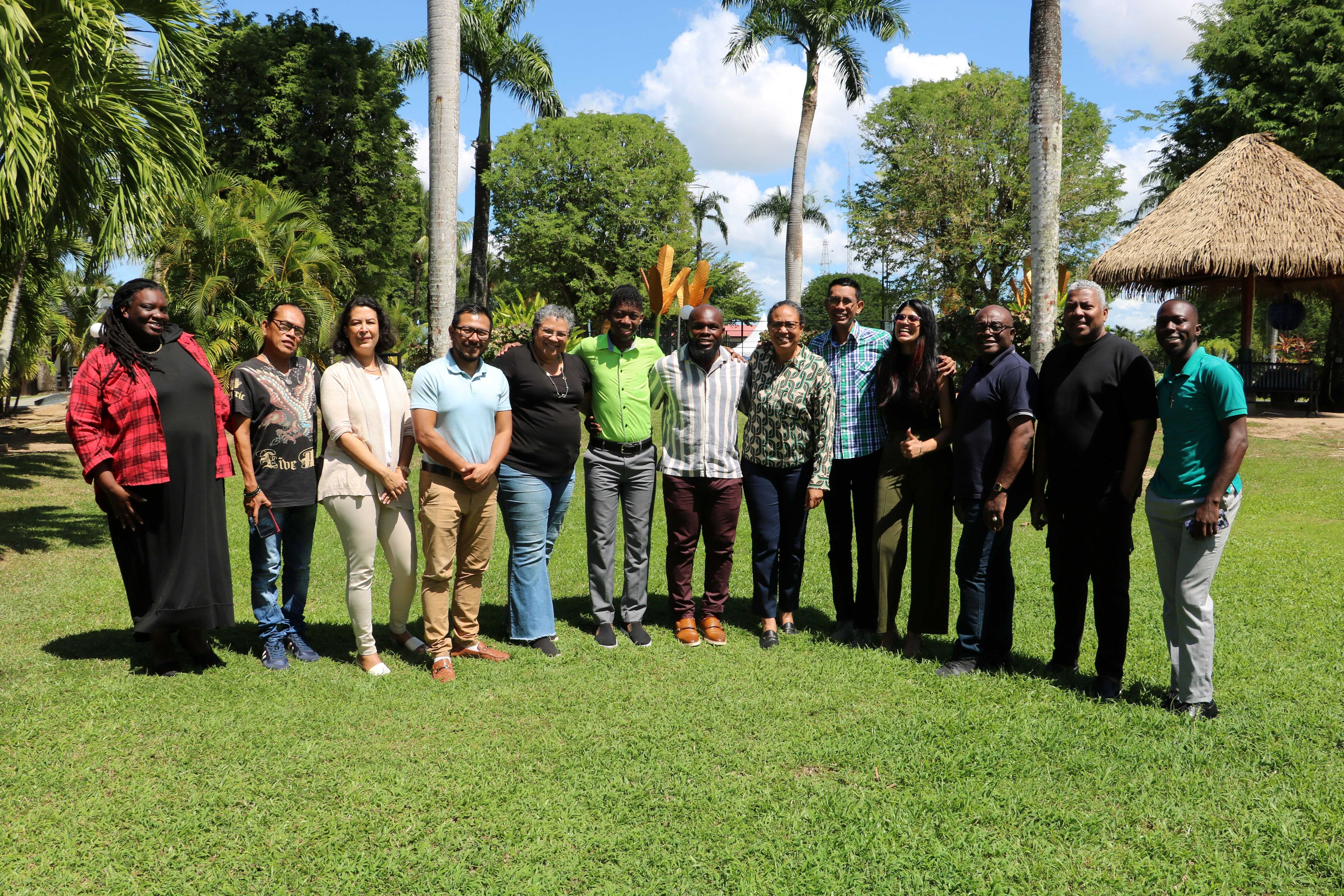
CCM Suriname Secretariat has initiated intensified efforts to strengthen the Country Coordinating Mechanism (CCM), a national multi-stakeholder platform that oversees the implementation of Global Fund grants in Suriname. The CCM is composed of representatives from government, civil society, the private sector, multilateral organizations, and affected communities to ensure that health programs are inclusive, transparent, and impactful. Daniela Rosario, Chair of the CCM, explained: “We have established structures to ensure accountability and proper support for target groups, particularly young people and other vulnerable populations.”
The CCM plays a central role in providing subsidies and resources through the Global Fund to support key populations and community programs. Over the past year, the CCM has worked to ensure these investments meet the actual needs of communities. “We are not only implementing programs; we are also monitoring their impact and making sure that the interventions are relevant and accessible,” Rosario added.
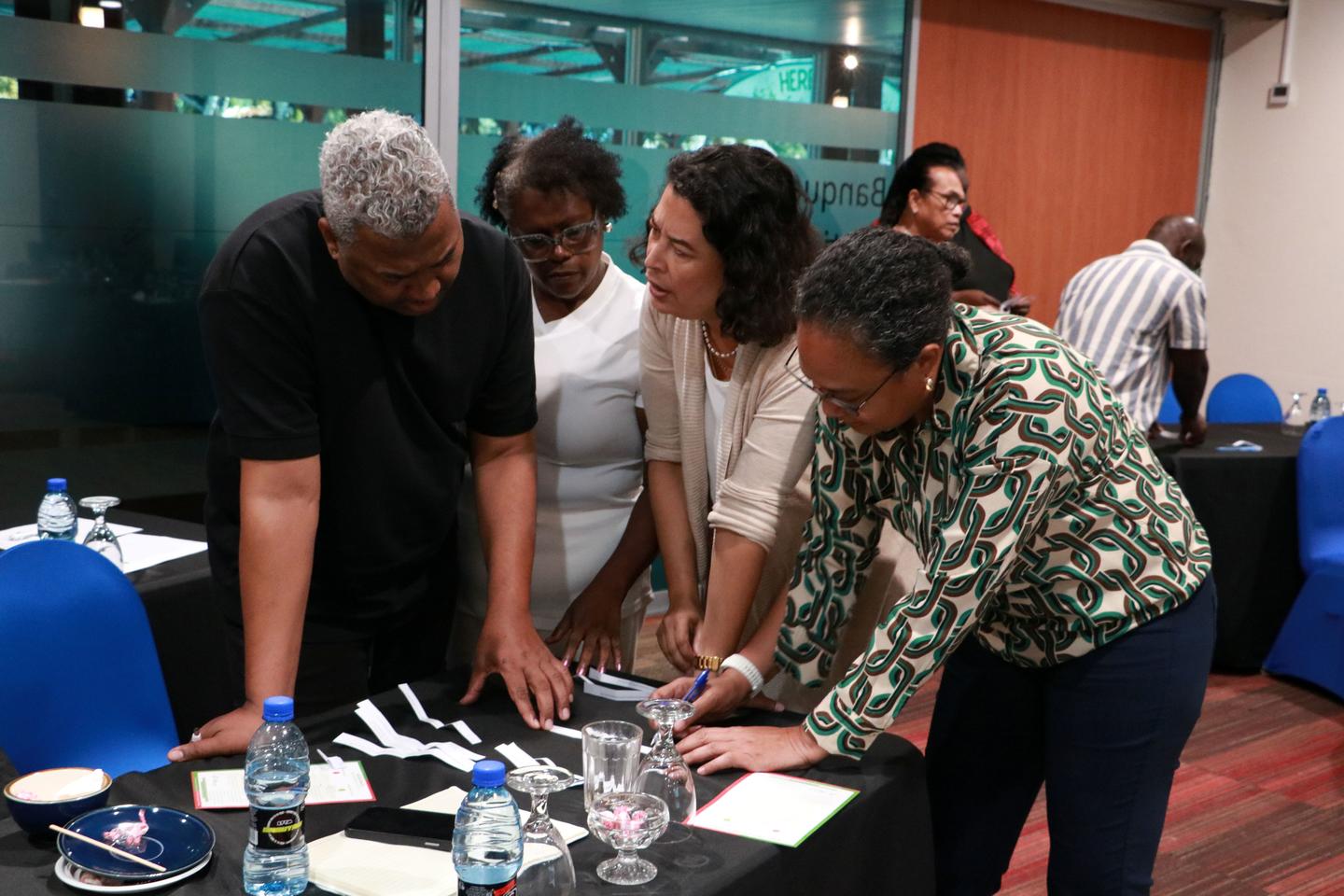
Recently the CCM organized a capacity strengthening session with its members to contribute to the development of strategic plans for the coming years.

The United Nations Development Programme (UNDP) provides technical and logistic support to the CCM by facilitating its Secretariat, and supports strengthening governance, coordination, and capacity-building for program implementation. Through this partnership, Suriname ensures that investments from the Global Fund are aligned with national priorities and effectively reach key populations.
Looking ahead, the CCM remains committed to deepening engagement with communities, reducing stigma, and ensuring that health interventions remain relevant, accessible, and sustainable. “Over time, we see increasing openness and support from society. Communities are more inclusive now, and key populations can engage beyond their immediate networks,” Rosario explained.
The CCM plans to deepen its efforts in strengthening coordination and engagement with target groups with a focus on elimination of new Malaria and HIV infections. The current Global Fund-supported program consists of two grants (HIV-grant and Malaria grant) running until end of 2027, with preparatory work for the next cycle expected to begin in late 2026. Succession planning is also a key focus, ensuring that local institutes will take full responsibility of the elimination of Malaria, HIV and Tuberculosis.

In short, the CCM serves as Suriname’s national platform to facilitate investment, ensure accountability, and support programs that address the country’s most pressing health challenges with regards to HIV, Tuberculosis and Malaria. By bringing together stakeholders from all sectors and with the logistical support of UNDP, the CCM ensures that interventions are relevant, effective, and sustainable for all key populations and the whole community.
Related
content
content


