Locations
Combating Climate Change through the Promotion and Application of Sustainable Biomass Energy Technologies in Pakistan
Project Summary
Energy insecurity remains a major barrier to sustainable rural development in Pakistan. Limited access to clean energy, unsustainable fuelwood use, and rising greenhouse gas (GHG) emissions are increasing environmental degradation and socio-economic vulnerability.
The Promotion and Application of Sustainable Biomass Energy Technologies in Pakistan (PASBET) project introduces renewable energy solutions by promoting the sustainable production and efficient utilization of woody biomass. By supporting decentralized biomass-based energy systems, the project aims to power rural households and industries, improve livelihoods, reduce emissions, and strengthen community resilience.
PASBET is structured around four areas: strengthening policies, expanding woody biomass production on farms and forested lands, mobilizing finance, and building local capacity through inclusive approaches. Aligned with national priorities and the Sustainable Development Goals 7 and 13, the initiative will help advance clean energy access, rural development, and climate resilience in Pakistan.
Objectives
- Advance clean energy access in rural Pakistan by promoting woody biomass as a renewable alternative, reducing greenhouse gas emissions and environmental degradation.
- Create an enabling environment through stronger policies, institutional support, and financing solutions that encourage investment in sustainable biomass energy technologies.
- Expand the use of innovative biomass technologies to boost efficiency in energy generation, strengthen rural livelihoods, and support small industries.
- Build local skills and knowledge with inclusive capacity-building initiatives, ensuring women and marginalized groups play an active role in the planning, operation, and long-term sustainability of biomass energy systems.
Outcomes
- Detailed resource assessments, feasibility studies, and supply chain analyses conducted, covering production trends, consumption, and pricing, to guide sustainable woody biomass planning.
- A national roadmap, alongside technical and policy guidelines, developed to successfully mainstream biomass energy in forestry, agriculture, and non-energy sectors.
- Energy-integrated development plans piloted across eight selected towns across Punjab, Sindh, Khyber Pakhtunkhwa, and Balochistan to demonstrate scalable models.
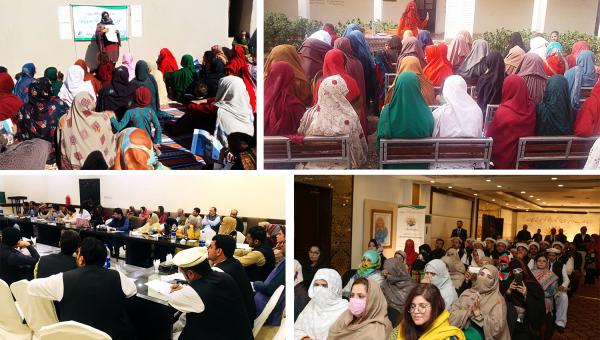
- Woody biomass-based energy technologies successfully showcased at four project sites, complemented by capacity-building, awareness campaigns, and gender-responsive training.
- Village-level gender assessments carried out to identify specific needs, address social and cultural barriers, and ensure inclusive participation in biomass energy initiatives.
Project Brief