Locations
Global Biodiversity Framework Early Action Support
Project Summary
Biodiversity loss is a global crisis that fundamentally threatens both the planet and human well-being. The post-2020 Global Biodiversity Framework (GBF), established through the Kunming Declaration at Conference of the Parties (COP-15), provides a global roadmap with 23 targets and 10 milestones to achieve the 2050 Vision of ‘Living in Harmony with Nature.’
The GBF Early Action Support (GBF-EAS) project supports GEF-eligible Parties to the Convention on Biological Diversity (CBD) in the crucial early step of aligning their National Biodiversity Strategies and Action Plans (NBSAPs) with the GBF.
By providing financial and technical support, the project enables countries to strengthen their national targets, improve monitoring systems, ensure policy coherence, and boost finance readiness. This work integrates biodiversity across all sectors, engages society, and helps reform economic and financial systems to properly value nature. The project empowers countries to implement GBF-aligned NBSAPs, safeguarding ecosystems and contributing to a sustainable, nature-positive future.
Objectives
- Advance national readiness by updating and aligning biodiversity targets and NBSAPs with GBF goals, ensuring planning is inclusive and gender-responsive.
- Strengthen policy and institutions while enhancing cross-sectoral coordination to mainstream biodiversity across all key economic and development sectors.
- Improve monitoring and reporting systems, aligning them with GBF indicators and building necessary institutional and technical capacity at federal and provincial levels.
- Mobilize finance by developing biodiversity finance strategies, identifying resource needs, and supporting the mobilization of financial resources for effective GBF implementation.
Outcomes
- Reviewed and aligned NBSAPs with the post-2020 GBF, 2030 targets, 2050 vision, and relevant SDGs to ensure national priorities reflect global commitments.
- Strengthened biodiversity monitoring and reporting systems, addressed gaps, and improved transparency frameworks aligned with GBF indicators and the CBD.
- Harmonized policies and institutional frameworks across sectors – agriculture, forestry, water, fisheries, livestock, and climate to integrate biodiversity into development and climate strategies.
- Assessed financing needs and gaps, identified opportunities for resource mobilization, and developed national biodiversity finance plans and investment frameworks in line with UNDP’s BIOFIN initiative.
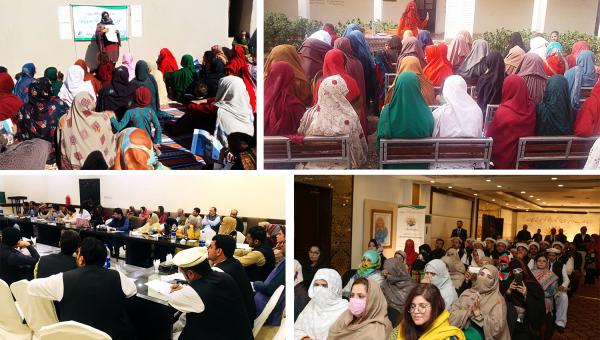
- Conducted national and provincial consultations, built institutional and technical capacity, and promoted inclusive, gender-responsive biodiversity planning supported by technical guidance and knowledge sharing.
Project Brief