
 Locations
Restoring mangrove forests in The Bahamas
Recovering a key coastal defence
July 24, 2026

Climate change, coastal development, land reclamation, pollution and rising temperatures are increasingly destroying the natural mangrove forests which traditionally protect The Bahamas.
Photo: Getty Images/2Mmedia
When storms inevitably roar through the active hurricane corridor of the Caribbean, coastal communities with intact mangrove forests will almost certainly witness dangerous storm surges miraculously neutralized.
Below water, a tough fortress of mangrove roots breaks the power of the surge, serving as a natural ally for flood prone communities.
But climate change and manmade activities are increasingly destroying this natural coastal defence.
Climate defenders of The Bahamas, a country located in the direct path of the hurricane corridor, are understandably worried.
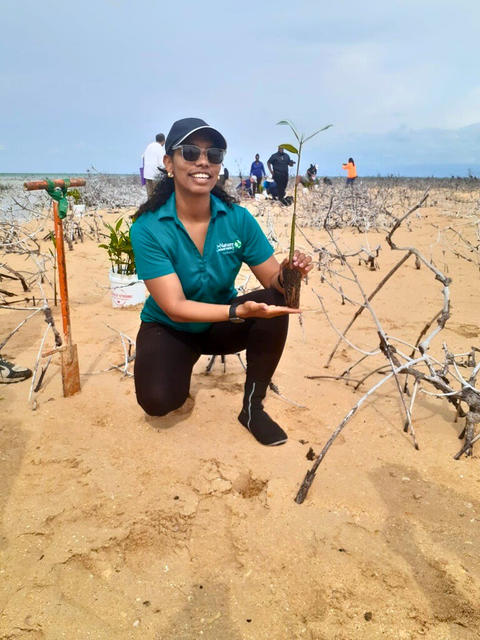
Jewel Beneby, Conservation Practitioner, The Nature Conservancy. Photo: The Nature Conservancy
"Mangrove ecosystems are among the most important environments in The Bahamas. They form the foundation of our marine life, support livelihoods, and serve as our first line of defence when hurricanes and storms hit."
— Jewel Beneby, Conservation Practitioner, The Nature Conservancy
Above water, native birds perch on their branches in a carnival of colour, from which they balance the mangrove ecosystem, pollinate flora and enrich biodiversity. Birdwatchers visit from all over to observe natives like herons, egrets, shorebirds, songbirds and migrants like the yellow warbler.

Annually, 1-2 percent of The Bahamas tourists visit specifically for birdwatching. Another 5-8 percent are incidental birdwatchers, experiencing natural diversity while on eco tours.
Photo: Shutterstock
Mangroves represent food on the table, livelihoods and income that support families across the archipelago.
But all of this is at risk. The accelerating impacts of climate change are increasing the frequency and intensity of hurricanes, causing sudden, catastrophic damage to mangroves. In 2019, the worst fears of environmentalists like Jewel were realized. In the wake of Category 5 Hurricane Dorian, 40 percent of the mangroves on Abaco were damaged and destroyed and a massive 73 percent on Grand Bahama.
Here's some perspective: Mangroves on Abaco and Grand Bahama stretched across the equivalent of 29,000 football fields or 32,000 hectares.
Pre-Dorian, the Perry Institute for Marine Sciences confirms mangrove losses were 5-10 percent, driven by coastal development, dredging and land reclamation, pollution, sea level rise and rising temperatures.

A 2017 report confirms that Caribbean mangroves have declined by 24 percent over 25 years, largely driven by manmade issues.
Photos: Getty Images Left: Matt Potenski | Right: Marlonie
The combined loss of tens of thousands of hectares removed coastal defences, destroyed seafood sources and fisheries on which livelihoods depend and disturbed the delicate ecosystem.
In supporting a resilient recovery from Hurricane Dorian, the GEF Small Grants Programme (SGP), implemented by UNDP, partnered with The Nature Conservancy (TNC) to back The Bahamas Mangrove Alliance (BMA).
With the Perry Institute for Marine Sciences, Bonefish & Tarpon Trust and Waterkeepers Bahamas in the lead, a major civil society intervention targeted a damaged area covering 146 hectares. Teaming up with an army of 500 volunteers from surrounding communities, and a near equal number of men and women working side by side, they aimed to collect and replant 100,000 mangrove seedlings, or propagules.


More than 220,000 mangroves were replanted across Abaco and Grand Bahamas marking a renewed start for mangrove forests.
"The Bahamas Mangrove Alliance engaged countless communities across Grand Bahama Island and Great Abaco Island to source hundreds of thousands of mangrove propagules. They assisted partners in maintaining mangrove plant nurseries, and coordinated planting exercises frequently on each island," said GEF SGP National Coordinator Deon Stewart.

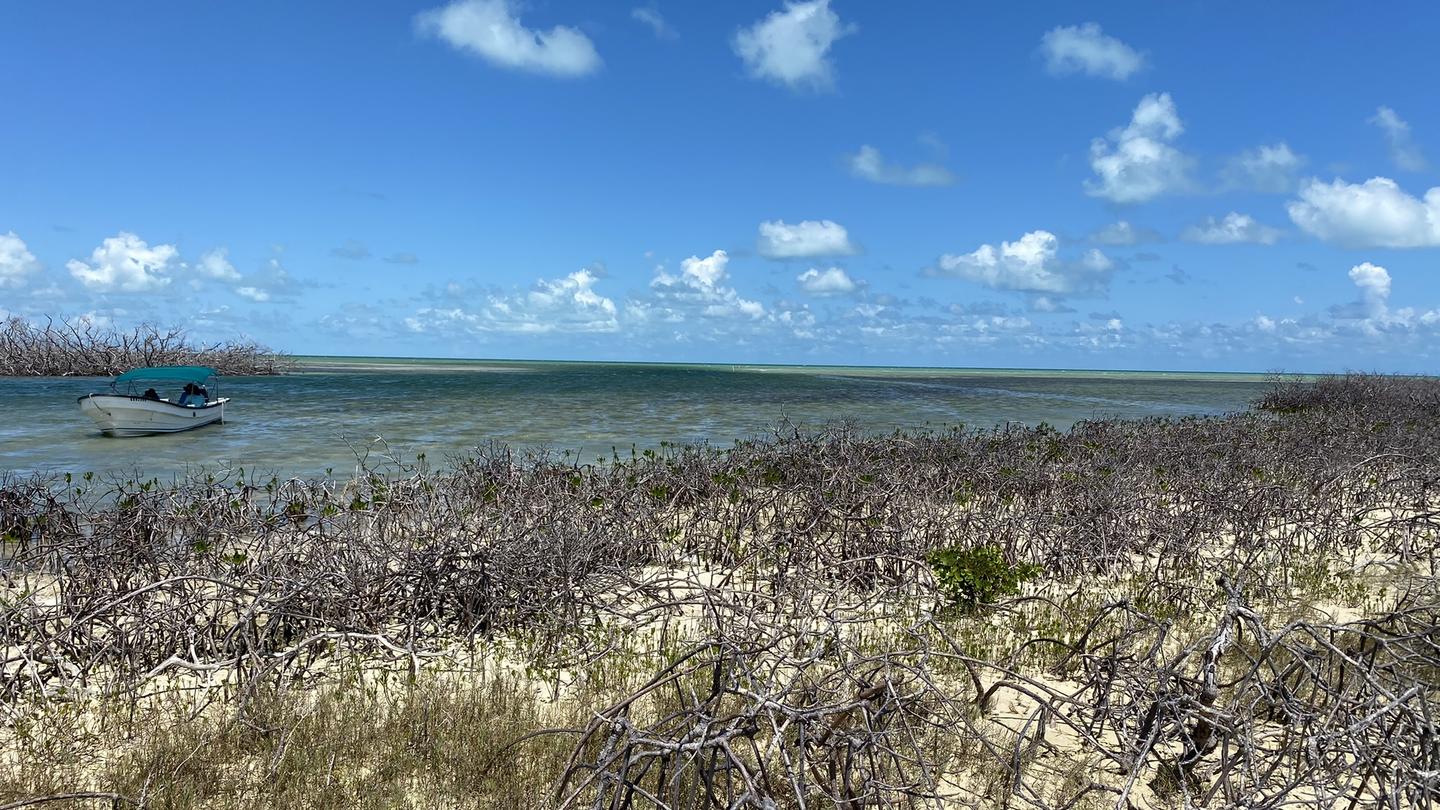


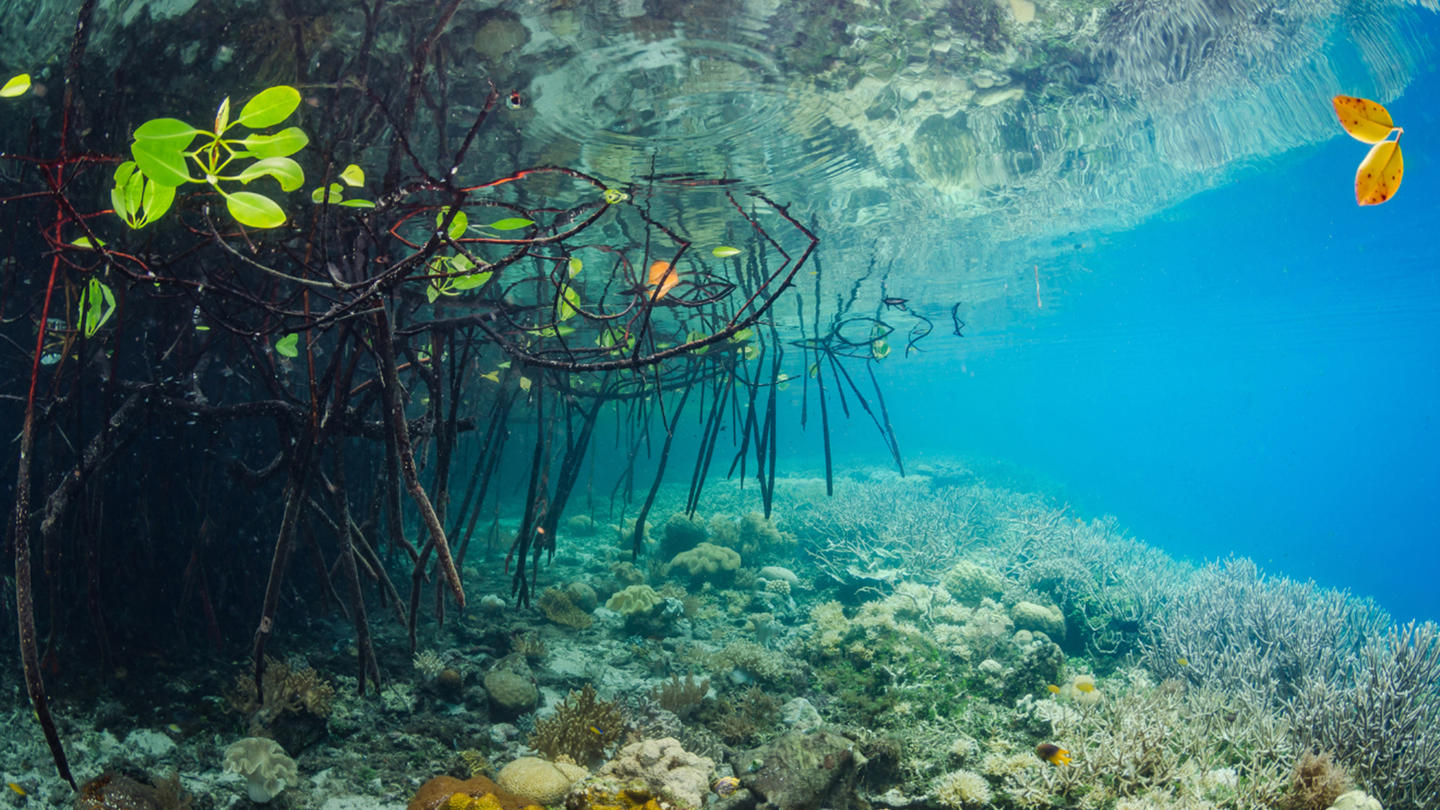


Distribution of educational and training materials including mangrove kits and a website resource passed on critical knowledge in mangrove restoration. Today, nearby communities are empowered to steward the ecosystems that protect their homes, sustain fisheries and shield coastlines from future storms.
More than 2.000 people are expected to benefit from improved livelihoods and wellbeing, a direct result of the restoration of mature mangroves.
With new nurseries, enhanced youth engagement, and community driven monitoring, the initiative is rebuilding key wetlands while strengthening local resilience for generations to come.
And a total 1,000 hectares of mangroves has been mapped, setting the stage for continuous monitoring.

GEF SGP National Coordinator Deon Stewart. Photo: GEF SGP
"Helping mangroves recover from Hurricane Dorian produced significant results and exceeded all expectation through the hard work of community volunteers and unprecedented collaboration by various civil society Organizations," said Deon Stewart.
"With the overall engagement of hundreds of youth--male and females from across the country--the BMA has sparked a sustainable community action that is invaluable and will pay dividends for generations of people."
“We are grateful for the collaboration with GEF SGP Bahamas that allowed the Northern Bahamas Mangrove Restoration Project partners to expand and accelerate their restoration efforts working with local communities,” said Marcia D Musgrove, Director, Northern Caribbean Program, The Nature Conservancy. “By combining philanthropic and public funding we were able to mobilize more resources to places that needed it most to help nature recover and sustain livelihoods in tourism and fisheries that depend on healthy marine ecosystems.”
More than 642 000 seedlings have been transplanted across 445 hectares of mangrove spanning 196 sites, based on the collective efforts of various partnerships and campaigns. According to the BMA, 51 percent of Grand Bahama's mangroves have been restored and 49 percent of Abaco’s.

Updated figure from the digital tracking tool and dashboard from The Bahamas Mangrove Alliance.
Since 2009, the UNDP implemented GEF SGP in The Bahamas has granted more than US$2.9 million to 44 local NGOs, with an equal amount in co-financing, for a total of $6.4 million to climate projects. Globally, the value of GEF SGP investments tops 400 million with co-financing doubling the total value of grants to NGOs.
Related
content
content


