

 Locations
People behind nature finance
July 16, 2026

Effective nature conservation depends not only on sustainable financing but also on qualified professionals who can plan, manage and allocate resources effectively to achieve lasting results.
This principle has guided the United Nations Development Programme (UNDP) in Kazakhstan. Through the Biodiversity Finance Initiative (BIOFIN), UNDP has been strengthening the capacities of professionals across the country's conservation sector while supporting the development of sustainable financing mechanisms for biodiversity conservation.
As public investment in biodiversity conservation has increased, so too has the need for skilled financial professionals capable of planning, managing and allocating resources effectively across Kazakhstan's protected area system.
A Platform for Knowledge Exchange
As part of the BIOFIN initiative and the Food Systems, Land Use and Restoration (FOLUR) Project, UNDP, together with the Committee of Forestry and Wildlife under the Ministry of Ecology and Natural Resources of the Republic of Kazakhstan, organized a two-day seminar on budget and financial planning in Almaty. The event brought together more than 60 specialists from over 30 conservation organizations across Kazakhstan.

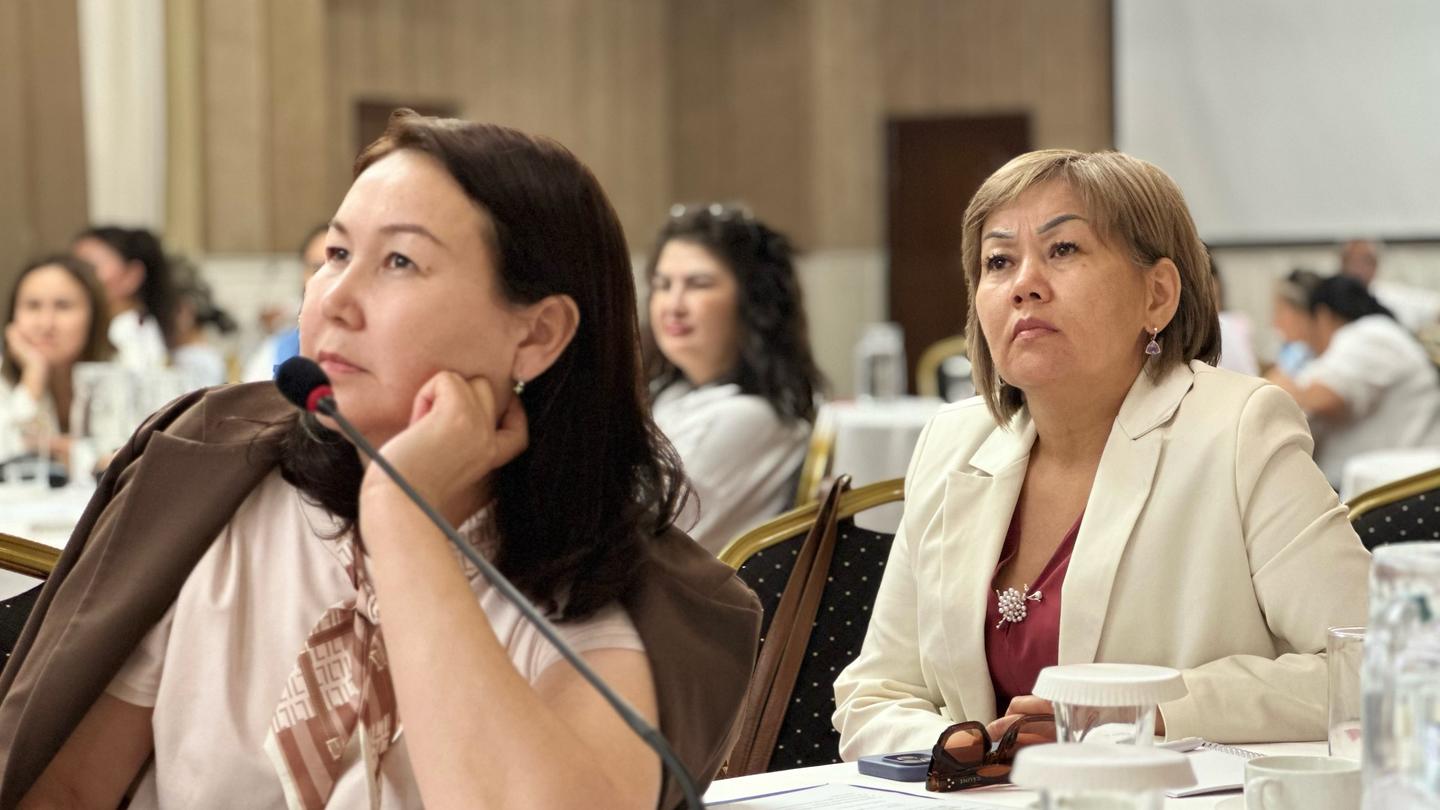

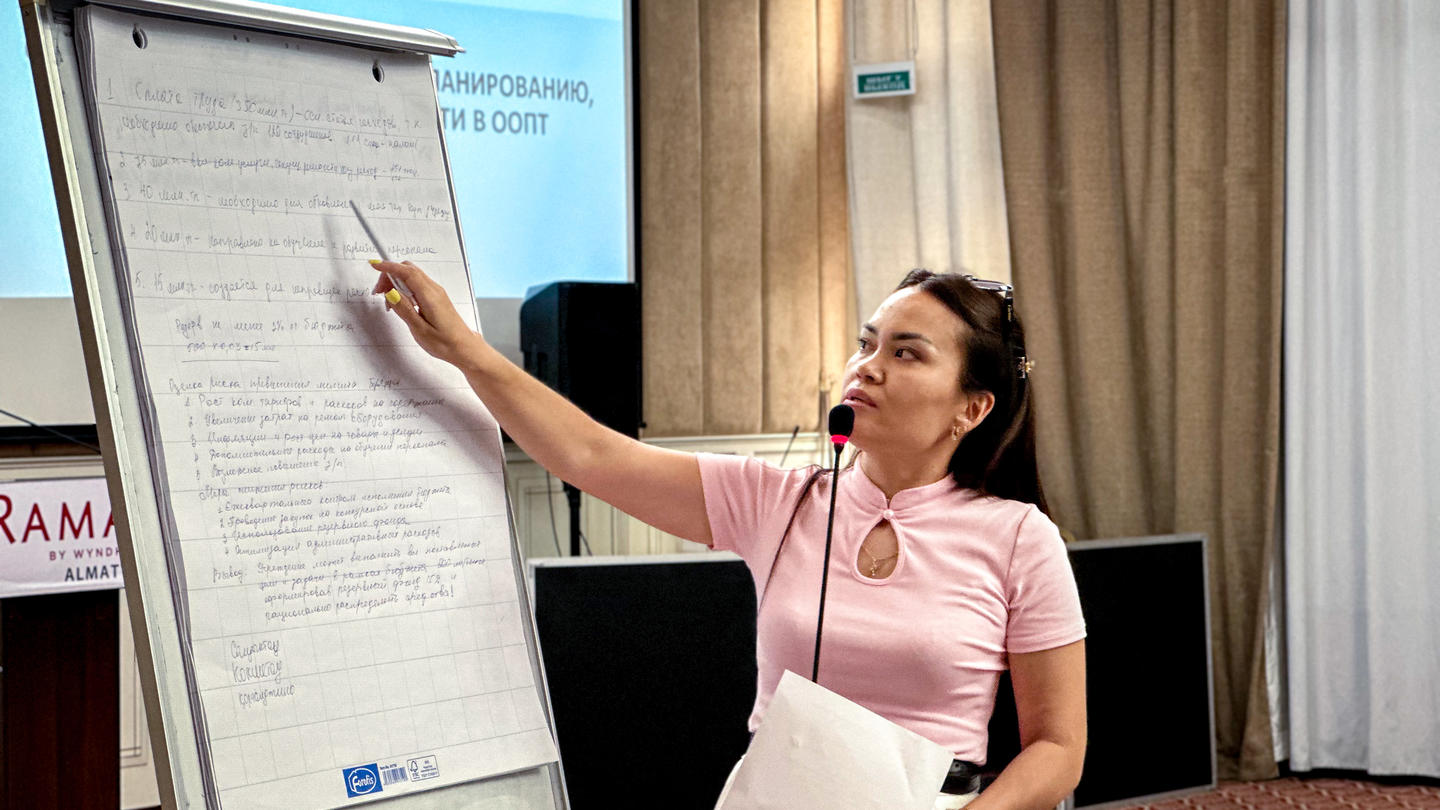




Participants explored key aspects of financial management, including budget planning within protected area management plans, financial reporting, and mechanisms for mobilizing additional sources of financing. The seminar also provided an opportunity for specialists from different regions of the country to exchange practical experience and discuss solutions to everyday financial management challenges.
Erlik Nakishev, Head of the Budget Planning and Budget Programme Implementation Monitoring Division of the Committee of Forestry and Wildlife, highlighted the practical value of such events:
Sound financial management in the biodiversity sector not only ensures the efficient use of public funds but also helps protected areas increase their own revenues through fee-based services, reducing their dependence on the state budget.

Erlik Nakishev, Head of the Budget Planning and Budget Programme Implementation Monitoring Division of the Committee of Forestry and Wildlife.
The People Behind the System
Financial professionals working across Kazakhstan's nature conservation sector share one common view: the quality of financial planning has a direct impact on conservation outcomes.
Madina Alisheva, an economist at the Sandyktau Forestry with 16 years of professional experience, emphasized the importance of sound financial planning:
"To ensure continuous forest protection, it is essential to plan financing properly and allocate budgets effectively. This helps optimize expenditures and strengthens the sustainability of the conservation sector, particularly in the regions."
Kamshat Umargaliyeva, Chief Accountant of the Aqjaiyq State Nature Reserve, added:
"When financial resources are poorly planned or used inefficiently, it is the protection of rare plant and animal species listed in the Red Book that is placed at greatest risk."
For Bauyrzhan Tagayev, Chief Accountant of the Karatau State Nature Reserve, the seminar provided an opportunity to prepare for the reserve's planned expansion:
"Our reserve is the youngest in Kazakhstan, and learning from colleagues with more experience in financial management has been invaluable. As our territory expands, we need to understand in advance how to reflect these changes in the budget - from construction and maintenance to expanding our workforce."
Zhandos Kenzhebay, Chief Accountant of Zhongar-Alatau National Park, noted the importance of linking financial planning with protected area management plans:
"Our current five-year management plan expires in 2026, and work on the next one is about to begin. The seminar gave us a much clearer understanding of how to align budgeting with the priorities set out in the management plan, making its timing especially relevant."
Part of a Bigger Picture
The seminar strengthened the capacity of financial professionals working in Kazakhstan's conservation sector and equipped them with practical tools for more transparent and effective budget management. These competencies play an important role in supporting Kazakhstan's implementation of the Concept on the Conservation and Sustainable Use of Biodiversity for 2026–2035, helping translate national policy priorities into concrete conservation action.

Related
content
content


