

 Locations
Kazakhstan adopts Biodiversity Conservation Concept for 2026–2035
March 4, 2026

The Government of the Republic of Kazakhstan has adopted the Concept for the Conservation and Sustainable Use of Biological Diversity — a strategic framework guiding the country's efforts to protect nature, restore vital ecosystems, and ensure the sustainable use of biodiversity.
The adoption of the Concept supports Kazakhstan’s commitments under the Convention on Biological Diversity, ratified in 1994, which requires Parties to develop national strategies. The Concept also lays a foundation for implementing the ambitious targets of the Kunming–Montreal Global Biodiversity Framework, which sets the course for restoring harmony with nature by 2050.
The Concept represents an investment in the future and the result of many years of systematic work to fulfil national and international commitments.
Through the combined efforts of experts, the scientific community, and the United Nations Development Programme (UNDP) in Kazakhstan, a balanced and ambitious document has been developed. It will serve as a basis for planning practical measures to protect biodiversity, including increasing the country’s forest cover, strengthening forest fire protection, promoting the sustainable use of natural resources, and expanding the system of protected areas.

The Concept will serve as a guiding compass for safeguarding the country’s natural heritage as a foundation for national well-being and sustainable development.
As noted by Sukhrob Khojimatov, Deputy Resident Representative of UNDP in Kazakhstan, “Biodiversity conservation is a collective responsibility that determines the future viability of our planet. The adoption of this document will strengthen ecosystem resilience and help preserve the country’s natural wealth for future generations.”
The Concept is the result of broad cross-sectoral collaboration led by the Ministry of Ecology and Natural Resources of the Republic of Kazakhstan, with support from UNDP in Kazakhstan within the framework of a project implemented with financial support from the Global Environment Facility (GEF) and with the participation of the national expert community.
“The approval of the Concept is the result of joint efforts by government institutions, the scientific community, and civil society organizations. Its development involved extensive work to identify key national priorities, taking into account international approaches and recommendations. I congratulate Kazakhstan’s conservation community on the adoption of this important strategic document,” said Vera Voronova, Director of the Association for the Conservation of Biodiversity of Kazakhstan.


The Concept covers eight key priority areas and 13 target indicators.
The first priority focuses on the development of a unified ecological network and the expansion of the system of specially protected natural areas, which represent the most effective and widely used global mechanism for conserving plant and wildlife species.
By 2035, the total area of protected natural territories is expected to increase from 31 million hectares to 33.2 million hectares.
The second priority aims to improve the effectiveness of forest protection and regeneration and to promote sustainable forest management.
By preserving existing forests and expanding reforestation efforts, the country plans to increase forest-covered land to 14.7 million hectares (currently 13.9 million hectares).
Another important direction is the rational use of timber resources. The Concept envisages deeper processing of domestic timber, with the output of the wood-processing industry expected to increase fivefold by 2035.
The third priority focuses on strengthening the system for monitoring, protecting, and sustainably managing wildlife.
The Concept outlines measures to conserve and ensure the sustainable growth of species listed in the national Red Book, as well as to promote the sustainable use of wild animals legally subject to hunting, including trophy hunting.
The fourth priority concerns ichthyofauna and natural fish resources, areas that require strengthened monitoring and comprehensive research into potential risks.
The fifth and sixth priorities address a wide range of issues related to plant biodiversity and the pressing challenge of pasture degradation. Monitoring, inventory, and the application of advanced, science-based solutions are key tools for addressing these challenges.
The final two priorities provide the foundation and structural framework for the entire system of biodiversity conservation and sustainable use. The collection and systematization of biodiversity data, along with the development of an effective indicator system, will enable the formulation of a long-term strategy in this area.


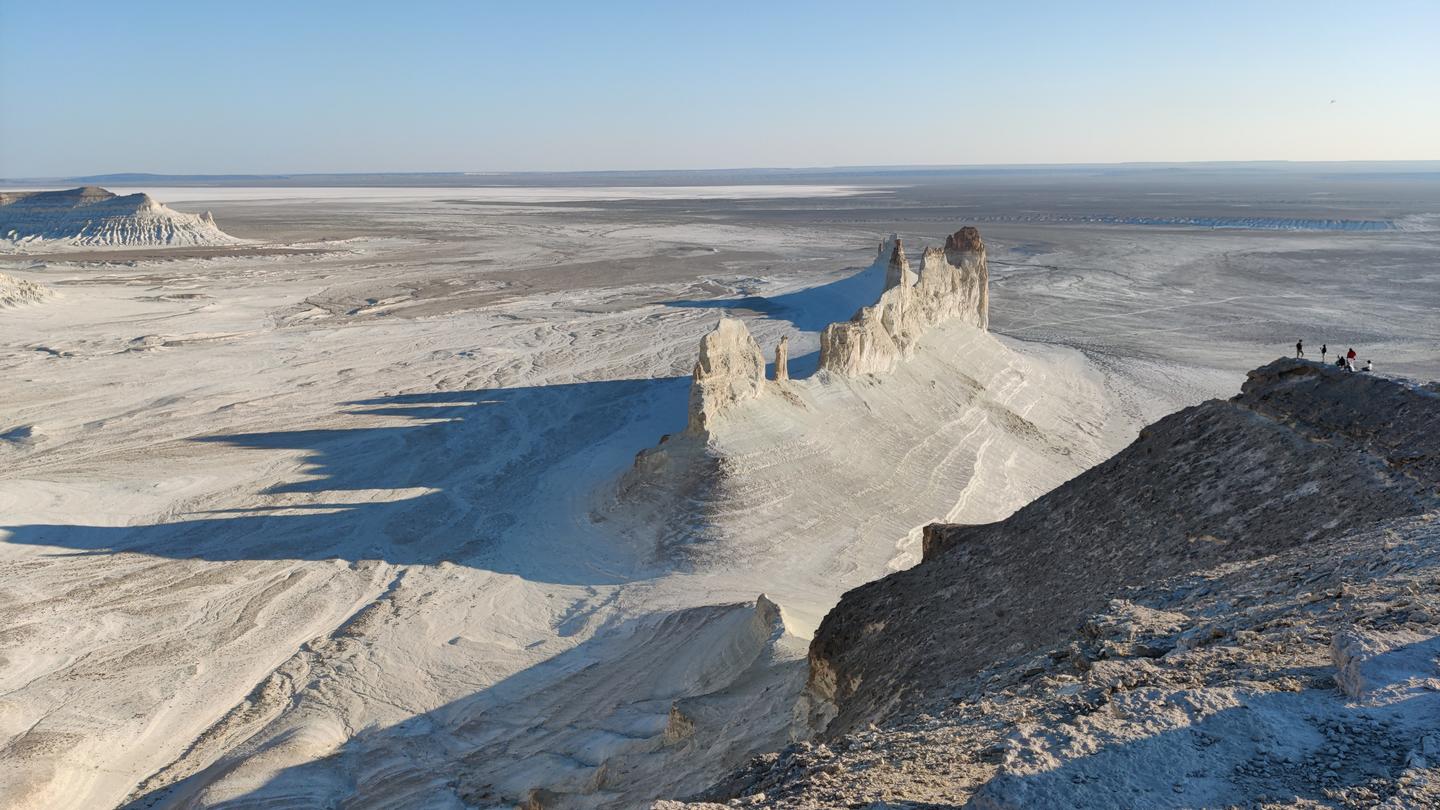


According to Alexander Berber, Candidate of Biological Sciences, defining national biodiversity targets and adopting a strategic framework will help consolidate the efforts of government institutions, international and non-governmental organizations, and the private sector to conserve and restore not only rare and key species but biodiversity as a whole, as these measures address both species protection and habitat conservation.
The newly adopted Concept strengthens Kazakhstan’s leadership in nature conservation in Central Asia and creates a platform for new national and international partnerships to build a sustainable and harmonious future.
Related
content
content


