

 Locations
By Dr. Selva Ramachandran, UNDP Philippines Resident Representative
Creating a Circular Economy for All
June 4, 2025
UNDP Philippines
Leaving no one behind is more than a moral imperative—it’s the backbone of sustainable development. As we transition to a green, circular economy—one that minimizes environmental harm by keeping materials and energy in continuous use—inclusion must be at the core.
This shift offers an opportunity to do more than reduce waste; it allows us to reshape systems to be more equitable and empowering. For this transition to be truly just, gender equality, disability, and social inclusion (GEDSI) must be central to both design and implementation. We must create pathways for underrepresented groups to contribute to and benefit from the green economy.
In the Philippines and beyond, GEDSI groups are already playing vital roles in the circular economy—yet their contributions often go unrecognized.
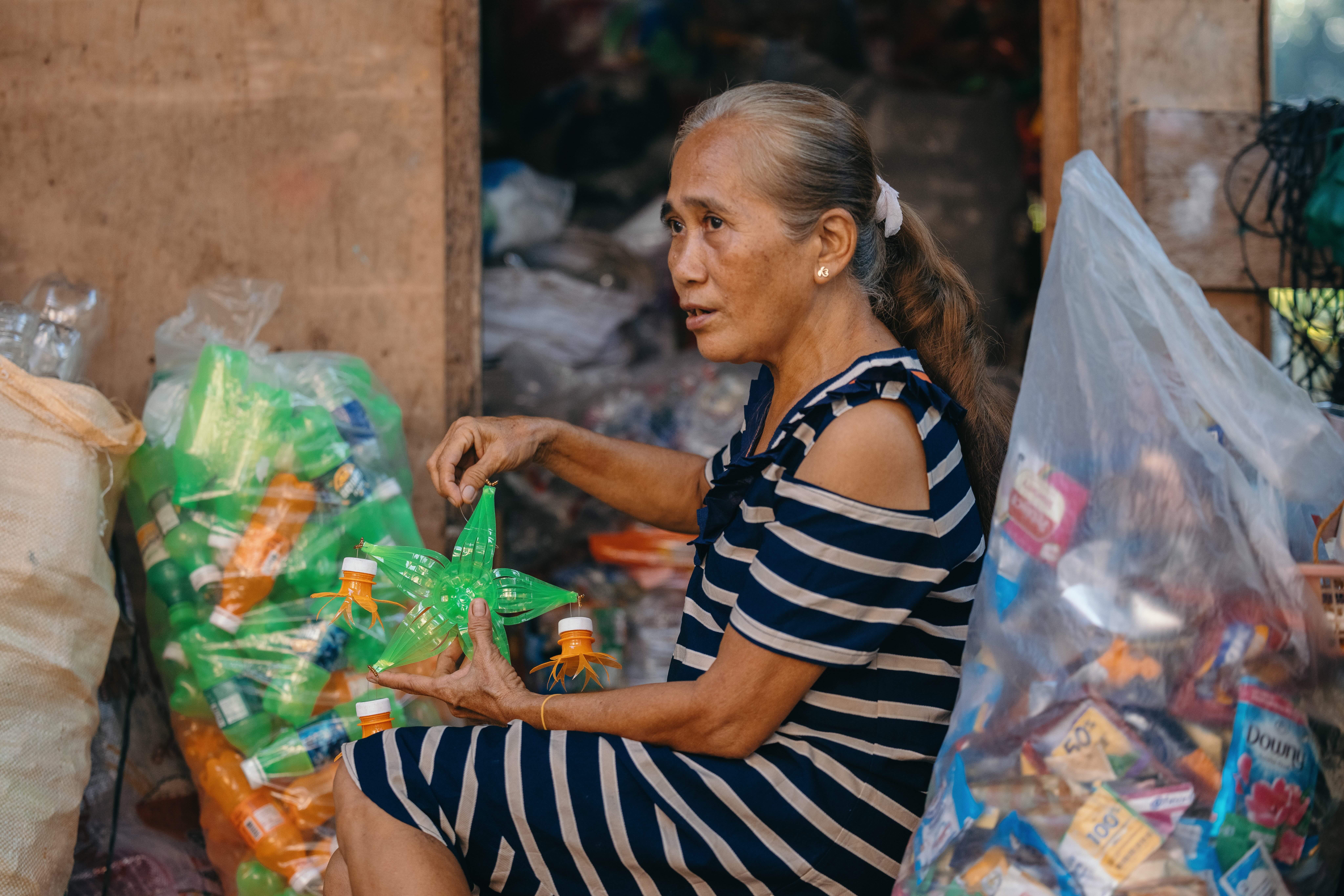
Take informal waste pickers: frequently operating out of sight, they are essential to recycling systems in many countries. According to the International Alliance of Waste Pickers, they comprise up to 85% of the global recycling workforce, with many focused on plastic recovery. Despite their importance, these workers—many of them women—are among the most marginalized, excluded from formal labor systems due to poverty and social stigma.
A single mother in Cambodia described her decision to collect waste this way: “It’s difficult to have a regular job with set working hours. Collecting waste gives me the flexibility I need to earn an income.”
Meanwhile, women entrepreneurs are leading circular innovation across Southeast Asia. In the Philippines, many have championed refill and reuse business models, challenging traditional consumption patterns and driving sustainability forward.
Persons with disabilities also face systemic barriers from an early age, with their abilities too often underestimated. Their inclusion is not only a matter of rights—it’s also a source of innovation and resilience.
So how do we build a circular economy that truly leaves no one behind?
First, we must put inclusion at the center. This starts with mapping GEDSI stakeholders and meaningfully involving them in policy-making and implementation. Their insights are essential for designing solutions that work on the ground.
Recognition is another key step. Formal acknowledgment of informal workers—such as waste pickers—can empower them and offer access to fair compensation, protective gear, and social safety nets. But these measures must be designed with flexibility in mind. A Mexican initiative to formalize informal workers failed, in part, because it imposed rigid work hours, eroding the very autonomy these workers depended on. Similarly, bureaucratic hurdles—like the need for formal IDs or digital literacy—can unintentionally exclude the most vulnerable.
Communities must be engaged not as beneficiaries but as agents of change. In the Philippines, persons with disabilities have created social enterprises that transform plastic waste into furniture and ornaments—marrying sustainability with empowerment. Indigenous women’s groups craft jewelry and bags from discarded textiles and plastics, blending tradition with environmental consciousness.
There are promising models elsewhere too. In Cambodia and the Philippines, social enterprises have supported former informal waste pickers by providing ID cards and protective equipment, allowing them to sell plastics at designated depots for fair prices. These initiatives offer both economic security and the flexibility these workers need.
Vietnam has taken steps to strengthen the capacity of waste pickers’ associations by offering training in recycling, financial literacy, and public outreach. In the Philippines, green procurement policies are now supporting products made by former waste pickers, providing reliable market access and income.
The circular economy isn’t just about reducing waste—it’s about rethinking how we include, empower, and innovate.
The United Nations Development Programme (UNDP), through the European Union-funded Green Economy Programme in the Philippines, is actively working to make this inclusive transition a reality. Spanning 60 cities and municipalities, the initiative maps GEDSI stakeholders, listens to their aspirations, and co-develops solutions that enable them to thrive in a greener economy.
By putting innovation, inclusion, and collaboration at the forefront, we can build a circular economy that is not only sustainable—but also just. The future we want is one where no one is left behind—and everyone is part of the solution.
Building a circular economy that includes everyone is not just about protecting the environment, it is a bold reimagining of how we grow economies, empower communities, and ensure long-term resilience for both people and planet. [E]
Related
content
content


