

 Locations
Bridging Libya's climate finance gap
August 3, 2026


Two years ago, when I returned to Libya as Deputy Resident Representative on the 4th of August 2024, the country was already confronting climate challenges and severe water scarcity. As one of the most water-stressed nations on earth, securing sustainable freshwater resources is a critical national priority. What truly struck me during my stay was the proactive approach being taken by our national partners to tackle these issues.
I was heartened to see targeted water security initiatives already in motion, aimed at addressing this critical vulnerability. These efforts not only focus on managing our limited water resources more effectively but also highlight a collaborative spirit among various stakeholders dedicated to safeguarding Libya's water supply for generations to come. It's inspiring to witness how, even in the face of adversity, there is a strong commitment to developing solutions that ensure a sustainable path forward for our country and its people.
Building on that foundation, I witnessed the early stages of a significant environmental awakening in Libya. Just months before my arrival, two major EU-funded projects were launched, aimed at supporting the country’s energy transition and addressing climate change. The momentum for a green transformation was palpable, but we encountered considerable structural challenges in translating ambition into widespread action.
Locked out of the global climate pipeline
For nearly a decade, global vertical funds—such as the Green Climate Fund (GCF) and the Global Environment Facility (GEF)—have deployed over $50 billion to combat the climate crisis. However, Libya found itself largely locked out of this financial pipeline. Between 2015 and 2024, the country received zero investments in direct structural infrastructure grants. This was not a lack of domestic desire, but a reflection of strict international funding requirements. Without verified historical data and accredited national implementing entities, global capital could not flow.
Under the leadership of UNDP Libya Resident Representative Dr Sophie Kemkhadze, we have been actively working to transform environmental investment challenges into opportunities for Libya. The trust placed in UNDP by our government counterparts has enabled us to collaborate closely to tackle these issues.
However, overcoming these barriers requires significant political will and effective technical coordination. Since 2017, dedicated inter-ministerial technical teams have been diligently compiling emissions data to help inform our strategies. Yet, navigating the complexities of our institutional landscape takes time.
This careful approach is crucial for ensuring that environmental initiatives are not only well-informed but also sustainable in the long run. By continuing to work together, we can maximize Libya's potential for environmental improvement and investment, paving the way for a greener future.
A historic turning point
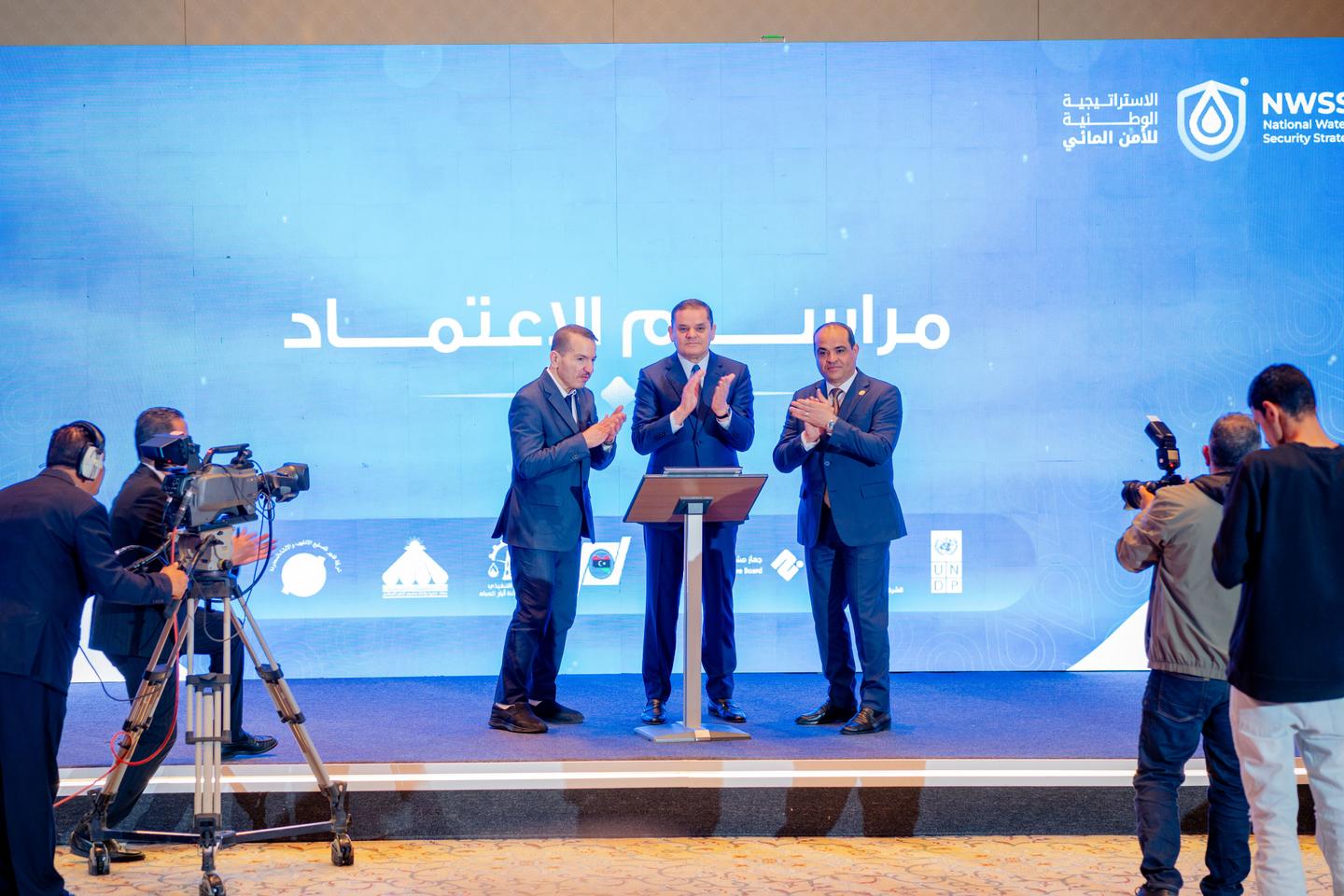
That changed last month in July 2026, marking a decisive shift in Libya’s environmental trajectory.
In a landmark achievement, the Government of National Unity—our primary partner in this journey—officially endorsed Libya's Climate Framework. This pivotal decision successfully brought the country's first-ever Nationally Determined Contribution (NDC) for 2026–2035 across the finish line.
The data within this newly minted NDC reveals the true scale of the task ahead. It outlines a massive financing gap, projecting that approximately $29.5 billion is required for low-carbon mitigation, alongside up to $2.4 billion for urgent adaptation measures to protect food, health and water systems.
Alongside this climate milestone, the long-awaited water security strategy was also endorsed by the Government of National Unity. With the strategy officially approved, the crucial next step is its implementation. Collaborating closely with the Libyan people and the state is essential to transforming this shared vision into a secure, water-safe reality.
Unlocking vertical funds
Bridging a $31 billion gap in Libya’s environmental funding is not just an aspiration; it is an economic necessity that demands robust global collaboration. With the ongoing support of the UNDP, we are finally witnessing the opening of vital financial pipelines that will facilitate our efforts in this area.
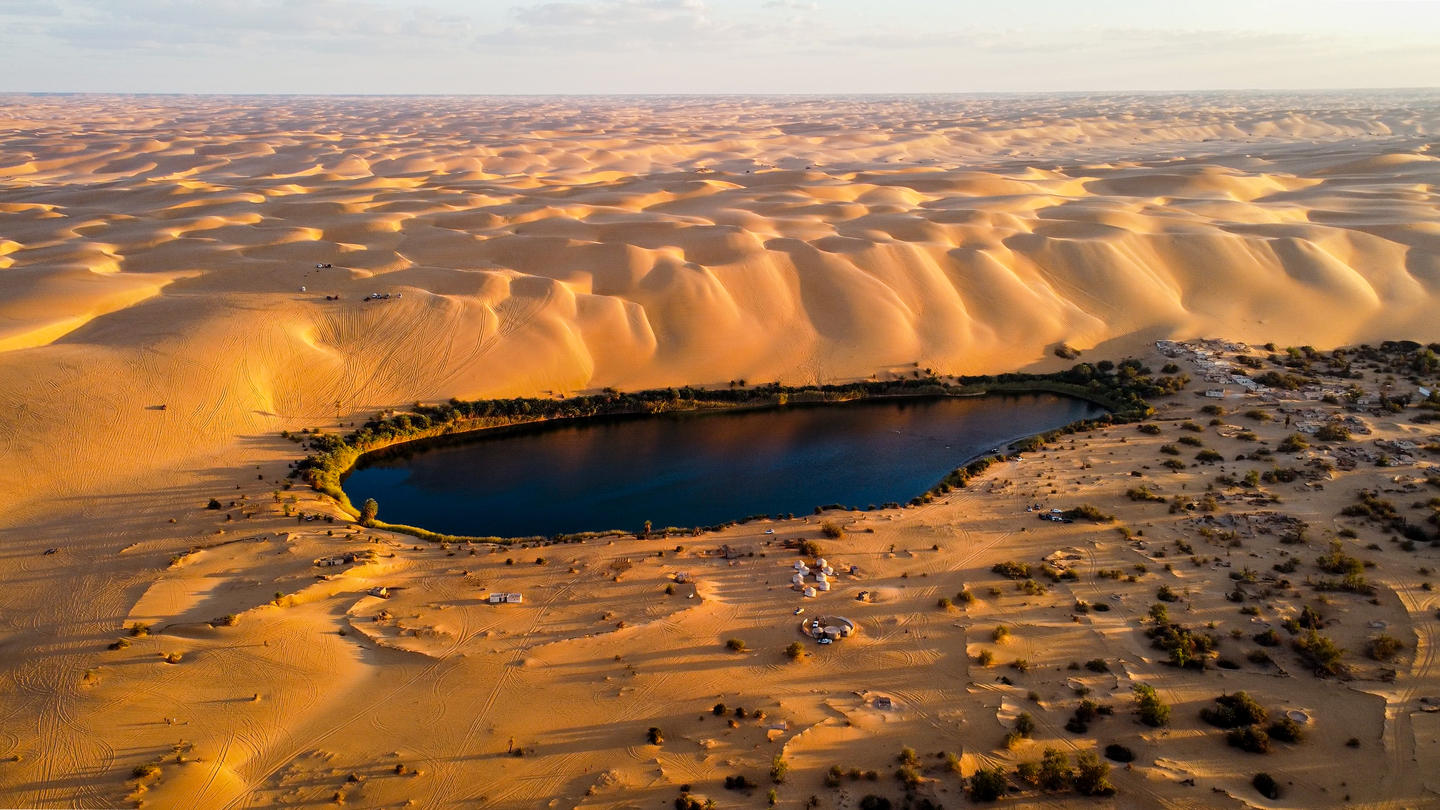
We have successfully mobilized resources from the Global Environment Facility (GEF) to rehabilitate the fragile Ubari Lakes Basin, a critical ecosystem that has been severely impacted by climate change and unsustainable practices. In addition, we have initiated the Biodiversity Finance Initiative (BIOFIN), to address the significant challenge of financing in Libya which aims to safeguard natural ecosystems by developing financial strategies designed to ensure their protection and sustainable management. These efforts mark a positive step forward, but they are just the beginning of our ambitious journey.
Currently, UNDP Libya is actively engaged in developing multiple proposals for the Green Climate Fund (GCF). This work is being done in close partnership with various sister UN Agencies and organizations, as well as the Adaptation Fund, demonstrating our commitment to a collaborative approach.
Importantly, Libya has started to benefit from vertical funding streams, enabling us to secure crucial financial resources for our environmental initiatives. Notably, we have successfully obtained funding from the Kunming Biodiversity Fund (KBF), which will further enhance our capabilities to protect biodiversity and respond to the urgent environmental challenges the country is facing.
Through these collective efforts, we are laying the groundwork for a sustainable future that addresses both environmental resilience and economic development in Libya.
Beyond policy: Real lives and communities
Ultimately, these policy milestones are not just about paperwork; they are about real human lives. On the ground, our early focus on water security is already making a tangible difference, stabilizing access to clean, safe drinking water for approximately 400,000 people and bringing vital relief to families in some of our most vulnerable areas. At the same time, we are looking to the coastlines, where new marine conservation projects are helping local fishing communities protect both the delicate Mediterranean ecosystems and the traditional livelihoods that have sustained them for generations.
Watching Libya step out of a decade of climate isolation and onto the global stage has been incredibly moving. It is a powerful testament to what can be achieved when national determination meets strategic cooperation. By coming together to set clear, unified climate goals, Libya is not just opening doors to international finance—it is claiming its rightful place in the global movement and building a safer, more resilient home for the people of Libya.