

 Locations
From Forest Measurements to Market Readiness: Equipping Indonesia’s Social Forestry Workforce for High-Integrity Carbon Markets
July 29, 2026

Building an integrity-based carbon market starts with strong data. Training on carbon measurement and DRAM development equips participants with the knowledge to support credible and data-driven carbon projects.
Across Indonesia’s social forestry landscapes, communities and government units have spent years building the fundamentals of sustainable forest management: inventories, monitoring systems, local institutions. What has been harder to build is the layer above it — the technical capacity to turn that forest management into a credible, tradable carbon asset capable of attracting climate finance.
The challenge is not a shortage of forest. Indonesia’s social forestry areas already cover 8.3 millions of hectares under community stewardship, positioned as a central pillar of the country’s Nationally Determined Contribution (NDC), REDD+ commitments, and FOLU Net Sink 2030 target. The challenge is ensuring the people responsible for these forests can measure carbon accurately, build a defensible baseline, prepare documentation that will withstand independent scrutiny, and demonstrate — to regulators, financiers, and the communities themselves — that a project meets the standard of integrity the market requires.
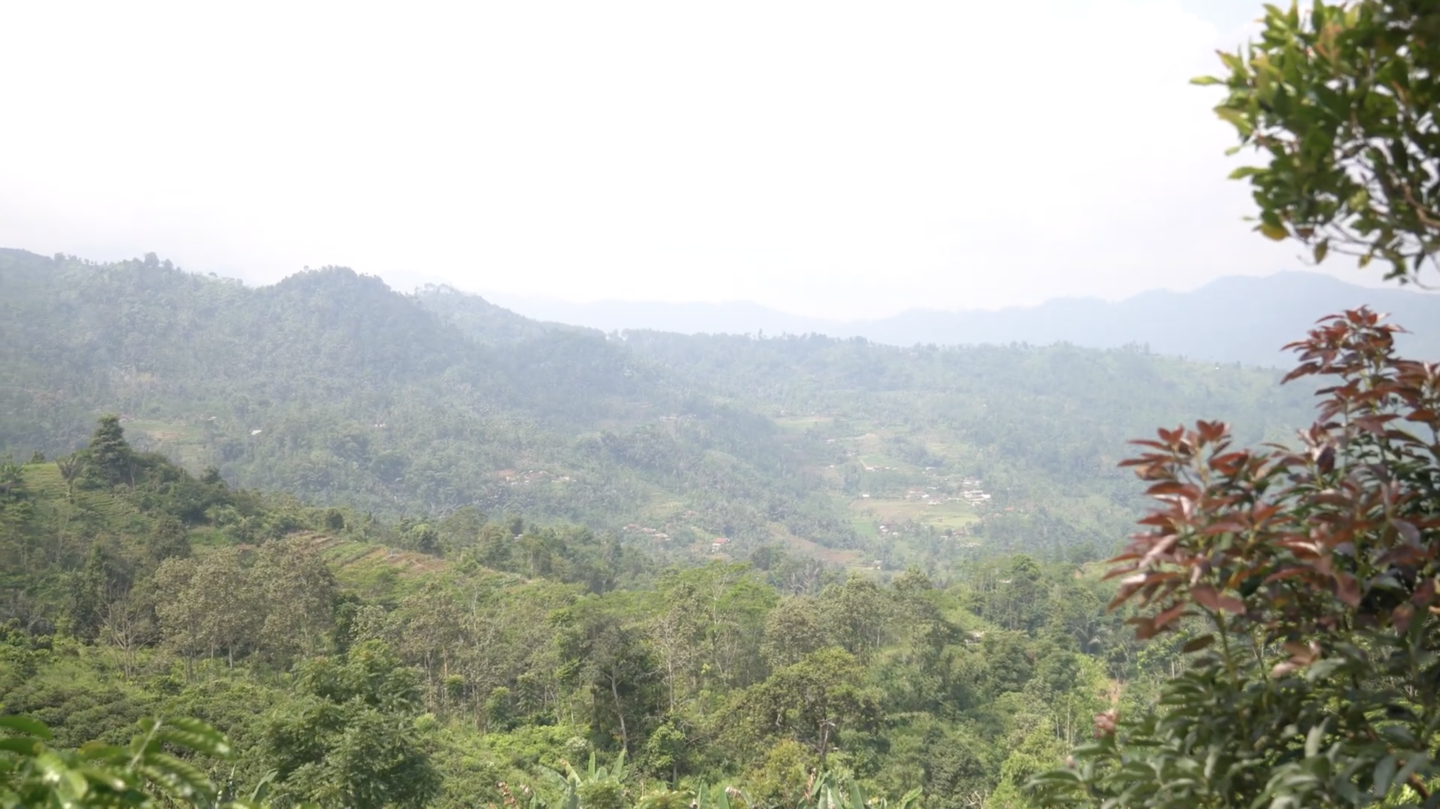
Social forestry areas such as Jayamekar Village in Garut demonstrate how communities can actively manage forests through sustainable practices, including agroforestry. Credit: UNDP
Recognizing this need, UNDP Indonesia, through the Climate REDD+ Indonesia (CREDDIN) Project, partnered with the Directorate General of Social Forestry, Ministry of Forestry, to organize a Series of Integrated Training on Carbon Accounting, DRAM Development, Validation and Verification, and Safeguards for Social Forestry Carbon Initiatives. The training series took place between April and June 2026, inviting 30 officials and technical staffs from the ministry – moving through three modules – from the basics of carbon accounting, hands-on field work to a simulated review process.
Three Modules, Three Cities
Before technical training could begin, participants needed a shared vocabulary. Many entered the programme with limited prior exposure to carbon accounting or carbon market mechanisms; terms such as Forest Reference Emission Level (FREL/FRL), Measurement, Reporting and Verification (MRV), additionality, permanence, leakage, and benefit sharing were unfamiliar to much of the group. The first module, held in Jakarta from 21 to 23 April 2026, addressed this directly, combining technical sessions on climate policy, biomass and carbon estimation, and MRV systems with pre- and post-test evaluations used to track how participants’ understanding developed over the course of the programme.
"Many of us came into the training with little understanding of carbon accounting in the context of social forestry. The programme helped build a common foundation, making it much easier to understand not only the technical aspects of carbon measurement, but also the broader purpose and regulatory context behind it," said Anastasya Devi Septanovia from the Directorate of Social Forestry Institutional Development.
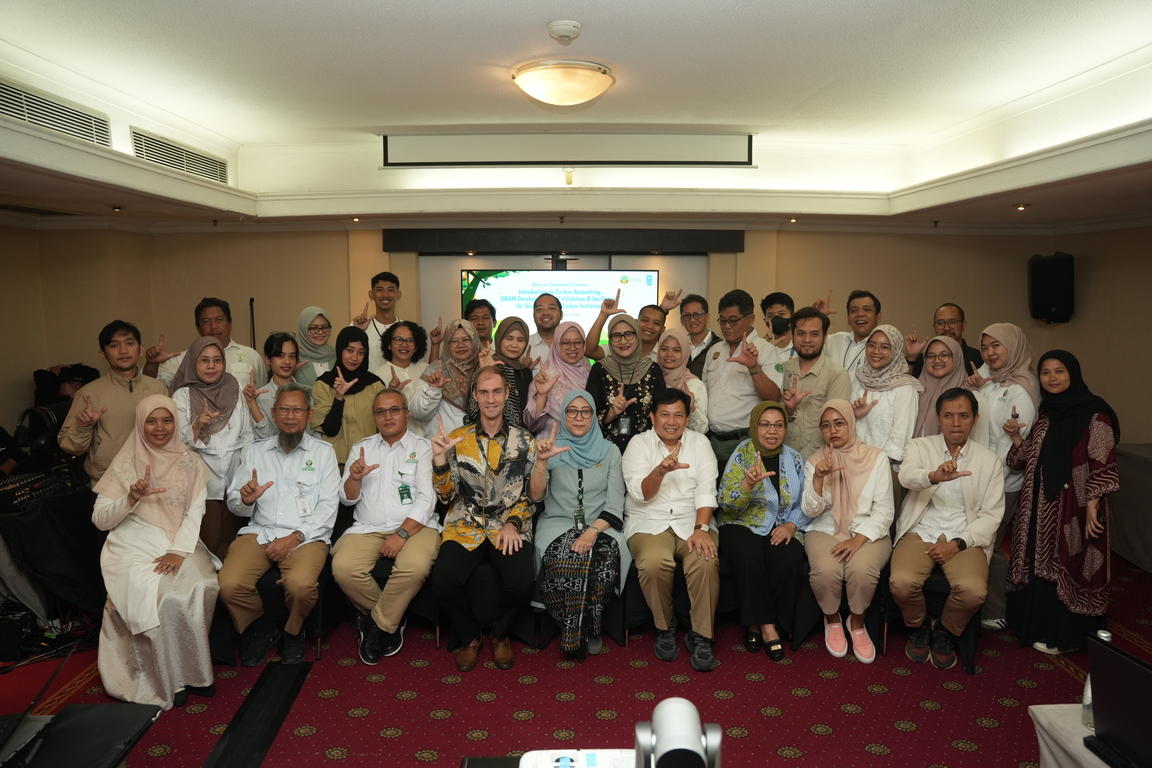
Training on carbon measurement and DRAM development equips participants with the knowledge to support credible and data-driven carbon projects. Credit: UNDP
The second module, held from 18 to 22 May 2026 in the social forestry area managed by Lembaga Desa Gemah Ripah in Garut, West Java, moved participants from theory into practice. Divided into teams, they conducted their own vegetation inventories and biomass measurements, calculating sampling plots and carbon stocks against the SNI 7724:2019 standard and IPCC guidance using tools such as the Winrock Calculator. Each team then translated its field data into a draft Mitigation Action Plan Document (DRAM).
By the end of the field phase, every team had produced a complete draft, including emission-reduction projections, a monitoring plan, a leakage analysis, a buffer-pool allocation, and links to relevant Sustainable Development Goals — components that mirror what an actual project document must contain.


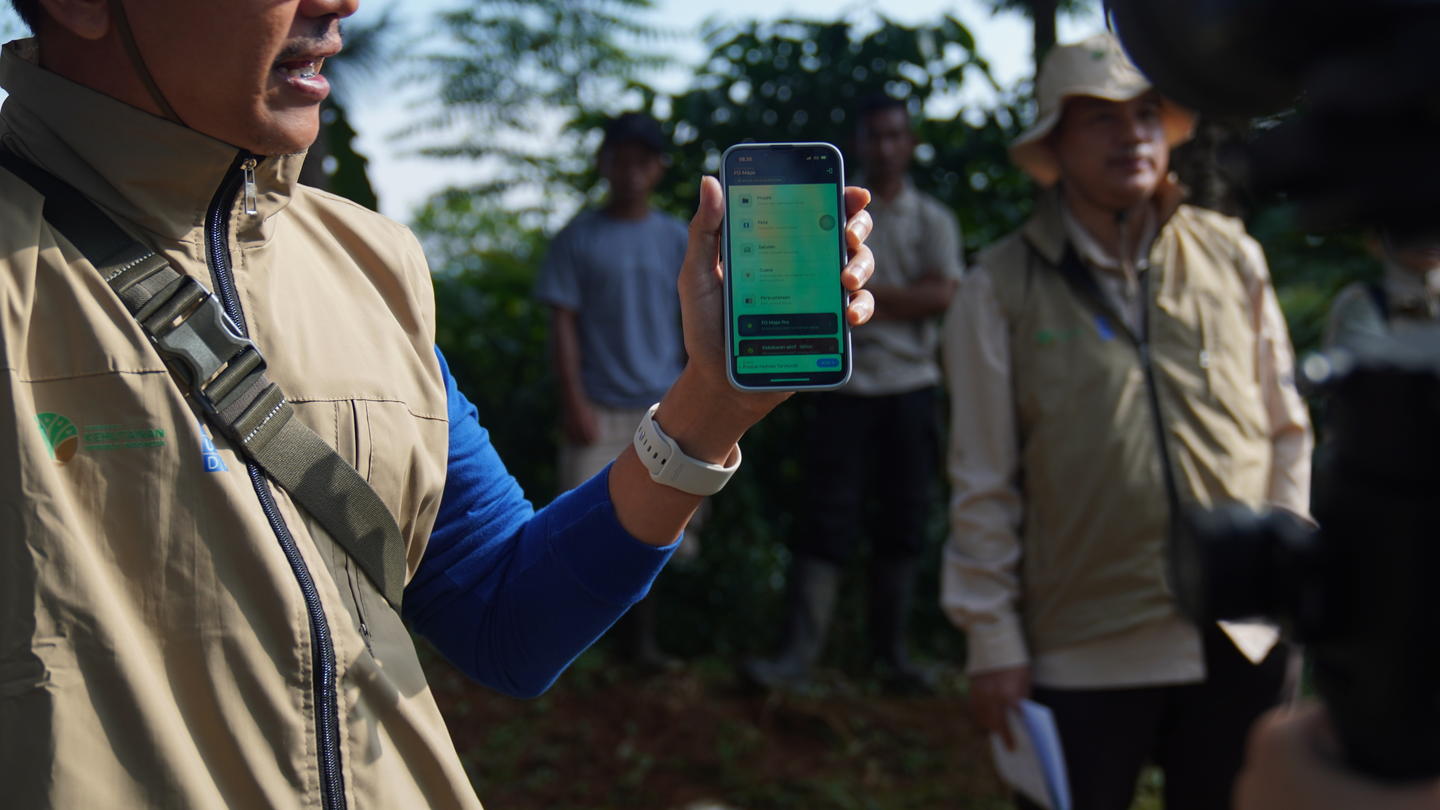


Participants practiced measuring tree diameter and height and identifying vegetation types, while using Geographic Information Systems (GIS) to plan carbon surveys, identify sampling locations, and estimate biomass and carbon stocks. Credit: UNDP
Safeguards were built into the same field exercise rather than taught as a separate topic. Participants engaged directly with the communities managing the Garut forest area, applying the principle of Free, Prior and Informed Consent (FPIC) through consultation, risk identification, and benefit-sharing design. A tree-planting activity held during the same programme underscored a point that recurred throughout the training: a credible carbon project depends on trust and community consent as much as on measurement.
"Putting the lessons into practice in the field was the most valuable part of the programme. It showed us how carbon accounting works in real conditions while helping us better understand the communities at the centre of these initiatives," Anastasya reflected.

Applying the principle of Free, Prior and Informed Consent (FPIC) helps ensure meaningful participation and informed consent throughout project implementation, alongside fair benefit sharing, including non-carbon benefits such as community capacity building and stronger institutions for social forestry groups. Credit: UNDP
The third module, held in Bogor from 9 to 11 June 2026, shifted participants into the role of reviewer. Through case studies, simulations, and a carbon-trading roleplay exercise, participants practised identifying gaps in project documentation and assessing whether a DRAM would withstand independent validation and verification — a distinct skill from producing the document itself. The roleplay format, in particular, proved effective at illustrating the dynamics of negotiation and institutional governance that participants will encounter once carbon projects move toward implementation.
Connecting Skills to the Wider System
Technical skill on its own does not produce a carbon market. On 22 May 2026, a Multi-Stakeholder Collaboration Dialogue held in Garut brought together national regulators, the West Java provincial forestry service, the Garut district government, and Indonesia’s Environment Fund Management Agency (BPDLH). Each laid out a different piece of the enabling environment a social forestry carbon project depends on: national regulatory support, provincial coordination, district development programming, and access to financing. The message across sessions was consistent — skilled people need policy support, subnational coordination, and accessible finance behind them to actually carry a project through.
Representing the Garut District Government, Assistant for Economic Affairs and Development Dedy Mulyadi highlighted the strategic value of the programme in helping districts like Garut transform their natural assets into sustainable development opportunities. His remarks underscored that building technical capacity is not an end in itself, but a pathway to ensuring that local communities can benefit from emerging carbon market opportunities while protecting their forests.
A Foundation for What Comes Next
The training also provided a clearer picture of where continued support will be needed to advance social forestry carbon initiatives. While participants demonstrated significant progress in carbon accounting, safeguards, and mitigation planning, further experience is still needed in applying international standards such as ISO 14064-3, preparing audit-ready documentation, and independently using spatial analysis tools to support project development and monitoring. These are advanced competencies that are typically strengthened through practical application over time rather than through a single training cycle.
The next phase is already taking shape. Building on the DRAM draft developed during the field training in Garut, ongoing technical assistance is supporting their refinement and progression toward registration in Indonesia's National Registry System (SRN). The aim is to transform training outputs into a pipeline of potential social forestry carbon initiatives that are aligned with both national requirements and international good practice.

Field practice results informed the development of Mitigation Action Design Documents (DRAM) to identify and manage risks while safeguarding the sustainability and integrity of carbon projects. Credit: UNDP
Ultimately, high-integrity carbon markets depend not only on robust methodologies and strong governance frameworks, but also on the people and institutions that bring them to life. Strengthening technical capabilities within the social forestry sector is therefore about more than preparing carbon projects—it is about creating the foundations for climate action that is credible, inclusive, and community-led.
The practitioners who completed this training are now part of that foundation. Equipped with new skills, practical experience, and access to continued support, they are helping lay the groundwork for a new generation of social forestry carbon initiatives. If successfully carried forward, the draft DRAMs developed in Garut could become among Indonesia's earliest examples of high-integrity social forestry carbon projects, demonstrating how community-based forest management can contribute to both climate goals and sustainable development.
As Indonesia continues to strengthen its carbon market ecosystem, investing in people and institutions will remain essential. High-integrity carbon markets are ultimately built by individuals who can translate policy into practice and ensure that climate action delivers meaningful benefits for both forests and communities (*).
Author: Dzul Afifah Arifin
Editor: Thomas Benmetan
Related
content
content


