
 Locations
Hurricane Melissa
UNDP Cuba Response:
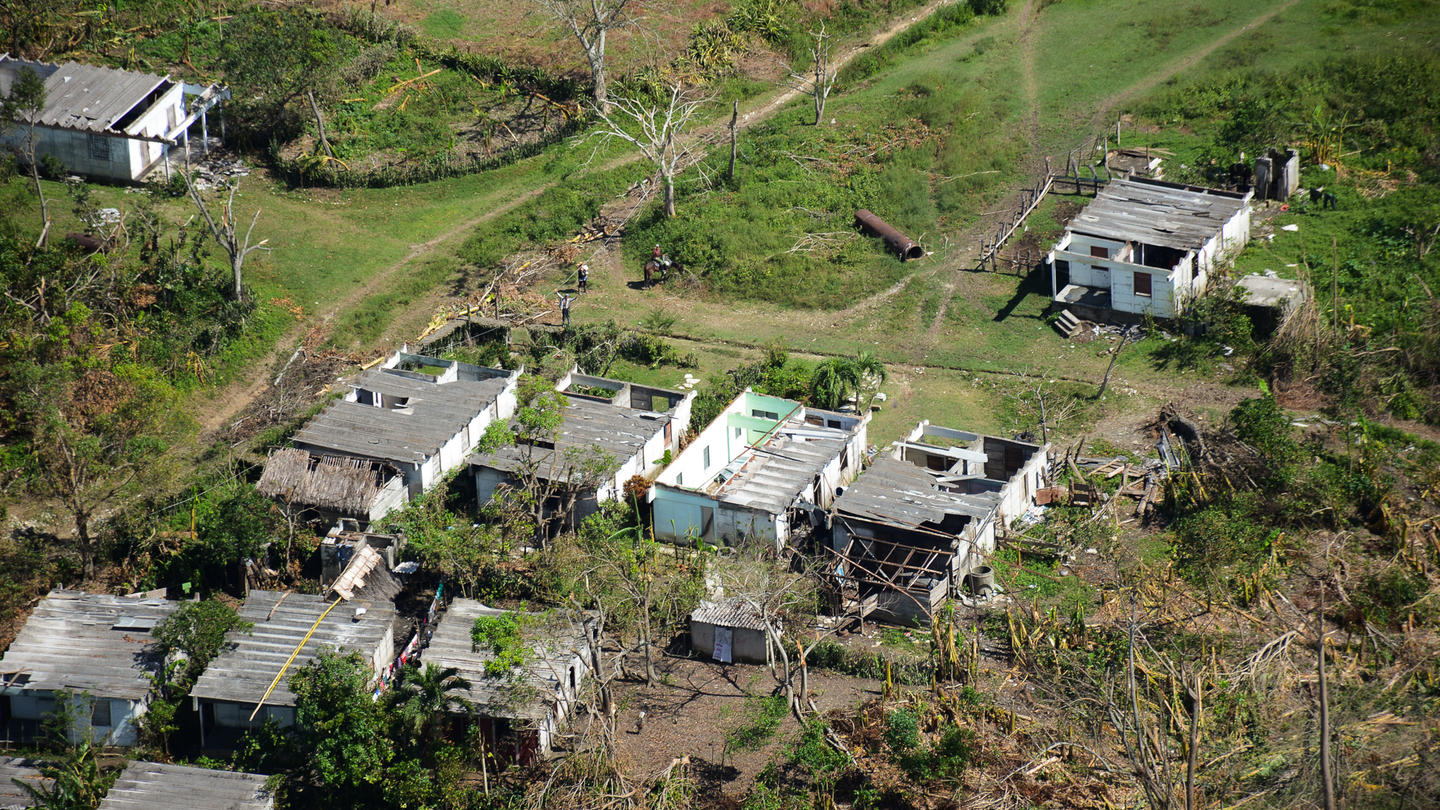
Hurricane Melissa has been classified as the most powerful storm of 2025 worldwide and the third most intense ever recorded in the Atlantic basin, the Caribbean Sea, and the Gulf of Mexico.
For Cuba, this phenomenon ranks among the three most severe meteorological events in its history.
In the early hours of October 29, Melissa struck Cuban territory through the municipality of Guamá, in Santiago de Cuba province, with the force of a Category 3 hurricane on the Saffir-Simpson scale. At that time, it recorded sustained winds of up to 195 km/h and even stronger gusts.
Large territorial extent of the damage, reaching four eastern provinces. Most impacted provinces: Granma , Santiago de Cuba and Holguín.
Adding to this scenario is the lack of access to energy affecting the entire country, exacerbated by the measures announced by US administration at the end of January, which further contributes to the previous deterioration of the electrical infrastructure.
In the eastern region, this situation is more complex due to the previous impact of Hurricane Melissa and the damage suffered by the electrical infrastructure. The limited availability of fuel has significantly reduced public and freight transportation, compromising the mobility of the population and access to essential services.
The lack of energy also affects connectivity, communications, and banking and financial services, limiting the operational capacity of public institutions and humanitarian actors.
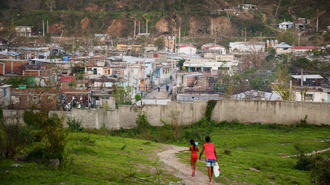
Overview of disaster damages in housing sectorand infrastructures
Significant damage to electricity infrestructure, with limitations in replacing ítems such as electrical transformers, cables, compounded by the national generation deficit.
Damage and gaps in hydrometerological surveillance systems, following major flooding in the Cauto River basin (Cuba´s largest), affecting three provinces: Granma, Santiago de Cuba and Holguín.






UNDP Action Plan Strategy
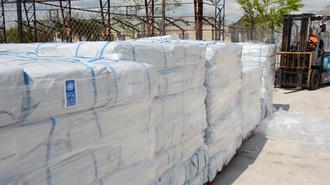
Provide solutions for immediate shelter and temporary facilities, shelter homes and basic living essentials.
Anticipate early recovery and build back better to increase resilience for future events. Strengthening resilient reconstruction processes through technical assistance, local materials, and technologies adapted to the current context.
Recover and revitalize hydrometeorological surveillance systems in the face of floods threats
Restore coverage of energy network and expand the use of renewable energy sources in communities and vital centres.
Mobilized funds
A total of 2,600,000 USD was mobilized to restore the basic habitability of affected families in shelters and support early recovery in damaged homes.
Funding contributors
United Nations Central Emergency Response Fund (CERF) with 1.000.000 USD
European Civil Protection and Humanitarian Aid Operations (ECHO) with 1,070,285 USD
United Nations Development Programme (UNDP) with 142,000 USD
Recursos distribuidos
Needs according to UN Action Plan


1. Restore the basic habitability in shelter solutions and anticipate early and safe recovery.
Immediate response:
Create immediate shelters through temporary facilities and shelter homes.
Provide basic habitability conditions with mattresses, kitchen kits, mosquito nets, solar lamps, etc.
Early recovery:
Safely and progressively restore damaged homes.
Expand the capacities and preparedness of key local actors:
- Strengthen community construction brigades with tool kits.
- Expand technical assistance, damage assessments, and strengthen housing procedure services.

2. Reactivate and expand local production of building materials in 40–50 community centres, using local raw materials and recycled materials, to enable the fast and safe recovery of damaged homes and vital services.
Promote the use of appropriate and sustainable production technologies and construction techniques for a more agile and accessible response.
Train municipal technicians, workers, and community members, with special attention to the inclusion of women and youth.

3. Restore access to energy and essential services through sustainable solutions, prioritising renewable energy sources, in affected communities.
Urgently restore access to energy in communities and vital services.
Ensure the continuous operation of essential facilities —health centres, shelters, schools, and water supply systems— via temporary and sustainable energy solutions.
Promote community resilience by introducing renewable and decentralised energy sources.
Facilitate access for the most vulnerable households to basic means for cooking, lighting, and food storage, reducing health and protection risks associated with prolonged energy supply interruptions.

4. Restore the hydro-meteorological early warning and monitoring system, with priority given to flood hazards
Urgently restore the hydro-meteorological monitoring network and early warning systems damaged by the hurricane, ensuring timely threat detection and the protection of at-risk communities, with priority given to flood hazards.
Rehabilitate communication capacities among national, provincial, and municipal entities of the Early Warning System (EWS) to ensure the timely flow of information to the population and response institutions.
Strengthen local and community technical capacities for hazard monitoring and early action in response to floods and other extreme events.
Strengthen risk management at the municipal level through training, provision of basic tools, and effective coordination among authorities, communities, and civil protection mechanisms