

 Locations
GEF-ISLANDS Indian Ocean partners meet in Nairobi to advance chemicals and hazardous waste management
July 29, 2026

Nairobi, Kenya – The United Nations Development Programme (UNDP), in partnership with the Indian Ocean Commission (IOC) and Business Mauritius, organized the 2026 Annual Meeting of the GEF-ISLANDS Indian Ocean Project, convening Government representatives and project teams members from Comoros, Maldives, Mauritius, and Seychelles to discuss project progress.
Funded by the Global Environment Facility (GEF), the Indian Ocean component of the ISLANDS Programme is implemented by UNDP with the support of the IOC and Business Mauritius. The project supports national efforts in four Small Island Developing States (SIDS) – Comoros, Maldives, Mauritius and Seychelles – to reduce risks from hazardous chemicals and waste, protect fragile ecosystems, and promote inclusive, non-toxic circular economies.
Running from 2023 to 2027 with GEF funding of $13.4 million, the project invests in policy development and enforcement, capacity building, private sector engagement, and public awareness to strengthen the sound management of chemicals and waste in the Indian Ocean countries.
The 2026 Annual meeting brought together more than 30 participants, including senior government representatives from Comoros, Maldives, Mauritius and Seychelles, and key development partners: the United Nations Development Programme (UNDP), the Indian Ocean Commission (IOC), Business Mauritius, the GEF Secretariat and United Nations Environment Programme (UNEP). The meeting reaffirmed regional commitment to addressing the growing risks posed by hazardous chemicals and waste in SIDS and served as a key platform to assess the project’s progress following its mid-term review.
The meeting opened with a high-level session featuring the UNDP Regional Service Centre for Africa, UNDP Kenya Country Office, GEF, UNEP, Indian Ocean Commission and Business Mauritius.
UNDP underscored the importance of the GEF ISLANDS Programme, calling on participating countries to foster collaboration to safeguard human and environmental health in the region.
“The ISLANDS Programme is a transformational investment by the Global Environment Facility (GEF) that is enabling Small Island Developing States to address chemicals and waste challenges while advancing circular economy solutions, environmental resilience, and sustainable development. Its unique value lies in fostering regional collaboration, mobilizing strategic partnerships, and creating pathways for innovation and private sector engagement. By working together, countries can turn shared challenges into collective opportunities, accelerating the adoption and scaling of proven solutions across the region and beyond," said Joel Ayim Darkwah, UNDP Regional Technical Advisor for Africa (Chemicals, Wastes, and Plastics), representing the ISLANDS Indian Ocean Project Director.
The UNDP Kenya Country Office welcomed participants to Nairobi, emphasizing the importance of cross-learning and the exchange of experiences, innovations and best practices across countries and regions.
“While Kenya can share experiences in community-based waste management and circular economy innovation, we also have much to learn from Small Island Developing States, which have long been at the forefront of resource efficiency and environmental stewardship. Bringing together countries of different sizes and contexts creates a unique opportunity for mutual learning, allowing us to adapt successful approaches, strengthen partnerships and accelerate progress towards circularity," said Evelyn Koech, Environment Lead at the UNDP Kenya Country Office, representing the UNDP Kenya Resident Representative.

Joel Ayim Darkwah and Evelyn Koech from UNDP
The Indian Ocean Commission reaffirmed its role as a catalyst for regional cooperation and integration in support of the project’s goals.
“The sound management of chemicals and hazardous waste does not stop at national borders: it is a matter of regional solidarity. Our objective is to strengthen synergies between the actions carried out across the region, consolidate knowledge, promote best practices and mobilize all stakeholders to build a regional platform serving the circular economy across our islands," said Anfani Msoili, Head of Department for Energy and Ecological Transition, Tourism, and Migration, Indian Ocean Commission.
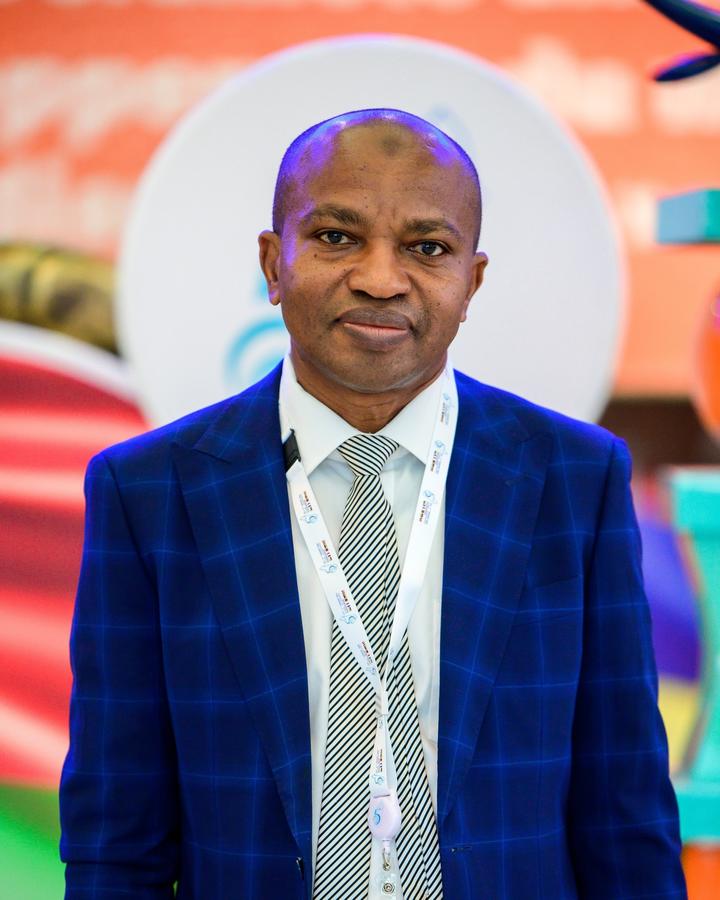
Anfani Msoili, Indian Ocean Commission
Representing the Global Environment Facility, Jewel Joy Batchasingh, Environmental Specialist with the GEF’s Chemicals and Waste Focal Area emphasized the importance of integrated action to break the cycle of pollution across the islands.
“As we move into the final stages of implementation, we encourage all partners to invest greater effort in communication, visibility, and knowledge management. Capturing lessons learned, documenting successes, and sharing best practices will not only strengthen the project's legacy but also help inform and inspire future sustainable development efforts across Small Island Developing States,” said Jewel Joy Batchasingh, Environmental Specialist, Global Environment Facility (GEF).

Cross section of participants during the meeting
Business Mauritius, represented by Amandine de Rosnay, also underscored the importance of the project to the region and the central role of private sector engagement.
“Meaningful private-sector engagement goes beyond participation in meetings. It requires businesses to contribute to identifying challenges, testing solutions, investing in innovation and taking responsibility for the environmental impacts of their operations and supply chains. Through strong collaboration between governments, the private sector and regional institutions, we have a unique opportunity to develop sustainable solutions that are tailored to the realities of our islands and capable of delivering lasting impact," said Amandine de Rosnay, Head of Sustainability and Inclusive Growth at Business Mauritius.
Other key meeting highlights included a stock-take of progress since the mid-term review; discussions of crosscutting technical issues for project countries such as approaches for safe transportation of hazardous chemicals and waste from the ISLANDS Countries, promotion of sustainable tourism, opportunities for private sector development to enhance sound management of chemicals and waste in the Indian Ocean Countries. Additionally, the meeting also discussed common approaches for the procurement and installation of best available technologies to support the treatment and safe disposal of hazardous waste within the Indian Ocean Countries.

Participants at the Korogocho Material Recovery Facility in Nairobi
As the GEF-ISLANDS Indian Ocean Project enters its final phase of implementation, partners reaffirmed their commitment to translating lessons learned into lasting impact. Building on the progress achieved to date, participating countries and partners will intensify efforts to strengthen policy frameworks, expand private sector engagement, deploy innovative solutions for hazardous waste management, and enhance regional knowledge-sharing. By deepening collaboration and scaling proven approaches, the project aims to leave a lasting legacy of healthier communities, protected ecosystems, and more resilient, circular island economies across the Indian Ocean region.
The meeting concluded with a shared commitment to accelerate implementation, document and share successful practices, and position the Indian Ocean region as a model for integrated chemicals and waste management in Small Island Developing States. Through continued partnership among governments, regional institutions, the private sector, and development partners, the ISLANDS Programme will continue to demonstrate how collective action can drive transformative environmental and socio-economic benefits for present and future generations.
ABOUT

GEF-ISLANDS Indian Ocean project: The Indian Ocean component of the ISLANDS Programme, funded by the Global Environment Facility (GEF), is implemented by the United Nations Development Programme (UNDP) with the support of the Indian Ocean Commission (IOC) and Business Mauritius. It supports Comoros, Maldives, Mauritius and Seychelles towards better management of chemicals and hazardous waste to reduce risks, protect island ecosystems and promote non-toxic circular economies.