

 Locations
Redesigning Harmful Subsidies to Protect Uganda's Biodiversity
December 5, 2025
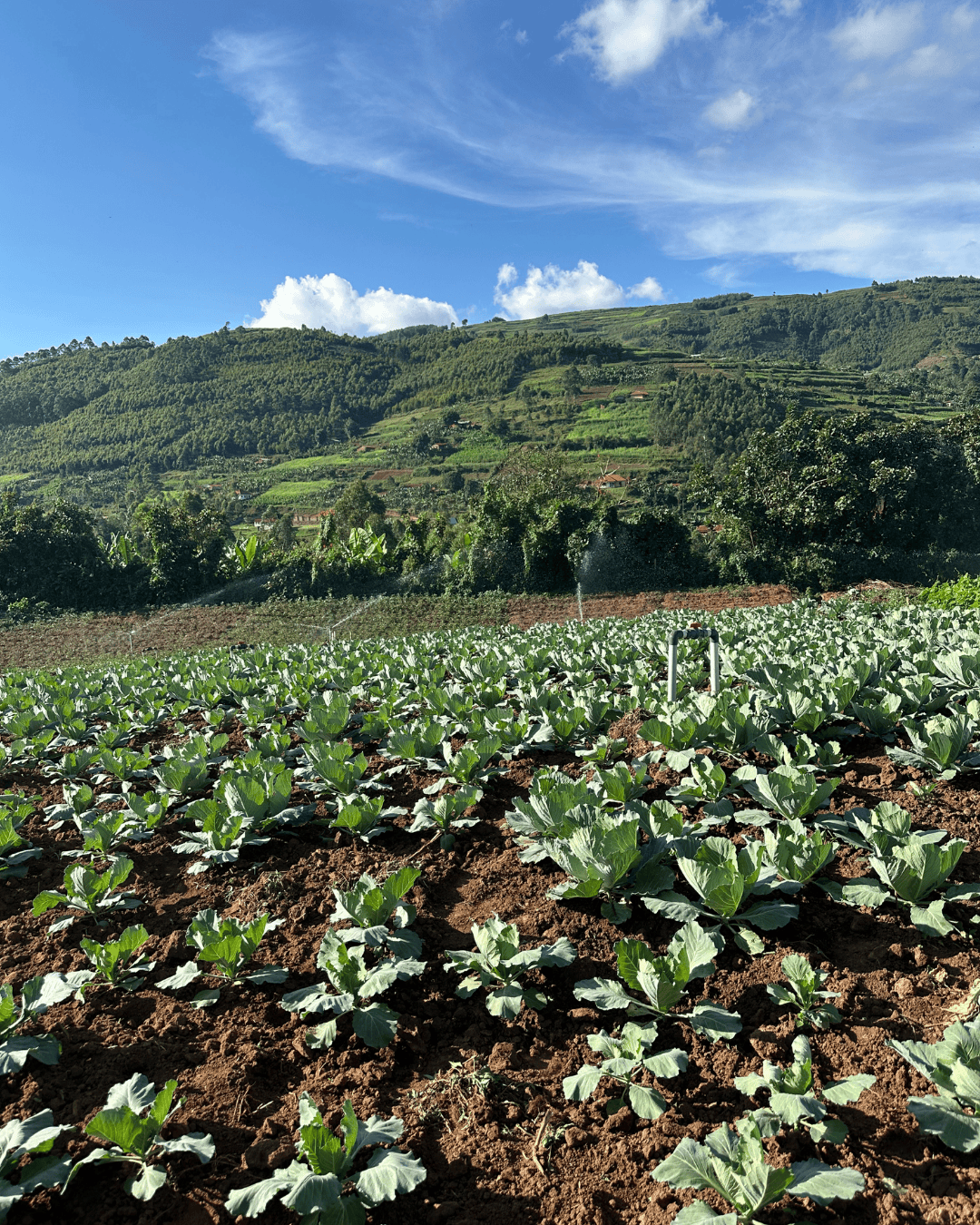
Cabbage growing on the hills of Kabale
Uganda has taken bold steps in reviewing and redesigning subsidies that negatively affect biodiversity. Some specific actions have included:
- Identifying, assessing, and quantifying the value and cost of each harmful subsidy;
- Understanding the potential redesigned options and prioritized efforts for considering the full range of social, environmental, economic and political economy options;
- Developing an action plan for redesigning and repurposing the prioritized subsidies.
These efforts have directly contributed to the country’s progress towards the achievement of Target 18 of the Kunming Montreal Global Biodiversity Framework (KMGBF) and the National Biodiversity Strategy Action Plan (NBSAP).

Recycled plastic bottles for reuse as waste bins at Lake Nabugabo Ramsar Site Eco-Tourism Craft & Information Centre
Target 18 of the Kunming Montreal Global Biodiversity Framework (KMGBF) requires that by 2025 countries will be able to identify, eliminate, phase out or reform harmful incentives for biodiversity, including subsidies, in a just, fair, effective, and equitable way. The target envisions a global reduction of subsidies on harmful incentives by up to USD500billion per year by 2030, while also scaling up positive incentives for the conservation and sustainable use of biodiversity.
In Uganda the United Nations Development Programme (UNDP) and the National Environment Management Authority (NEMA) have been implementing the Biodiversity Finance Initiative (BIOFIN). As part of this work, a recent study, titled “study report on harmful subsidies affecting biodiversity in Uganda” was developed with a view to further strengthening the Government of Uganda actions in respect to Target 18 implementation. The study developed a comprehensive Subsidy Redesign Action Plan (SRAP) aiming to reform fiscal policies that unintentionally harm biodiversity.

Tree growing in Mpigi district
The study identifies priority subsidies including tax exemptions on agricultural chemicals (fungicides & pesticides) that are intended to boost agricultural productivity to reduce soil degradation, water pollution, and harm to non-target species, that are unsustainable farming practices. The study makes important findings but also recommends some solutions in line with contributing to Target 18 implementation. These include:
- The agricultural chemical subsidy has adverse effects on various species and ecosystems, due to potential toxicity and consequence disruptions of ecological balance including pollution and potential contamination of natural water resources. The BIOFIN Uganda initiative recognizes the strong governmental focus in supporting agriculture development, considering that budget allocation for agriculture increased from 1,130 billion UGX in 2019-20 to 1,650 billion UGX in 2022-23. This continues to be significant with a view of reinforcing Government of Uganda’s progress towards Target 18. The technical brief outlines the proposed redesigning strategies for agricultural chemicals, including shifting subsidies to support organic inputs and biopesticides, investing in Integrated Pest Management (IPM) research and farmer training, and introducing performance-based tax credits for reduced chemical use.
- The report indicates that tax exemptions on packaging materials for export are promoting competitiveness in global markets. Nonetheless there are associated impacts such as those leading to increased use of non-biodegradable materials that contribute to pollution and waste management challenges. The BIOFIN Uganda initiative recognizes that while there is a strong governmental focus in incentives on production of packaging material, UGX 13.7 billion cost of plastic incentives to produce packaging materials in 2022-23 was largely a response to the COVID-19 pandemic, aimed at increasing production to address the shortfall caused by the pandemic. These actions continue to be significant with a view of reinforcing Government of Uganda’s progress towards Target 18. For packaging materials, especially plastic, it is vital to implement tiered subsidies based on environmental impact, offer rebates to companies reducing waste or using recycled materials and encourage biodegradable and recyclable packaging through targeted incentives.

Camel walking in Amudat
Effectively implementing this recommendation is being supported under the BIOFIN Uganda project. Reducing biodiversity loss and pollution, promoting sustainable agriculture and industry, and improving long-term economic viability and resilience will enable Uganda to effectively address both environmental and economic impacts. Through repurposing harmful subsidies and incentivizing eco-friendly practices, Uganda is setting a powerful precedent for balancing economic growth with environmental stewardship.
Monique Akullo,
National Coordinator for Biodiversity Finance Initiative (BIOFIN)
Related
content
content


