

 Locations
Advancing Environmental Sustainability and Climate-Resilience through the Investment Programme for Resilience (IPR) Interventions
August 19, 2026

UNDP/PAPP is committed to promoting environmental sustainability and climate-resilient development as a core pillar of its interventions. Guided by this commitment, the Investment Programme for Resilience (IPR), funded by the Government of Germany through its Development Bank (KfW) and implemented in partnership with national and local institutions, supports vulnerable communities across the West Bank and Gaza through integrated and context-sensitive interventions that strengthen resilience, improve livelihoods, and protect natural resources.
Across its different phases, the programme has consistently prioritized environmentally responsible infrastructure, efficient resource management, and climate-sensitive development approaches. These efforts contribute to long-term sustainability in fragile and underserved areas by enhancing resource efficiency, reducing environmental risks, and supporting communities to better adapt to the impacts of climate change.


Sustainable Water Management and Irrigation Infrastructure
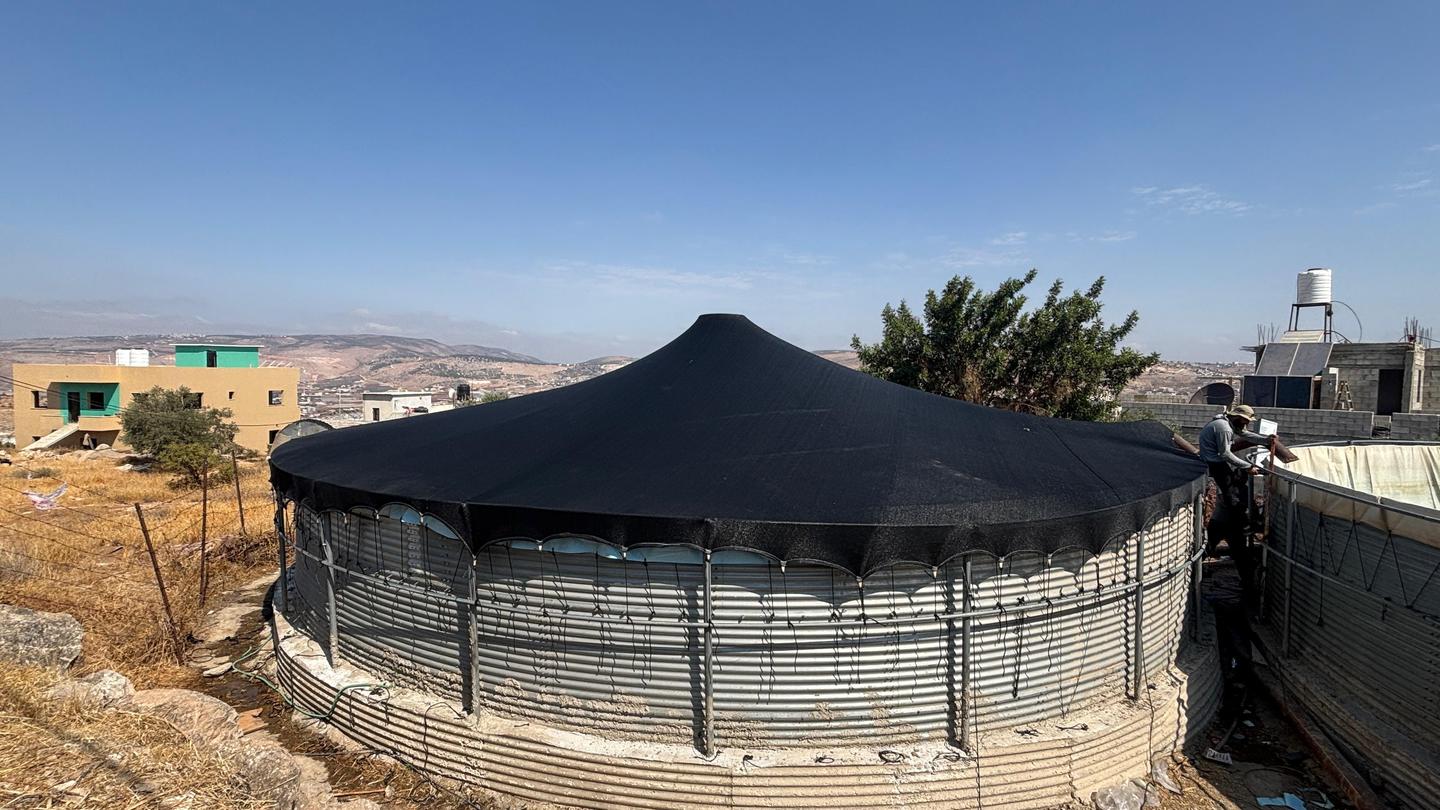
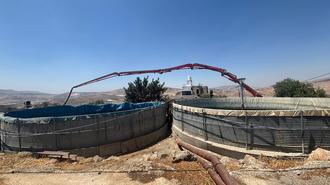
Under IPR, investments have been made to enhance water security and agricultural resilience. In Tammun, Tubas Governorate, the rehabilitation of three water cisterns with a total capacity of 1,500 m³ has improved irrigation efficiency and supported sustainable agriculture.
The intervention benefits approximately 220 farmers, 75% of whom are women, supporting irrigation for around 500 dunums of greenhouses and agricultural land.
In addition, in Beit Liqya, an agricultural cooperative initiative implemented through Al Marsad – Liberated Villages Coalition has further strengthened community-based water management and climate resilience. The intervention supported the excavation and construction of a 5,000 m³ water reservoir. This has enabled farmers to shift from reliance on expensive drinking water to more sustainable agricultural water sources from the valley, significantly reducing production costs and improving resource efficiency. It also establishes a scalable model for expanding access to irrigation water to additional farmers and agricultural areas in the future.
“These projects help us greatly as farmers in increasing crop yields. Before this initiative, I used to harvest 100–150 sacks, but with the availability of water, I now harvest 500–600 sacks a day.” Fuad Asi- Beneficiary of the Beit Liqya Cooperative
By improving water storage and reducing losses, the programme strengthens climate adaptation and resilience through efficient water use, reduced environmental pressure, and more sustainable livelihoods in vulnerable rural communities, supporting sustainable agriculture in one of Palestine’s key food-producing regions.

Green Building and Resource Efficiency – Aman Center, Hebron
A flagship environmental achievement under IPR is the establishment of the “Aman Center” in H2 Hebron, which is being registered as the first green building in Hebron Governorate.
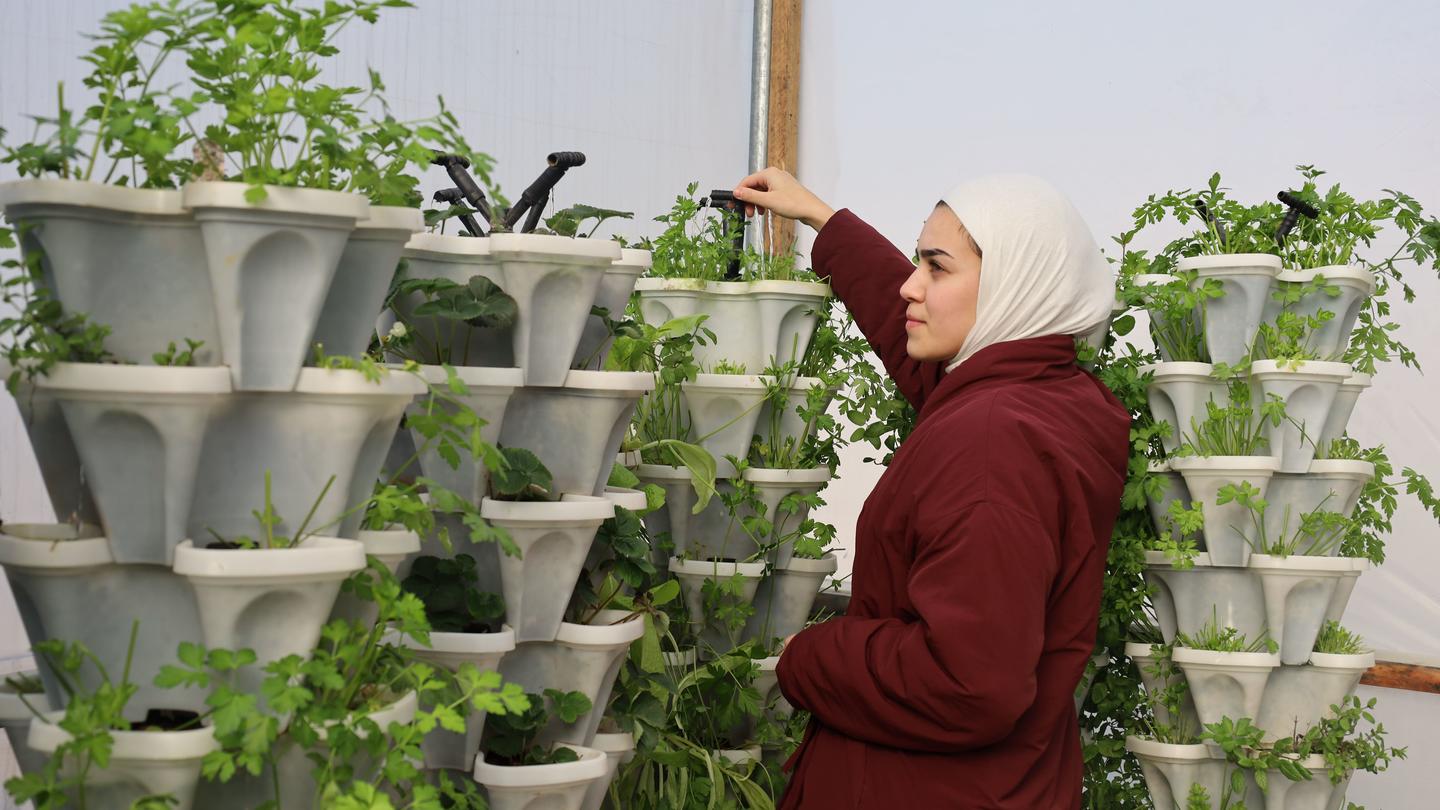
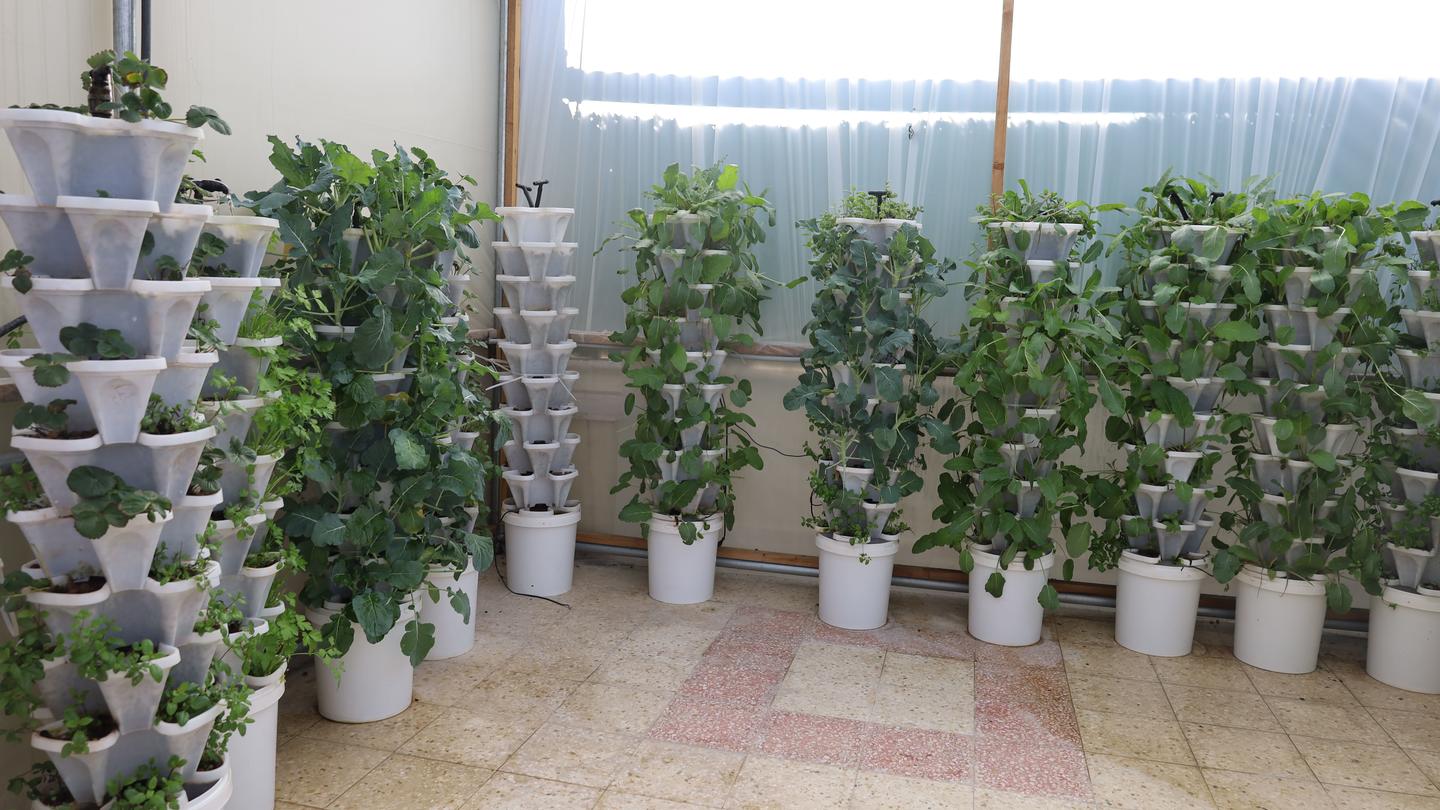
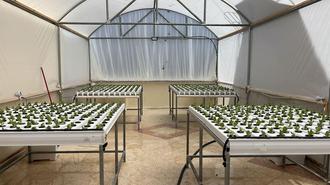
The center promotes resource efficiency by reducing energy, water, and material consumption compared to conventional buildings. Key sustainability features include: Installation of solar energy systems for clean electricity generation, recycling and reuse of wastewater for irrigation purposes, introduction of hydroponic farming systems that significantly reduce water use and integration of environmental awareness and community-based green initiatives
“I've always been passionate about agriculture. After six years of traditional farming, I joined hydroponic training to explore a more sustainable and efficient method, especially in saving water. " Zuhaira Da'na, 50 years old, a participant in the hydroponic farming training at Aman Center
These interventions are complemented by community engagement activities, including youth-led environmental campaigns such as tree planting, recycling initiatives, and plastic waste reduction.


Rehabilitation of Community Green Spaces and Urban Environment
IPR has supported the revitalization of public and community spaces to enhance environmental quality and urban sustainability. In the Old City of Jerusalem, an abandoned and deteriorated 300 m² site was rehabilitated and transformed into a vibrant community hub.
The intervention included the restoration of the Abnaa Al-Qudus Community Center and the rehabilitation of the surrounding green areas, creating an accessible public space that has welcomed over 2,000 residents. The site now serves as a green urban environment that promotes environmental well-being, encourages social interaction, and enhances the quality of life for families and the wider community.



Inclusive Green and Social Initiative
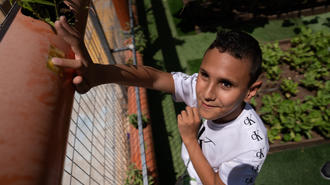
The IPR Programme supported the launch and implementation of the “Growing Together for Inclusion and Social Cohesion Initiative” at the Association for the Care of the Blind in Jenin, in partnership with the Directorate of Education in Jenin. The initiative focuses on transforming the association’s educational and agricultural garden into an interactive hub for community-based learning and inclusion between blind and sighted children through participatory agricultural activities supervised by specialists in agriculture and visual rehabilitation.
The initiative includes improving the garden’s infrastructure, planting seasonal crops, and training children in sensory-based farming skills, food sustainability, and the use of alternative senses in learning. It also incorporates joint volunteer activities with schools and the local community to promote cooperation, participation, and acceptance of others. In addition, the initiative is linked to vocational rehabilitation programmes aimed at strengthening life skills and enhancing the independence of children with visual impairments, demonstrating how environmental action can be integrated with social inclusion and community cohesion.
The intervention also included the rehabilitation of the kitchen and the establishment of an accessible dining hall for persons with visual impairments. This initiative demonstrates how environmental action can be integrated with social inclusion, ensuring that vulnerable groups are actively engaged in sustainable practices and community-based green spaces.
Medical Waste Management and Environmental Health Protection
Under IPR, investments have also strengthened environmentally safe health infrastructure. Medical waste treatment systems (autoclaves) have been installed in five hospitals across the West Bank, including Jenin Hospital, Yatta Hospital, Thabet Hospital (Tulkarem), Beit Jala Hospital, and Rafidia Hospital (Nablus).
These facilities improve the safe treatment and disposal of medical waste, reducing environmental contamination risks and enhancing public health and environmental safety standards within healthcare systems.
Environmental Governance and Risk Management
To ensure compliance with environmental and social standards, an Environmental and Social Management Framework (ESMF) was developed under the programme. The framework provides structured guidance for identifying, assessing, and mitigating environmental and social risks across IPR interventions.
It ensures alignment with the UNDP Social and Environmental Standards, as well as the standards required by KfW’s Sustainability Guideline—namely, the Environmental and Social Standards (ESS) of the World Bank and the International Labour Organization (ILO) Fundamental Conventions, Palestinian regulations, and international safeguard standards—while also supporting consistent monitoring, stakeholder engagement, and environmental accountability across all project components.




Supporting Agricultural MSMEs and Climate Resilience
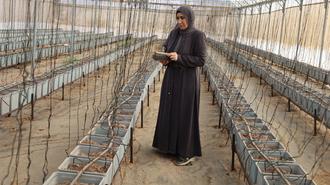
Agriculture remains one of the most climate-vulnerable sectors in Palestine, making resilient and sustainable farming practices essential for protecting livelihoods, food security, and natural resources.
Over the past two years, the Investment Programme for Resilience (IPR) supported more than 450 farmers through interventions such as greenhouse establishment and rehabilitation, irrigation rehabilitation, and the introduction of water- and energy efficient technologies, including hydroponic systems. These investments strengthened farmers' capacity to adapt to climate, and resource related challenges, contributing to more resilient and sustainable agricultural production.
Conclusion
The Investment Programme for Resilience (IPR) demonstrates a strong commitment to environmental sustainability as a core pillar of resilience-building in Palestine. Through investments in water infrastructure, green spaces, sustainable buildings, health waste management, and environmental governance systems, the programme contributes to long-term ecological balance, improved resource efficiency, and strengthened community resilience.
These integrated interventions reflect a holistic approach where environmental sustainability is embedded within social and economic development efforts, ensuring lasting impact for vulnerable communities.


