Locations
Powering Better Health Through Sustainable Energy
July 13, 2026

Solar panels installed under the Smart Health Facilities initiative provide clean and reliable energy to health facilities in Chicualacuala, Gaza Province. By powering critical services and reducing dependence on diesel generators, the initiative helps strengthen healthcare delivery, climate resilience, and sustainable development across Mozambique.
Reliable energy is a cornerstone of effective healthcare delivery. In Mozambique, where many communities continue to face the impacts of climate change, geographic isolation, and infrastructure challenges, access to sustainable and reliable electricity is essential to ensuring that health services remain available when people need them most.
Through the Smart Health Facilities initiative, the Government of Mozambique, with support from the United Nations Development Programme (UNDP) and funding from the Global Fund, is advancing innovative solutions that combine renewable energy, digital monitoring, and resilient infrastructure to strengthen health service delivery in vulnerable communities.
For many years, health facilities in Mozambique, particularly in rural and underserved areas, have faced unreliable electricity supply and frequent power interruptions. These constraints have undermined the continuity and quality of essential services, including vaccine storage, laboratory operations, pharmaceutical storage, maternity care, and emergency response.
In many locations, facilities relied on diesel generators as backup power sources. However, these systems are costly to operate, dependent on fuel availability, and often insufficient during prolonged grid disruptions. These challenges are further compounded by Mozambique’s vulnerability to climate-related shocks, including recurring cyclones, floods, and extreme weather events that continue to place pressure on infrastructure and public services.
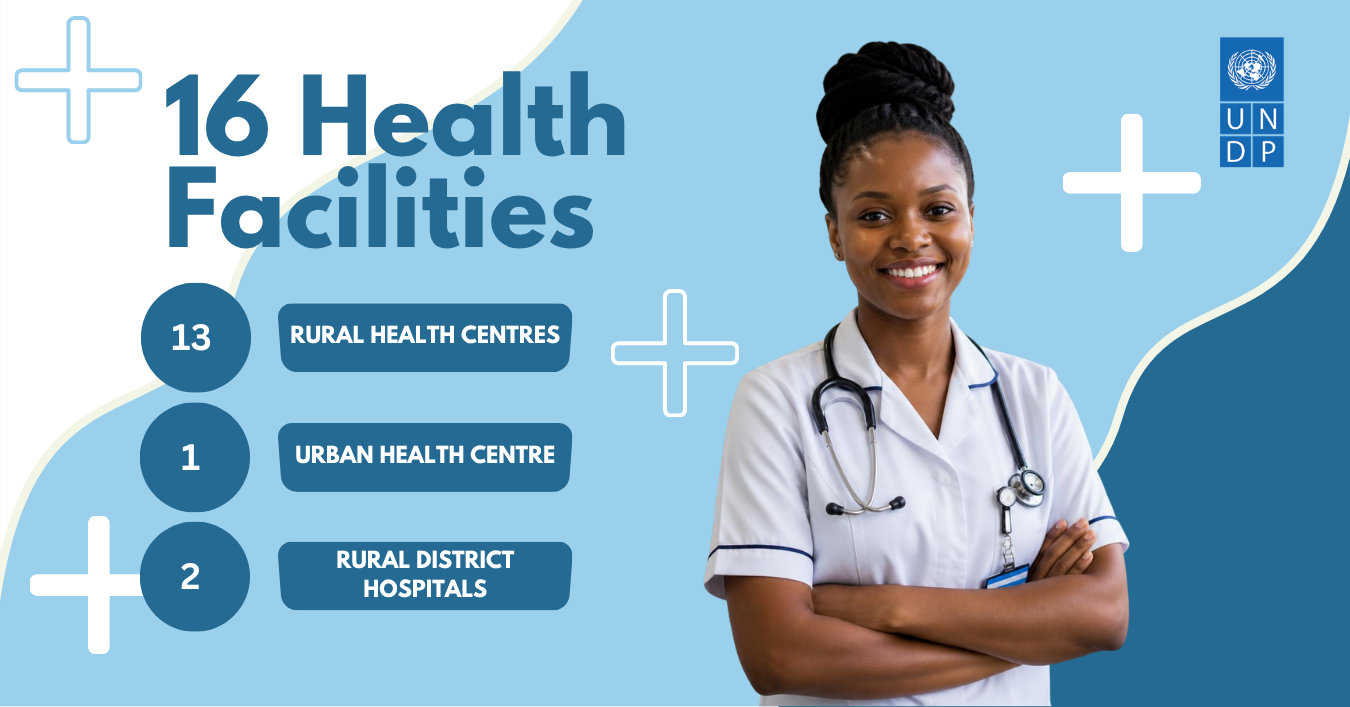
The Smart Health Facilities initiative responds to these challenges by deploying smart, solar-powered energy systems and digital monitoring tools that help optimize system performance and support long-term sustainability. In 2026, solar energy systems are being developed in 16 health facilities across nine provinces, including:
Commissioning activities and capacity-building sessions for healthcare personnel and government counterparts are being conducted during June and July 2026 to support effective operation and long-term sustainability of the systems.
For patients and communities, reliable electricity means greater confidence that health facilities can continue serving their needs, even in challenging circumstances. The initiative also delivers important gender-related benefits by improving the safety and continuity of care for women and newborns, particularly during nighttime deliveries and power outages, while also supporting better working conditions for frontline health workers—many of whom are women.
These benefits extend beyond individual health facilities, contributing to broader efforts to strengthen the resilience of Mozambique's health system. The initiative also demonstrates how climate action and health system strengthening can advance together. By investing in sustainable and resilient infrastructure, Mozambique is helping ensure that health facilities are better prepared to withstand future shocks while continuing to serve communities effectively.
The Smart Health Facilities initiative forms part of UNDP’s broader support to strengthen resilient and future-ready health systems in Mozambique. Under the leadership of the Ministry of Health and with support from the Global Fund, UNDP is contributing to a wide range of health infrastructure and systems interventions that include investments in public health laboratories, research and surveillance capacities, community health infrastructure, and medical supply systems. Together, these interventions are helping build a more resilient, sustainable, and responsive health system, better equipped to address both current needs and future health challenges.
Building on this progress, a clear scale-up pathway has already been established. A comprehensive business case is in place to expand solarization to an additional 84 health facilities nationwide, providing an investment-ready pipeline for future financing and broader impact.
The installation of smart solar photovoltaic systems across 16 health facilities represents an important milestone in Mozambique’s transition toward greener and more resilient healthcare. By powering essential services, protecting health gains, and strengthening climate resilience, sustainable energy is helping transform healthcare delivery and improve lives across the country. The Initiative contributes Mozambique's development priorities and advances progress toward the Sustainable Development Goals, particularly: