

 Locations
INCLUSIVE NATIONAL DIALOGUE: young people debate challenges and share recommendations for potential reforms
April 1, 2026

Participant contributing to the discussion
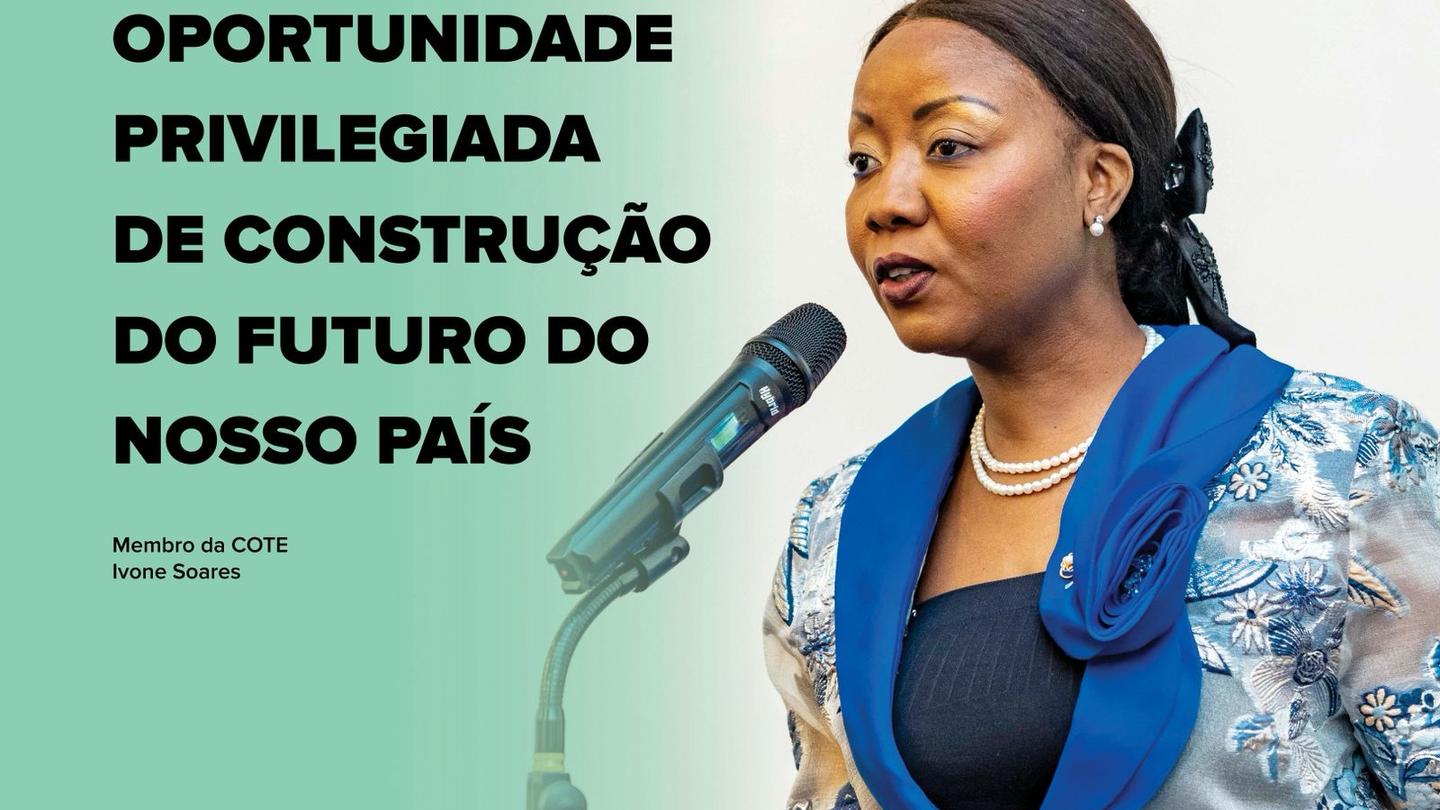
Following the launch of the first phase of consultations, which covered the entire national territory and the diaspora, the second phase is underway, focusing on rural areas from March to May 2026. As explained by the President of the Technical Commission (COTE), Dr. Edson Macuacua, “the priority is the ruralisation of the inclusive national dialogue, taking it to administrative posts and localities so that the process becomes more inclusive, representative, and gains greater legitimacy.” Targeted consultation initiatives are being implemented to ensure effective participation of all groups, including dedicated sessions for vulnerable groups such as youth people.
The Youth Consultation Programme was launched in Maputo on 7 November 2025, bringing together more than 165 participants (including 76 women), predominantly aged between 18 and 35. Participants represented diverse sectors, including academia, digital media, youth wings of political parties, community-based organisations, and other youth-led initiatives. The sessions were coordinated by a coalition of over 50 youth organisations, known as COPJ-DNAI (Youth Observation and Participation Commission of the Inclusive National Dialogue), in collaboration with the Technical Commission for the Implementation of the Political Commitment for the Inclusive National Dialogue (COTE), with technical and financial support from UNDP.




Thematic panels and interactive workshops
The inaugural session featured thematic panels and interactive workshops, providing young people with opportunities to share experiences, identify challenges, and propose concrete recommendations in areas such as education, employment, political participation, and innovation. Discussions were structured around COTE’s ten thematic working groups, addressing key issues including decentralization, justice, public administration, and natural resource management.
To enhance representativeness and territorial coverage, regional consultation sessions were subsequently held in the northern city of Nampula on 9 December, bringing together youth from Cabo Delgado, Niassa, Zambézia, and Nampula provinces, and in central city of Beira on 13 December, with participants from Manica, Tete, and Sofala provinces. Due to geographical proximity, Zambézia Province joined the North regional session. Each regional session engaged approximately 100 young people and was complemented by informal, community-level consultations in districts such as Rapale, Meconta, and Mecubúri, in Nampula Province. These consultations were conducted through direct engagement with communities, using approaches such as megaphones to reach and interact with people in local settings.
The contributions gathered throughout the consultation process will be consolidated into a comprehensive report, submitted to COTE on 13 March this year by the organisations leading the consultations, with technical support from UNDP. During the submission, representatives of these organisations emphasized that the report reflects the priorities, concerns, and proposals of the Mozambican youth consulted, and expressed hope that it will inform the work of COTE and its thematic working groups in the next phases of the dialogue, particularly in proposal development and submission to the competent authorities.
In addition to UNDP’s financial contribution, the consultation was also supported by the governments of Germany, Canada, Spain, Norway, the United Kingdom, and the European Union.
For more information on the discussions, reform proposals, and other key insights, please watch the video below: