

 Locations
By Martin Namasaka
Opportuna Marura: Building Resilience, Breaking the Cycle of Poverty
September 9, 2025

The first thing you notice when you meet Opportuna Marura is her calm, steady presence. She doesn’t rush her words, yet each one lands with weight, like someone who has seen both the fragility and strength of communities in crisis. As UNDP Kenya’s Emergency Resilience Officer, serving through the United Nations Volunteers (UNV) programme, Opportuna has devoted her career to something most of us only think about when disaster strikes: helping communities withstand shocks, recover, and most importantly, build resilience for the future.
But to her, resilience is not just about rebuilding. It’s about dignity. It’s about protecting livelihoods. And it’s about ensuring that poverty, the cruel cycle that disasters so often deepens, doesn’t get the final say.
We sit down to talk, and quickly, it feels less like an interview and more like a heartfelt conversation.

Let’s start at the beginning. What pulled you into the world of disaster management and resilience?
Honestly, it began right after high school. Disaster management caught my attention almost by accident, but I immediately saw how deeply it touched people’s lives. I did venture into IT at first, but fate had other plans, it nudged me back into this space.
I started with the National Drought Management Authority (NDMA), then worked with the Hunger Safety Net Programme (HSNP), and now here I am with UNDP. What keeps me going is the sense of fulfillment knowing that I’m not only helping communities recover after disasters, but also helping them prepare and become stronger.
You see, disasters hit the poor the hardest. They strip away livelihoods and reverse hard-won progress. For me, disaster management is more than emergency response, it’s long-term empowerment. When we help the poor build resilience, we are directly tackling the root of poverty. That’s why I connect so deeply to SDG 1: ending poverty in all its forms.

And in your role today with UNDP and the UNV programme how does this mission come to life?
Poverty and vulnerability go hand in hand. When disasters strike, it’s the poorest who suffer the most. That’s why I see disaster preparedness and recovery as part of the fight against poverty itself.
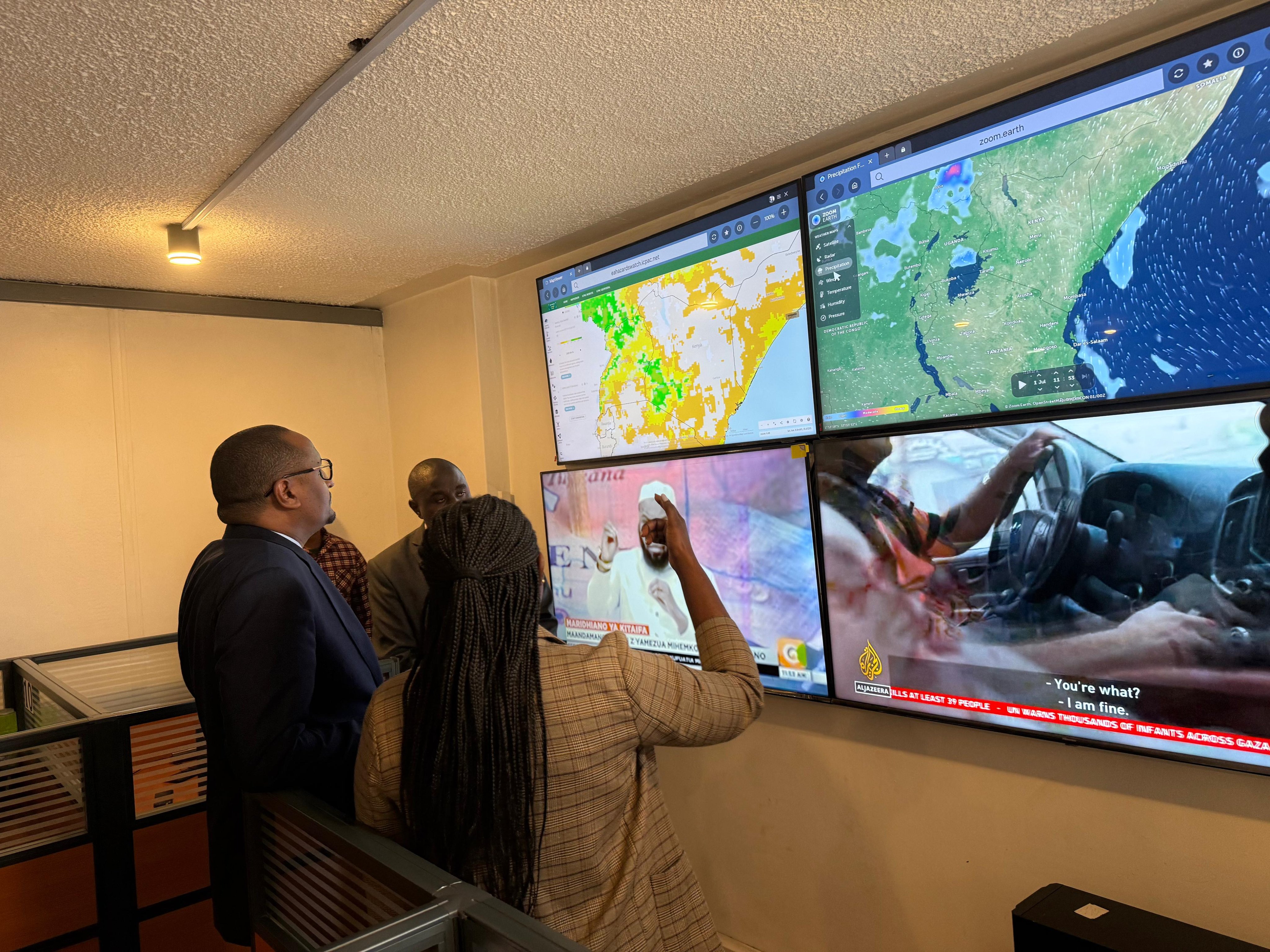
At UNDP, a lot of our work focuses on strengthening national systems. For example, tools like DesInventar, a disaster loss and damage database, are shifting the conversation from reaction to prevention. If governments and communities have reliable risk data, they can make better, faster decisions.
Another part I love is the growing coordination we’re seeing. Ministries, development partners, local authorities—we’re coming together, sharing data, and aligning on early warning systems. It means resources reach the right people at the right time. That’s huge.
So yes, I’m technically an “Emergency Response Officer.” But really, I see myself as part of a bigger system that gives people a better chance at stability, dignity, and resilience. And to me, that’s what ending poverty looks like.
From your experience, what does it take to truly accelerate poverty reduction in disaster-prone regions?
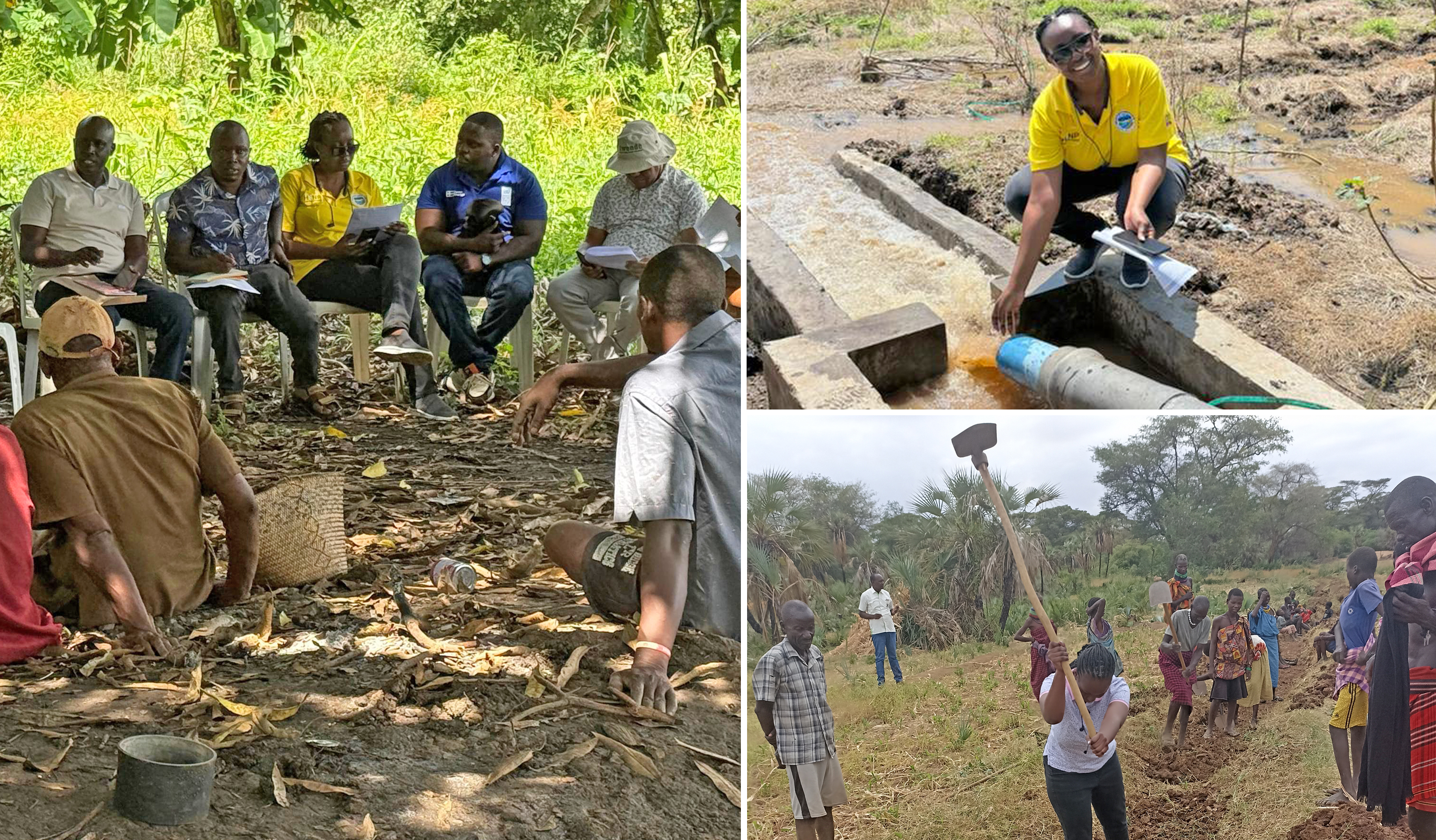
Partnerships, but the kind that are genuine and inclusive. Too often, communities are treated like passive recipients of aid. I’ve learned that the most powerful change happens when communities are co-creators of solutions.
Think about women’s groups, youth associations, or farmers’ cooperatives. These are already trusted structures. When we work with them, strengthen them, and make them more inclusive, progress becomes faster and more sustainable. Communities feel ownership, and with ownership comes responsibility.
I’ve seen it firsthand. A community that co-owns a water project doesn’t just use it, they protect it, maintain it, and make it last. That’s real resilience.
Of course, NGOs and government institutions like NDMA also play critical roles. They bring technical expertise, resources, and alignment with national frameworks. But without community voices at the table, efforts risk becoming top-down and short-lived. Poverty reduction must be rooted in local ownership if it’s going to last.
Can you share a moment when you felt the direct, human impact of your work?
Absolutely. One that will always stay with me was during a short-term assignment with WFP. I supported the pilot of Chakula kwa Jamii in Kilifi and Taita Taveta Counties. Unlike traditional aid where you distribute food in bulk, this initiative provided cash transfers.
I’ll never forget the reactions. People told me, “For the first time, we feel dignity in aid.” They could choose what their families needed most, whether food, school supplies, or healthcare. It wasn’t just about survival anymore. It was about choice, about ownership.
Hearing people speak so openly and confidently about their priorities was powerful. It reminded me why I chose this career. Disaster management isn’t just about saving lives in the moment, it’s about giving people the space to define their own recovery. That’s dignity. That’s empowerment.
How has UNDP shaped you personally and professionally?
Working with UNDP has stretched me in ways I didn’t expect. I’ve become more adaptable, resourceful, and collaborative. Emergencies teach you to think on your feet, but UNDP has also taught me the value of innovation because disasters evolve, and so must our solutions.
I’ve also grown in how I see resilience. It’s not just about physical infrastructure it’s about restoring confidence, protecting dignity, and empowering people to keep moving forward. That’s the human side of disaster management, and it has deepened my personal commitment to this work.
For me, this isn’t just a career. It’s a mission.
And outside of work? What keeps you grounded, or gives you joy?
(Smiling): Well, maybe praying! But seriously, even when I’m away from work, I find myself thinking about the gaps. Like road accident reports you’ll see “2 died, 1 injured.” But that’s not helpful. Who were they? Men, women, children, people with disabilities? Without that detail, we’re just guessing.
That’s why I’ve been envisioning a simple web app for police stations, where officers could input detailed, structured data about accidents and disasters names, ages, gender, geo-coordinates, everything. It would transform vague reports into real, actionable data that could save lives and improve responses.
But when I do unplug, I love evening walks. Just me, my thoughts, and fresh air. And I’m also a caregiver for my mum. That role has taught me love, patience, and resilience in ways that no professional training could. It’s shaped how I approach both life and work with empathy, with presence, and with a deep sense of responsibility.
As our conversation wraps up, Opportuna leans forward and leaves me with words that feel less like an answer and more like a philosophy for life:
“Resilience is more than bouncing back; it’s about empowering communities with the knowledge, tools, and strength to break the cycle of poverty and build a sustainable future. Every detail counts, from accurate data to inclusive partnerships. Because behind every statistic is a life worth protecting.”
