

 Locations
How small grants help build stronger communities and sustainable solutions in Kazakhstan
June 12, 2026

Kuralay Tuspekova, a prominent civic leader, Director of the National Delphic Committee of the Republic of Kazakhstan, and Chair of the Association of Creative Communities under the Assembly of the People of Kazakhstan
The United Nations Development Programme (UNDP) in Kazakhstan, in partnership with the Ministry of Ecology and Natural Resources of the Republic of Kazakhstan and with support from the Global Environment Facility (GEF), presented the results of the Seventh Operational Phase of the GEF Small Grants Programme (SGP), which supports local communities in implementing environmental and climate initiatives.
Over the past three years, programme participants implemented 25 initiatives across 10 regions of Kazakhstan, including Almaty, Akmola, East Kazakhstan, Karaganda, Kostanay, Kyzylorda and Turkistan regions, as well as the Abai, Zhetysu and Ulytau regions.
One of the key outcomes of the Seventh Operational Phase was strengthening the capacity of local communities and civil society organizations. By implementing their own initiatives, rural residents gained hands-on experience throughout the entire project cycle from identifying challenges and designing solutions to managing finances, procurement, implementation and results monitoring. This practical experience helps build the skills needed for more meaningful participation in local development and decision-making processes.

Shattyk Tastemirova, Deputy Director of the Climate Policy Department of the Ministry of Ecology and Natural Resources of the Republic of Kazakhstan
“Sustainable territorial development is impossible without the active participation of local residents. By supporting community-led initiatives, we are not only addressing environmental challenges but also strengthening the capacity of local communities and creating opportunities for greater citizen engagement in the development of their regions,”said Shattyk Tastemirova, Deputy Director of the Climate Policy Department of the Ministry of Ecology and Natural Resources of the Republic of Kazakhstan.
The Seventh Operational Phase reached 25,900 direct beneficiaries, including women, men and young people. Thousands of households adopted sustainable agroecological practices and sustainable land management approaches, while more than 120 organizations gained access to renewable energy and energy-efficiency technologies.
The practical experience gained by local communities was accompanied by significant environmental outcomes. As a result of the supported projects, 87,700 hectares of degraded land were restored, greenhouse gas emissions were reduced by 23,200 tonnes, and 124,000 hectares of landscapes are now under sustainable community-based management. In addition, seven practices and technologies have been replicated and adopted by other communities.

Sukhrob Khojimatov, UNDP Deputy Resident Representative in Kazakhstan
“The Small Grants Programme is both a learning platform and an investment in people and local communities. By taking projects from concept to implementation, including equipment procurement and ensuring long-term sustainability, community members gain practical experience in planning, resource management and results evaluation. These skills lay the foundation for sustainable local development and stronger local leadership,”said Sukhrob Khojimatov, UNDP Deputy Resident Representative in Kazakhstan.
The event brought together representatives of government institutions, UNDP, the National Steering Committee of the Small Grants Programme, local communities and civil society organizations. The programme featured panel discussions with grantees, beneficiaries and project partners, as well as a knowledge fair showcasing project achievements and innovative solutions.
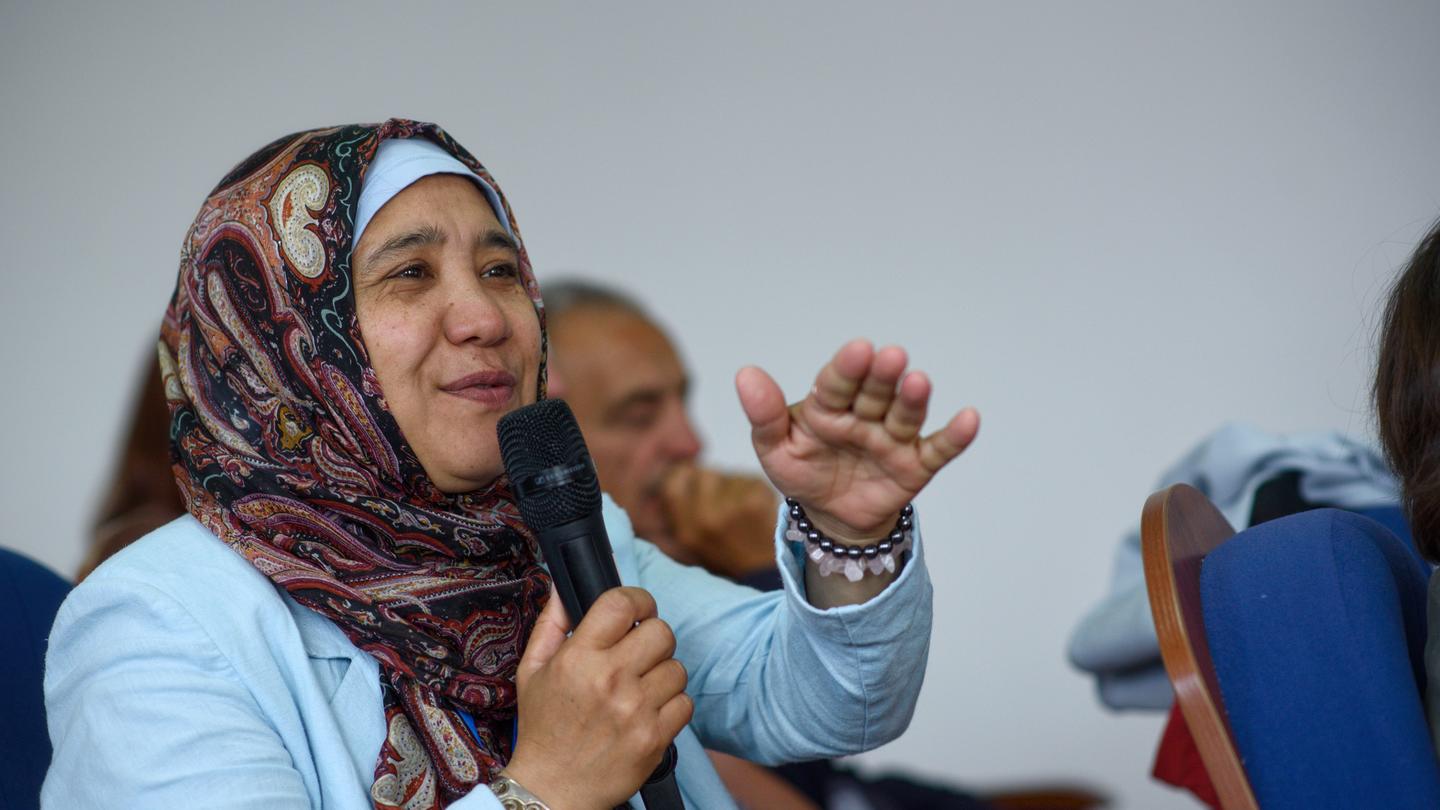


Supported initiatives included projects on youth climate education, agroecology schools, sustainable agricultural practices, land restoration, renewable energy development and waste management. The results of the Seventh Operational Phase demonstrate that small grants can serve as an effective development tool, enabling communities to implement sustainable solutions while contributing to Kazakhstan’s national environmental and climate goals.
***
Local Action = Global Impact
UNDP launched the Small Grants Programme in 1992 as a GEF pilot programme. The programme aims to support the development of non-governmental and non-profit organisations (NGOs) working in the GEF focal areas. Today, the GEF Small Grants Programme operates in 127 countries.
The Global Environment Facility Small Grants Programme (SGP) has been providing financial and technical support to civil society and community-based organizations at the local level to drive initiatives that address global environmental issues while improving livelihoods for over 30 years. Since 1997, it has supported 374 projects throughout Kazakhstan in the areas of biodiversity, land degradation, climate change, chemicals and waste, and international waters.
For more details on SGP’s work in the country, visit the SGP Kazakhstan page.
For information on SGP’s global portfolio, visit the global SGP website.
Related
content
content


