

 Locations
Five ways UNDP has been supporting the Government of Iraq in ending corruption and boosting foreign investment
January 24, 2024

UNDP's Anti-Corruption and Arbitration initiatives (ACAI) has been building on Iraqi efforts to address corruption in a sustainable manner and create a conducive environment for attracting foreign investments and private sector development. The Initiative has been supporting Iraq`s efforts to improve transparency and accountability across state institutions while working with them to revise and reform anti-corruption laws by providing specialized technical support.
Funded by the European Union, ACAI has achieved significant milestones through its five-year implementation. Directly aligning with the government's agenda to combat corruption, diversify the economy, advance e-governance, and attract foreign investment, ACAI has been acting as a catalyst for improved capacity, legislation, and a strategic framework for anti-corruption and commercial dispute resolution.
1- By improving policy, legislative and strategic framework for Anti-Corruption in Iraq,
.
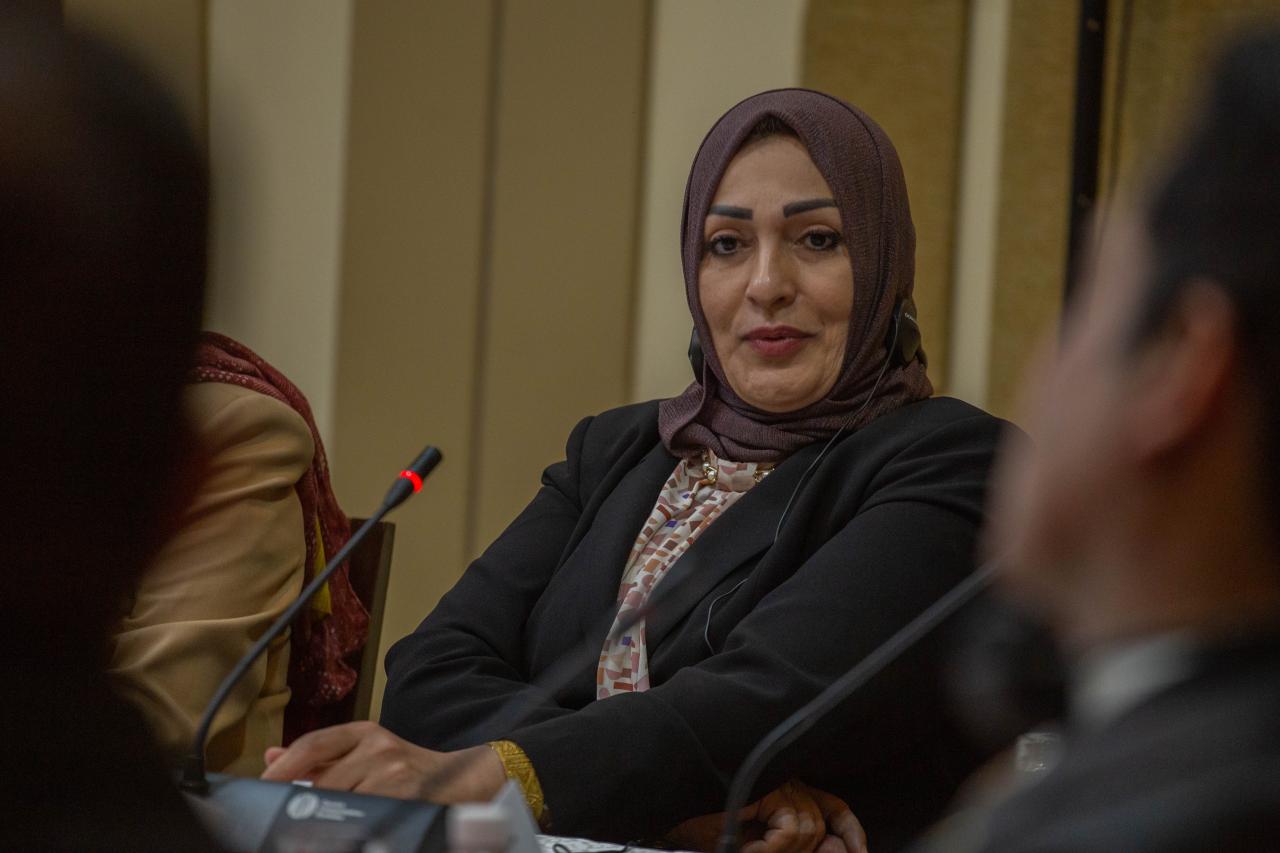

- The Arab Integrity Forum has been organized in Baghdad, bringing together over 300 participants from 30 countries, a key milestone in Iraq`s international positioning in promoting transparency and integrity.
- The legislative framework has been supported with the review of six draft laws and three legislations aiming to strengthen anti-corruption in the Iraqi legislation. The framework has also been supported through recommendations made and reviews undertaken against the UN Convention against Corruption; the laws are to be adopted by the federal parliament and the Kurdistan regional parliament.
- A significant milestone was achieved towards creating a transparent, informed, and empowered society in Iraq through the draft law on Access to Information, which is to be enacted by the Parliament. The law will support citizens to access information on public spending, holding the public authorities accountable.
- Strategic advisory and technical assistance are being provided to enhance Iraqi Asset Recovery Efforts, including the initiation of monitoring of asset recovery cases in courts.
- Policy and strategic assistance have been provided with more than 20 ministries and departments for the effective implementation of the National Anti-Corruption and Integrity Strategy of Iraq. Efforts have been reinforced by the development of Guidelines for government agencies on assessing corruption risks and legislative drafting.
- A number of analytical research papers have been devoted to study various critical aspects of anti-corruption measures, such as improving the asset declaration system for public officials, digitalization and inclusiveness of public services delivery, international standards on anti-corruption management and compliance, mainstreaming anti-corruption into Green Growth and Climate Investment Plans, strengthening whistleblowing frameworks, and others, with concrete roadmaps for improvement in these areas.
- Over 1000 public officials increased their capacity and knowledge in anti-corruption through workshops on diverse topics, including but not limited to legislation, anti-corruption reporting, corruption risk assessment and international framework.
- Through the Anti-Corruption Coordination Forum, UNDP strengthened the international partner’s synergies and coordination to avoid overlapping and maximise impact.
2- By supporting the capacity and integrity to process corruption offences,
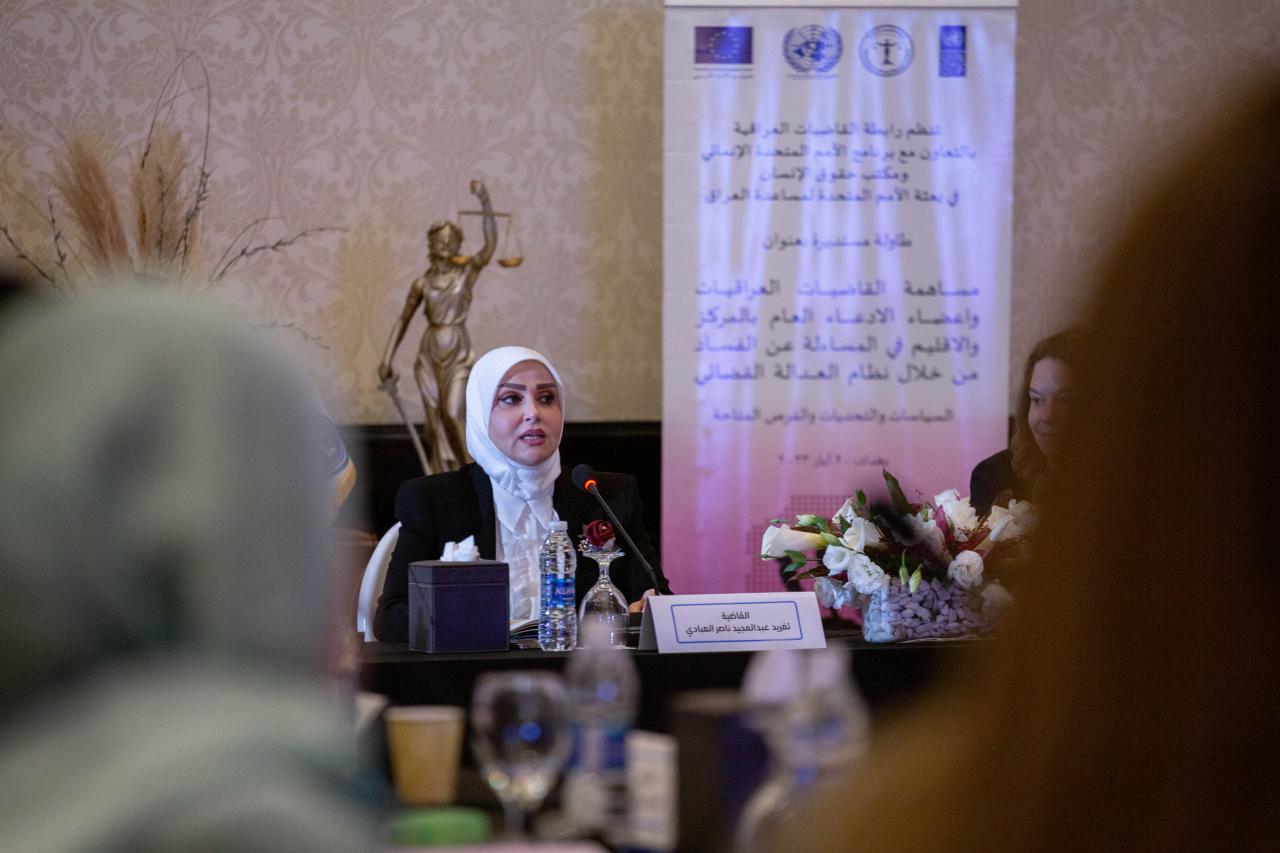
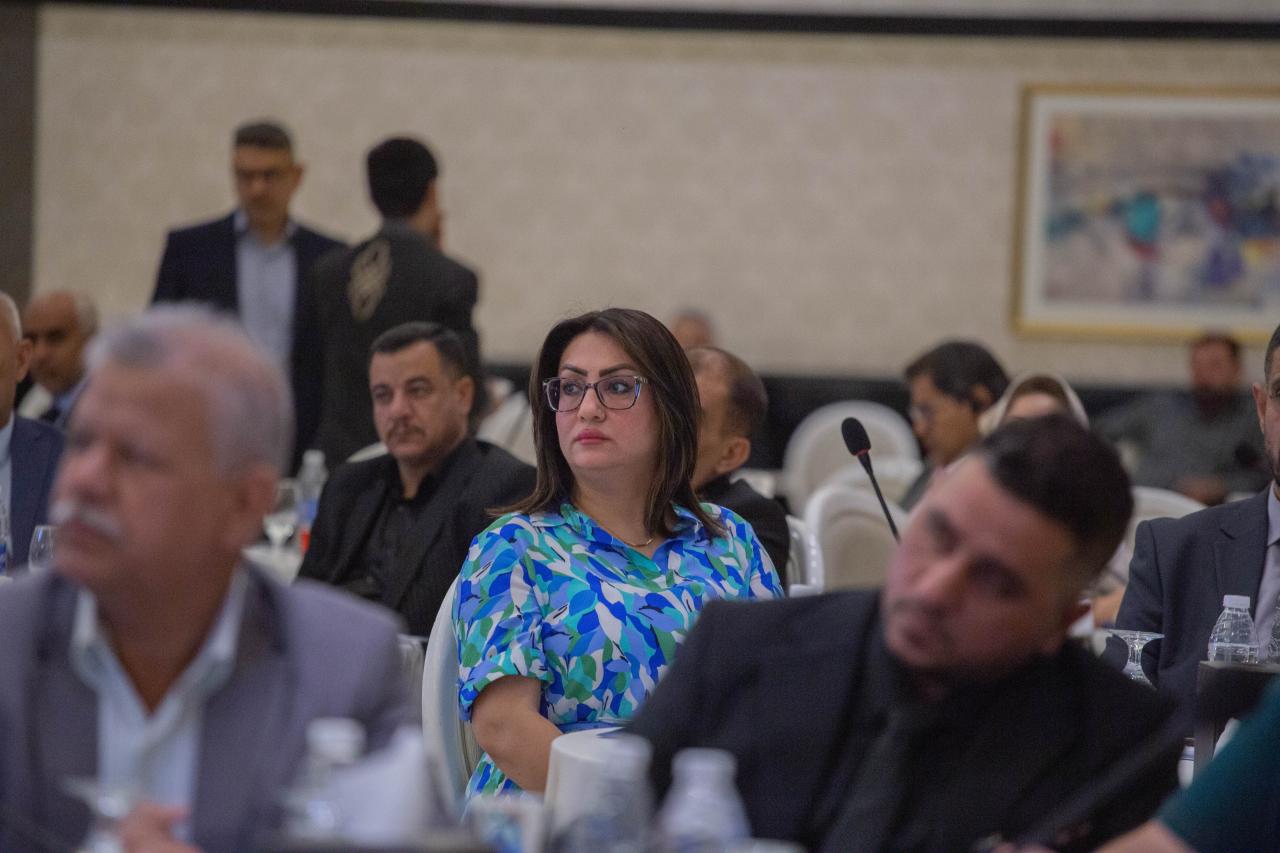
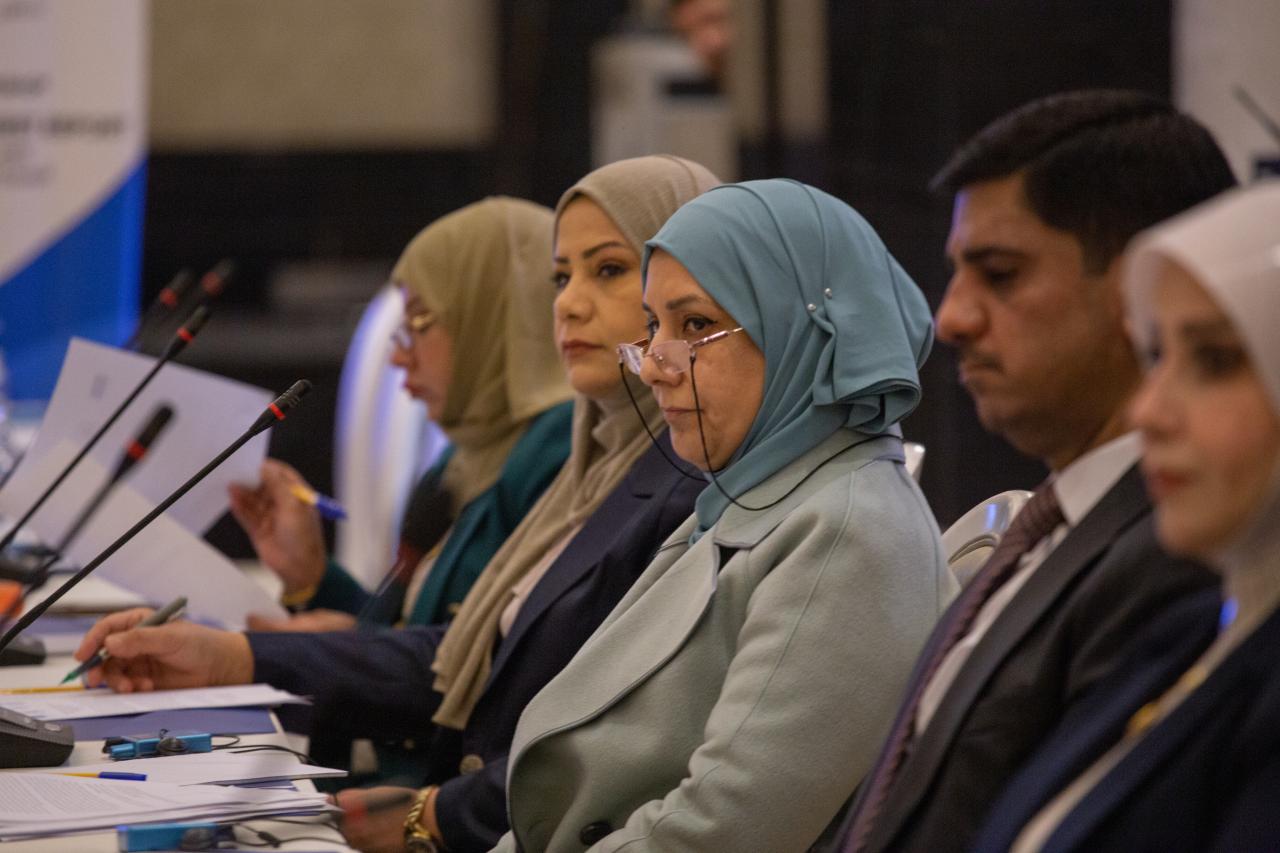
- To bolster the capacity and integrity of Iraqi courts in addressing corruption cases, UNDP, in collaboration with the UNAMI Human Rights Office, initiated the Trial Monitoring Programme in 2022, to closely observe grand corruption cases tried before the Central Anti-Corruption Court, Criminal Courts, and Integrity Misdemeanor Courts of Iraq.
- The Trial Monitoring Team has supported courts in identifying gaps and challenges within the judicial system. Major corruption cases have been monitored, and verdicts prior to the establishment of the programme have been reviewed, spanning both Baghdad and the Kurdistan Region of Iraq.
- The culmination of these efforts is encapsulated in the Trial Monitoring Reports, which provide comprehensive quantitative and qualitative analyses and offers tailored recommendations that address the unique needs of each stakeholder. These encompass legal reform, training and capacity building, as well as collaboration with civil society and the international community. Access to reports: Federal first report, Federal second report, Kurdistan region first report.
- Over 700 judges, prosecutors and investigators increased their capacity and knowledge in key areas like code of conduct, illicit enrichment and digital forensics through set of trainings.
- The space for direct policy dialogue with the government is enlarged through over 13 policy dialogue roundtables conducted with the participation of civil society, bar associations and other civil actors both at the federal and Kurdistan regional levels.
- For enhanced integrity standards within the justice institutions, UNDP is working with relevant authorities in developing Codes of Conduct compatible with international standards and providing the necessary training with respective authorities for the implementation.
3- By strengthening the capacity, institutions and legal framework for commercial dispute resolution
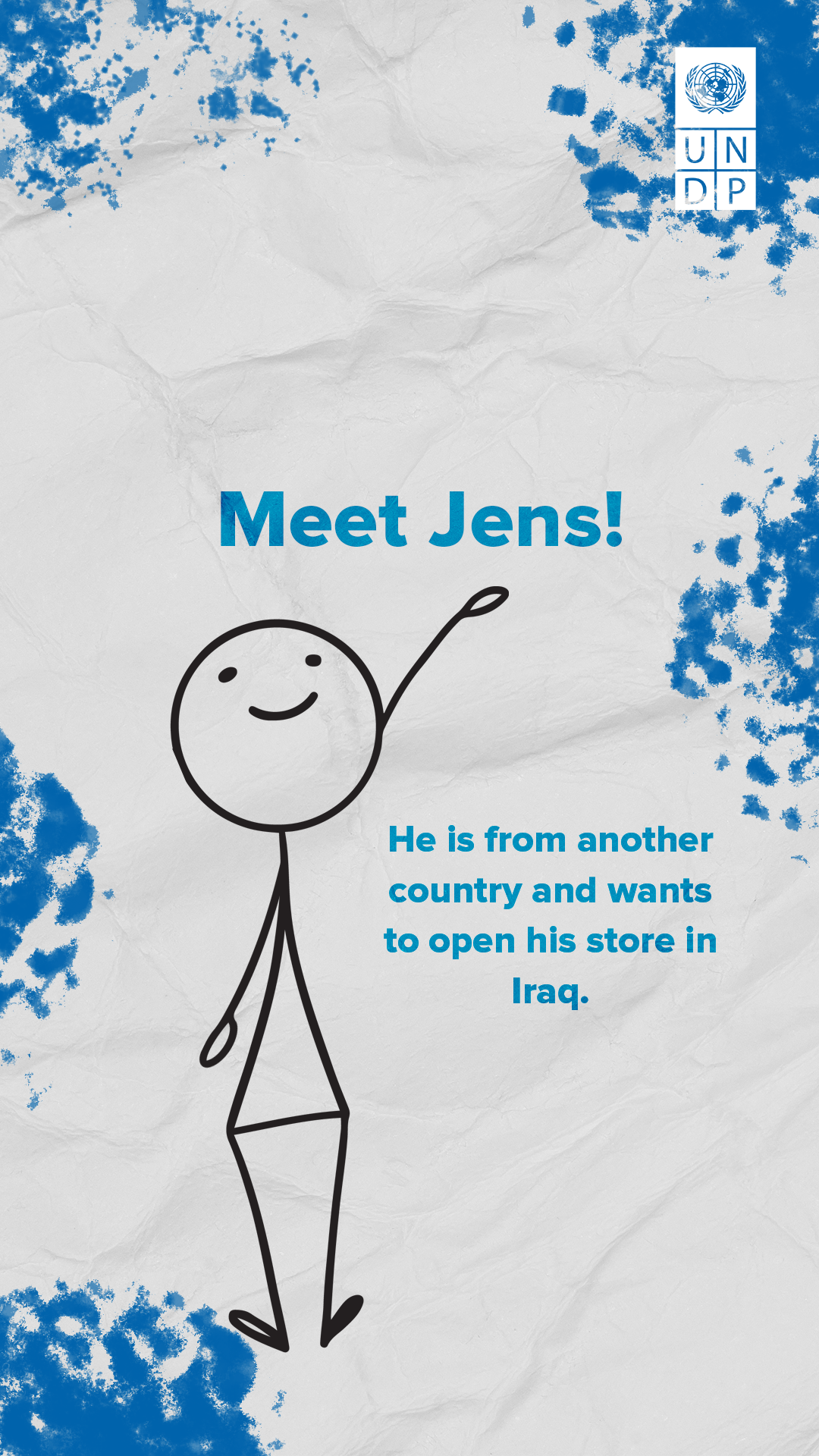

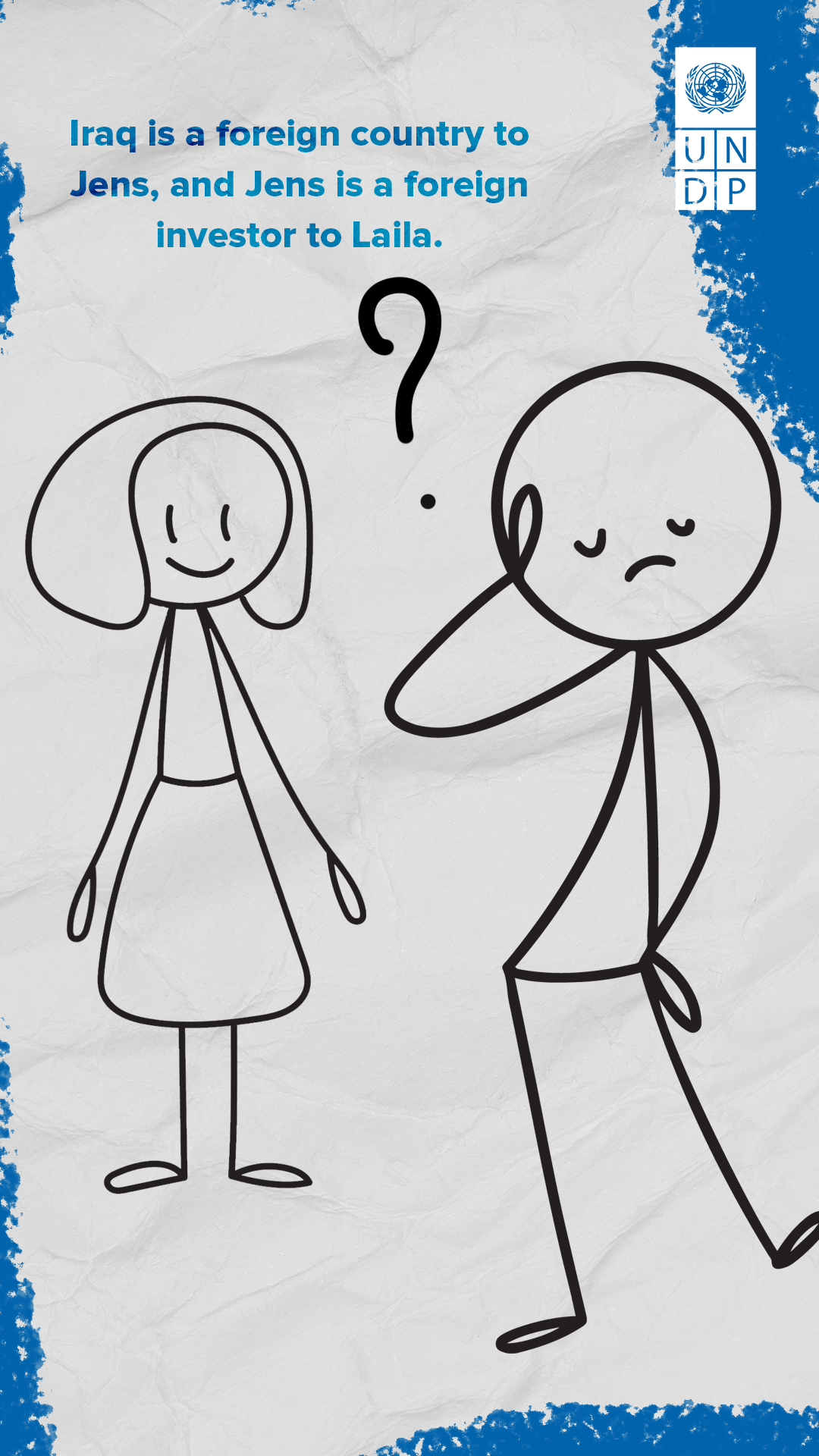




- UNDP has provided technical support in drafting the Law on Arbitration and has advocated for its adoption. As a result, the draft Law is in better compliance with the UNCITRAL Model Law and the best regional and international practices and is currently in its 3rd reading in the Parliament.
- In 2021, Iraq ratified the New York Convention, the essential treaty on enforcement of foreign arbitral awards. UNDP enhanced the capacity of judges to apply the Convention with a series of workshops for commercial and appellate court judges, followed by the Train the Trainer program for selected 5 judges, ensuring sustainability of its efforts to promote arbitration-friendly jurisprudence in Iraq.
- To enhance the knowledge and practice of arbitration in Iraq, UNDP trained legal professionals and academics in the knowledge and skills of arbitration, leading to the international accreditation as members of the Chartered Institute of Arbitrators (CIArb). This way first pool of Members of CIArb has been created.
- To raise awareness and knowledge on arbitration and mediation on a wider scale and in a sustainable way, UNDP has launched student initiatives: 1. facilitating the participation Iraqi universities in Arabic Arbitration Moot; 2. Organizing and supporting the first-ever international negotiation and mediation training and competition programme for students in Iraq. Check out the story of Zahraa and Mandana.

4- By creating a climate of support for anti-corruption in the federal parliament and the parliament in the Kurdistan region
- UNDP has increased awareness, knowledge and engagement of the parliamentarians for Iraq’s commitments with respect to the UN Convention against Corruption, the Doha Declaration, anti-corruption policies and strategies through high-level advocacy sessions.
- For enhanced integrity of the Parliament, UNDP is supporting both the Federal and Kurdistan Parliaments in developing codes of conduct.
- Respective capacity building efforts included parliamentary advisers in the Kurdistan Region of Iraq (KRI), who shall play a critical advisory role in developing anti-corruption policies and legislation in the region.
5- By galvanizing action among civil society, media and public to boost transparency and public accountability
- Over 50 investigative journalists and members of civil society are provided with resources, skills and knowledge to carry out investigative projects against corruption through a set of investigative journalism and reporting workshops to boost collective action and advocacy against corruption, as well as social demand for public integrity.
- UNDP has run the #PasstheBaton Campaign against corruption to galvanize action among the public and encourage using the reporting mechanisms against corruption. Over 65 million views on awareness-raising content have been reached. 32 million users of Asiacell and Zain have been informed about the campaign. A diverse target audience among the public engaged with anti-corruption messaging through the posts published by influencers and celebrities.
- #PasstheBaton’s impact extended beyond Iraq, earning recognition as the Best Non-Profit Campaign in the Middle East and North Africa at the prestigious MEPRA Awards, presented by the MENA PR Association. The campaign was also recognized as a finalist in the Best Use of Limited Budget category at the same awards
- To support the implementation of the Anti-Corruption Strategy in the Kurdistan Region, UNDP developed a website for planning, monitoring, and evaluating institutional action plans. The platform enables public and private institutions, CSOs, and political parties to track progress in line with the national strategy, promoting integrity, transparency, and citizen trust.
- UNDP has supported the communications, media and outreach capacities of the Federal Commission of Integrity, Supreme Judicial Council, Commission of Integrity and the Judicial Council in KRI, resulting in finalized Communication Strategies and implementation support.