

 Locations
Presence is not enough — Jubbaland’s women are reshaping how government works
July 15, 2026

Five participants from UNDP’s Gender Training of Trainers under the DowladKaab Programme.
KISMAYO, Somalia
One hundred and forty women working in local government across four districts in Somalia have completed a five-day Gender Training of Trainers under the United Nations Development Programme’s DowladKaab Programme, in an initiative aimed at strengthening women’s leadership and decision-making within the country’s public institutions.
The training, held in Kismayo, Barawe, Adado, and Jowhar in October 2025, brought together cohorts of 35 women public servants in each city. Sessions covered gender leadership, responsive governance, gender advocacy, and gender-responsive budgeting.
The programme addresses a persistent gap. Women hold approximately 20% of seats in Somalia’s federal parliament and 24% of the permanent civil service workforce — figures that reflect years of progress but also the distance still to travel. Advocates say the gap inside government offices, in planning meetings and budget discussions, remains wider still.
Omar Abdullahi Mohamed (Faraweyne), Mayor of Kismayo, said investing in women public servants is foundational, not incidental.
“This is not about filling seats,” he said. “It is about making sure that when decisions are made, the voices of half our community are not missing from the table.”
For participants, the training produced tangible shifts in practice. Halima Abdisalam Awad, 25, from the Social Affairs Department, used lessons from a gender-responsive budgeting session to flag that a planned community consultation for rural women had been scheduled at a venue most could not reach. She recommended relocating it and adjusting the timing. Participation increased markedly. “It showed me that budgeting and planning are not only financial,” Halima said. “They decide whose voice counts.”
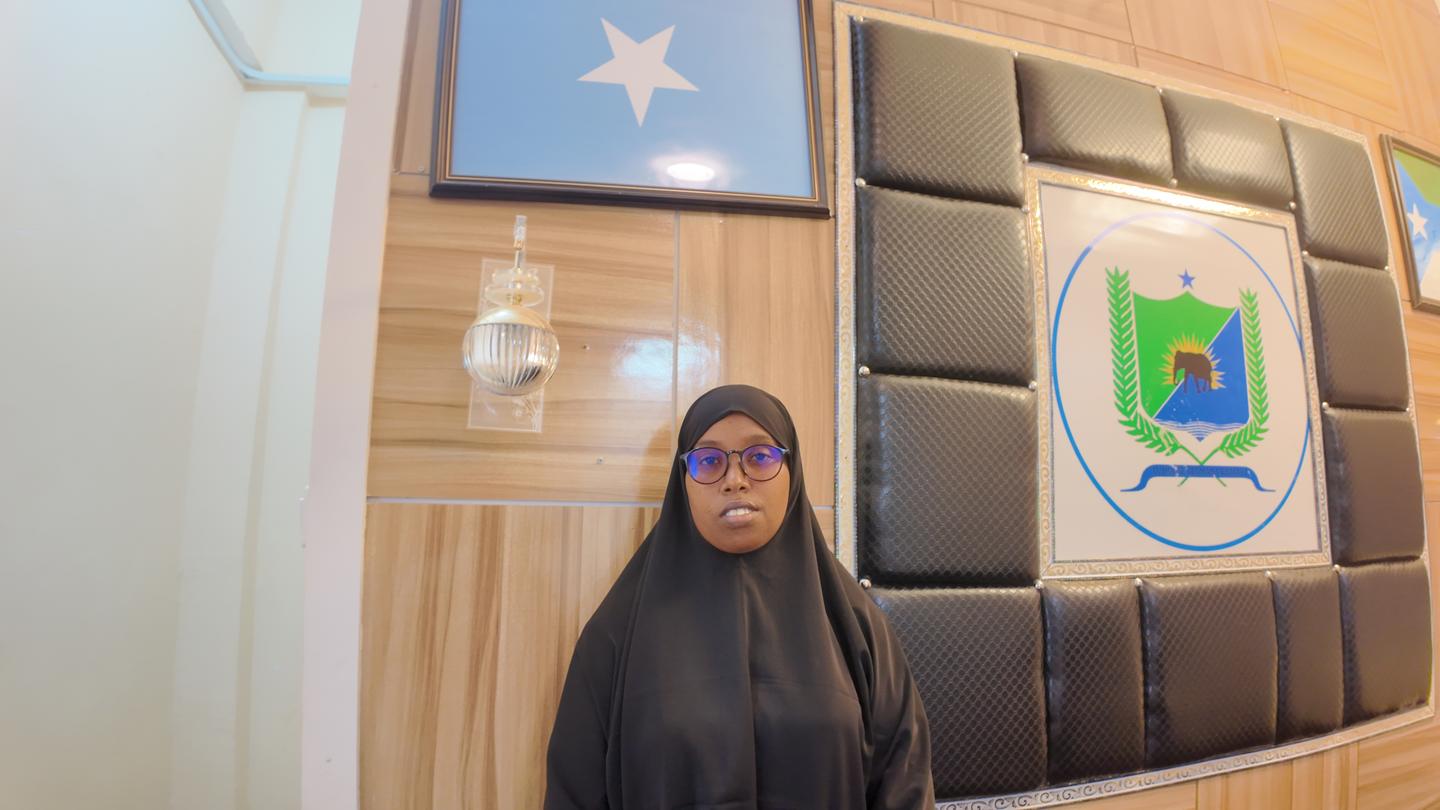
Halima Abdisalam Awad
Faaduma Khalif Xareed, 21, who works in planning and evaluation for rural development, said the training gave her language for a problem she had long observed. Having watched women remain silent throughout a community planning session despite being formally listed as participants, she had struggled to articulate what was missing. “I understood that silence, when it becomes the pattern, can begin to look like inclusion, even when it is not,” she said. She now documents not only attendance at meetings she facilitates, but who actually contributed to decisions made.
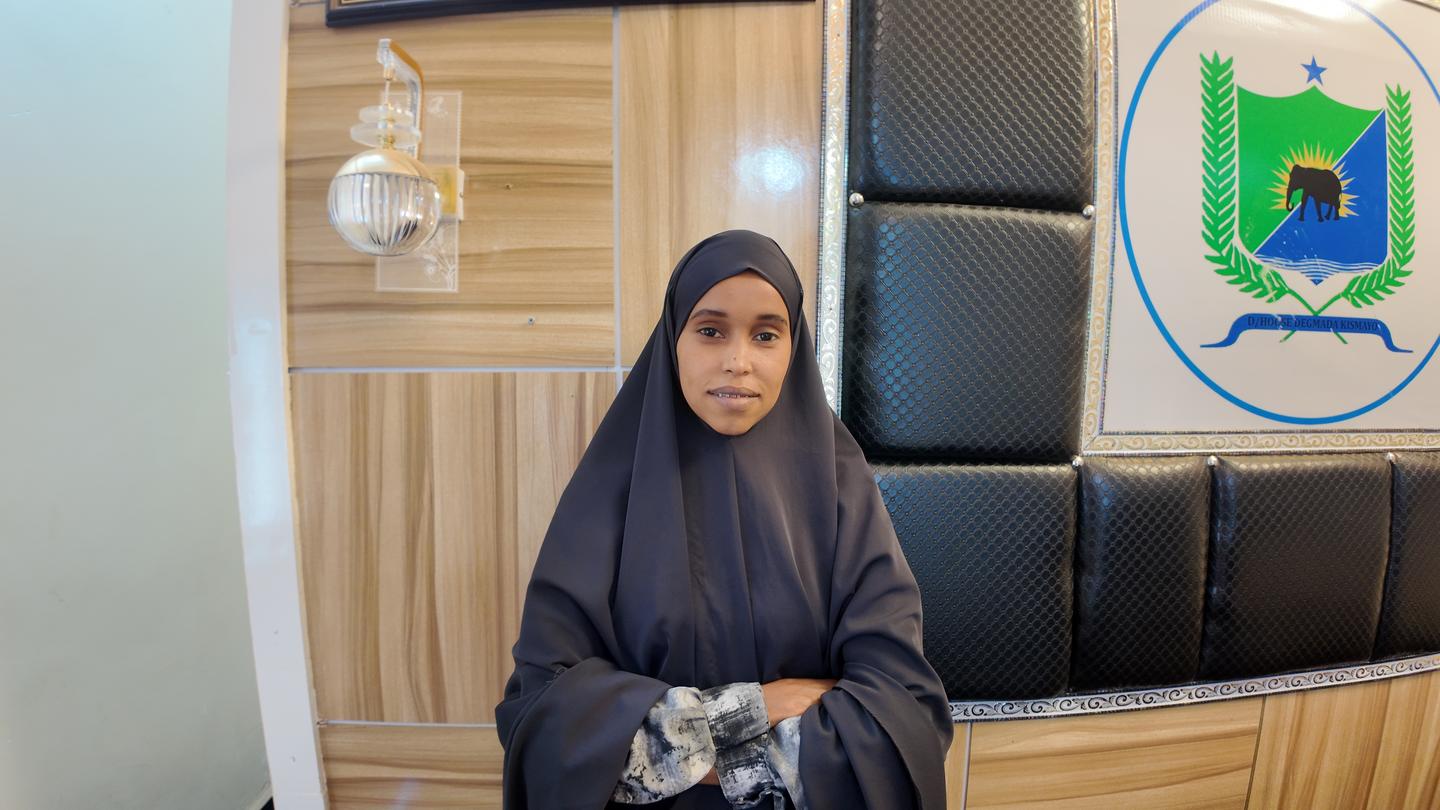
Fadumo Khalif Xareed
Ubah Abdullahi Shafici, 29, head of revenue in the tax department and a mother of five, said the training reframed a confidence she had been conditioned to suppress. “I was not lacking confidence,” she said. “I had been trained to hold back. And that training could be unlearned.” Following the sessions, she began visiting a camp for internally displaced people near her home, speaking with women about their rights and how to engage with public institutions without fear.
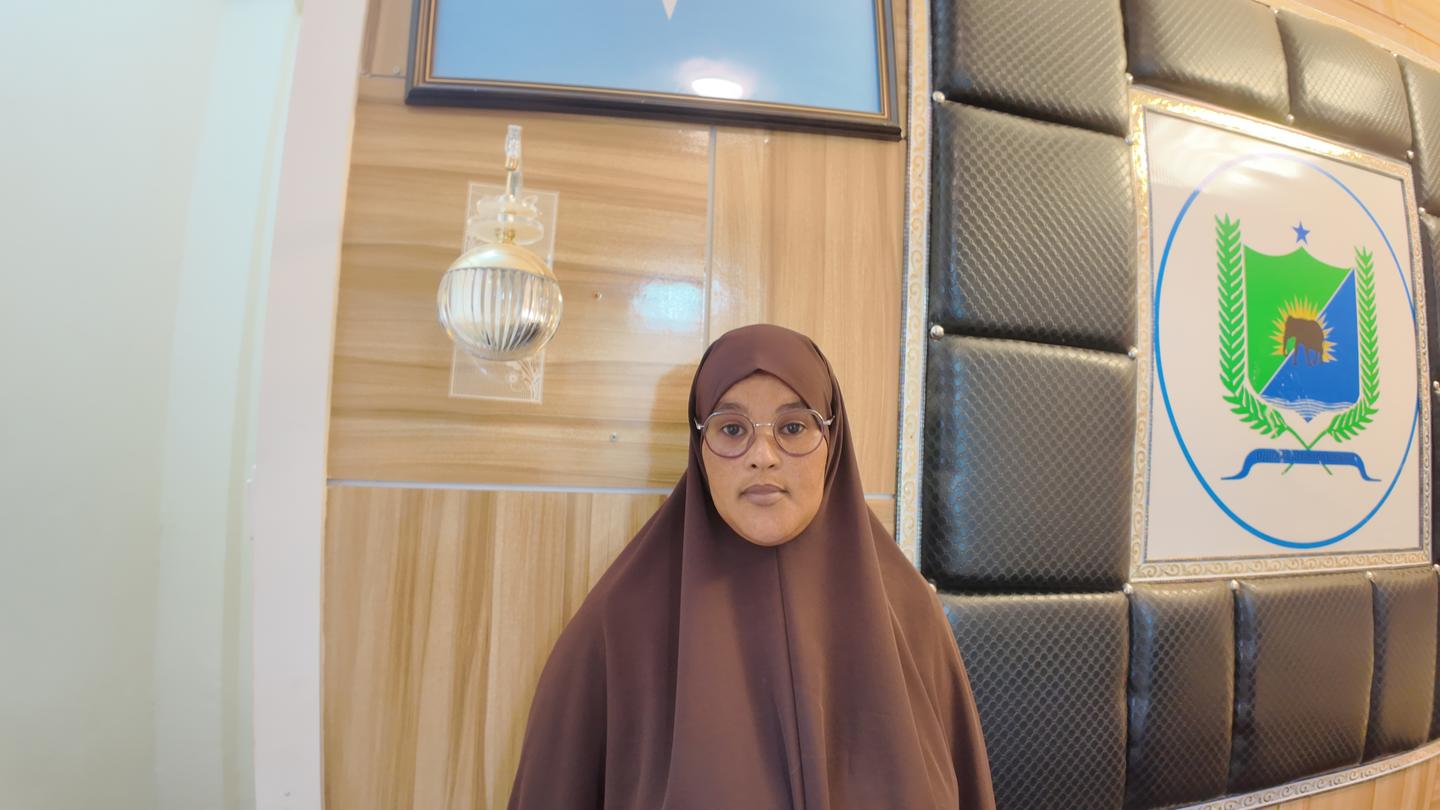
Ubah Abdullahi Shafici
For Nasra Hassan Jama, 27, a midwife nurse with the Ministry of Health under the Jubbaland State Government, the training reinforced a commitment already tested in practice. “I am not here to be accepted,” she said. “I am here to stand where others step back, to speak where silence is expected, and to remind every woman I meet that her voice is not something to be hidden. It is something to be protected.”
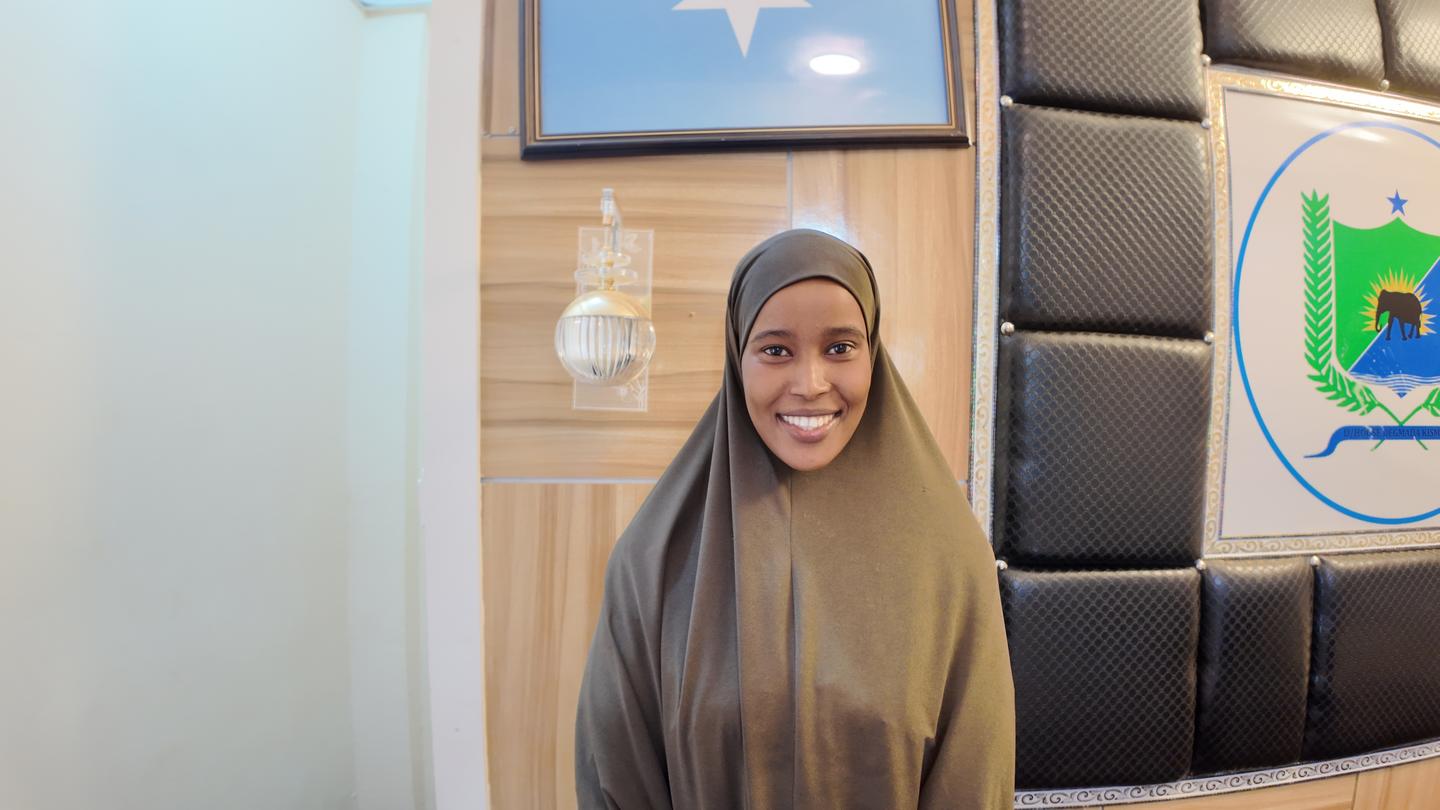
Nasra Hassan Jama
Asma Abdirahman Ahmed, 25, who facilitated the Kismayo sessions, said the shifts she witnessed across the five days were quiet but significant. “Confidence is not fixed,” she said. “It is shaped through environment, reinforced through opportunity, and sustained when space does not withdraw it too quickly.”
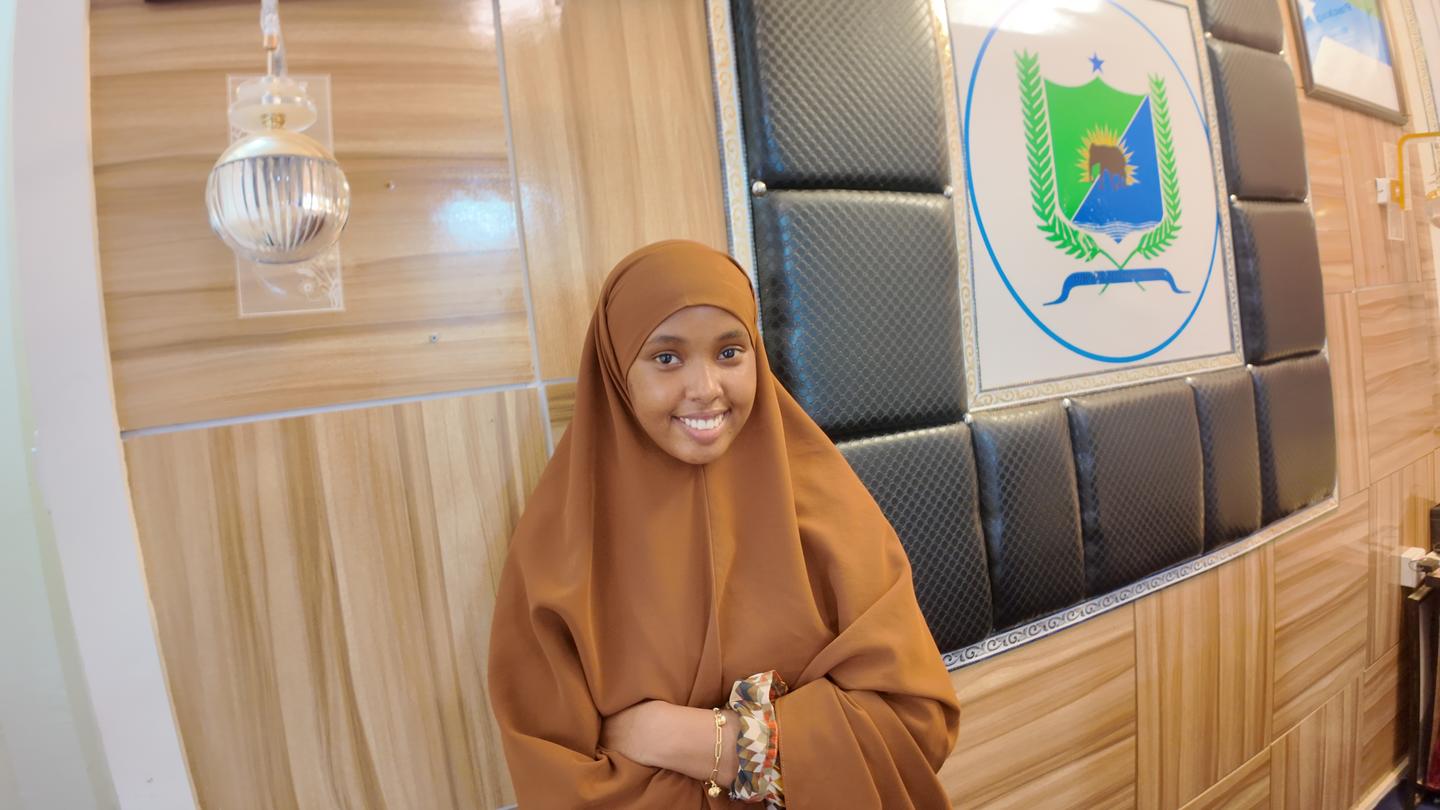
Asma Abdirahman Ahmed, The training facilitator
The Dowlad-Kaab Programme is jointly implemented by UNDP Somalia, UNICEF and UN-Habitat, in partnership with the Ministry of Interior, Federal Affairs and Reconciliation. Mohamed Adow, Director of Local Governance, said the training is part of broader efforts to build accountable, inclusive local governance.
The goal is to equip public servants with practical skills and platforms to strengthen participation in decision-making and improve service delivery,” he said.
Funded by Norway, Switzerland & the Netherlands, the Dawlad-Kaab Programme so far has made notable progress in promoting inclusive and sustainable governance system for enhanced basic social service delivery. Trained 606 local government officials (37% women) in HRM, Administration, PFM, Planning, and Procurement across four districts. Strengthened local government capacity through MOILG-led, donor-supported trainings delivered by expert consultants. Conducted 18 federal and state coordination meetings with 395 participants (28% women) to improve alignment and oversight. Implemented 8 LDF infrastructure projects enhancing municipal services, youth engagement, and flood mitigation Constructed and rehabilitated municipal offices, markets, community centres, and drainage systems in key districts. Developed and annually reviewed District Development Frameworks (DDFs) for Adado, Jowhar, and Kismayo. Integrated community-driven priorities into Annual Workplans and Budgets through participatory planning processes.
Read more about the project: Dowladkaab Promgramme
Related
content
content


