

 Locations
Judiciary and UNDP Partner to Strengthen Electoral Dispute Resolution in the Digital Age
August 26, 2025

Honourable Chief Justice Rizine R. Mzikamanda, SC (centre, front row), together with senior justices from Malawi and Kenya, the Attorney General, senior UNDP officials, and other stakeholders, during a group photo at the Conference on Knowledge Sharing on Election Dispute Resolution (EDR) in the Digital Age, hosted by the Malawi Judiciary.
With Malawi’s September 2025 General Elections nearing, the Judiciary, in partnership with UNDP, gathered judges for a two-day Knowledge Sharing Conference on Election Dispute Resolution (EDR) in the Digital Age.
Held from 25–26 August, the meeting aimed to prepare the courts to handle election disputes in a setting where technology increasingly influences electoral processes.
The Honourable Chief Justice Rizine R. Mzikamanda, SC, officially opened the conference, emphasising the Judiciary’s readiness to preside over electoral disputes. “Every Judicial Officer is ready, able and willing to handle such matters without hesitation,” he said, reaffirming the Judiciary’s independence, impartiality, and role as a guardian of democratic integrity.

Honourable Chief Justice Rizine R. Mzikamanda, SC, delivering the keynote address marking the opening of the two-day Conference on Knowledge Sharing on Election Dispute Resolution (EDR) in the Digital Age.

UNDP Chief Technical Advisor on Elections, Mr. Isaack Okero Otieno (centre), and UNDP Electoral Dispute Resolution (EDR) expert, Dr. George Carmona (left), attentively listen to a presentation during the Knowledge Sharing Conference on Election Dispute Resolution (EDR) in the Digital Age.
Tackling Technology-Driven Disputes
With the increasing use of election technologies such as biometric voter verification, electronic management devices, and digital transmission of results, new challenges for judicial resolution have arisen. The Chief Justice stated that although judges are not expected to be technology experts, they need to understand how these systems operate and how to assess disputes connected to them.
“This responsibility has become more complex and more crucial in today’s digital era,” he observed, urging judges to be prepared to assess irregularities linked to technology fairly and consistently.
The conference brought together senior justices from Malawi and their counterparts from Ghana, Kenya, and Nigeria to exchange experiences from landmark election petitions. Sessions centred on comparative jurisprudence, digital evidence, and strategies to maintain judicial independence in politically charged contexts.
UNDP’s Support to the Judiciary
Speaking on behalf of UNDP, Chief Technical Advisor for the Rule of Law and Human Rights, Dr. Rowland Cole, reaffirmed the organisation’s longstanding partnership with the Judiciary of Malawi. He noted that across more than 70 countries, UNDP had observed that judicial preparedness was a crucial element of electoral credibility and post-election stability.
“Election dispute resolution is not only about addressing legal claims—it is about reinforcing public trust in the institutions that safeguard elections, especially the courts,” he said. Dr. Cole commended the Judiciary Committee on Elections for ensuring that Malawian judges were well-prepared for the 2025 elections.

Honourable Chief Justice Rizine R. Mzikamanda, SC (left), receives two volumes of the Malawi Electoral Law Reports, a compilation of key judgments on electoral disputes.
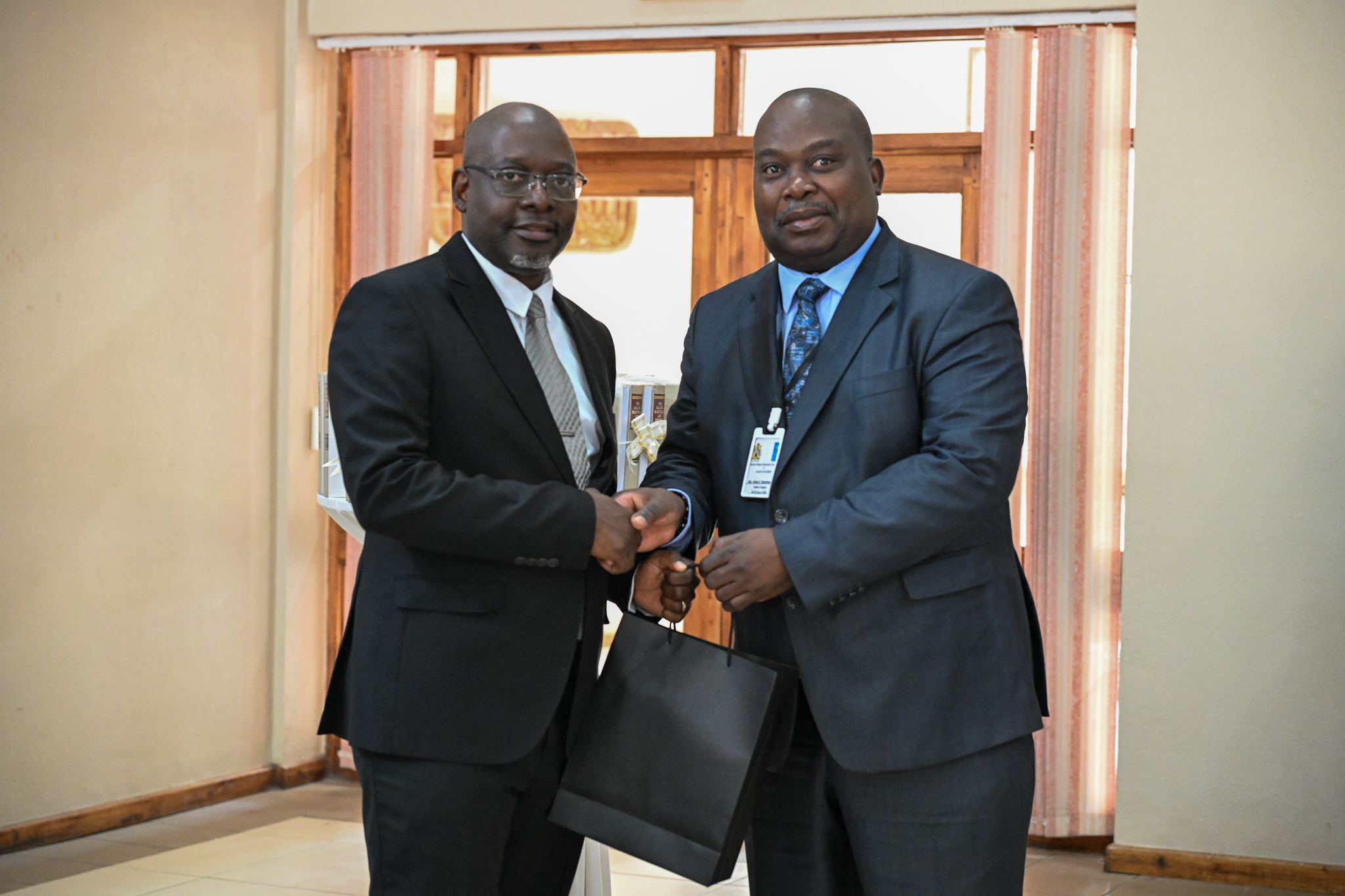
UNDP, Chief Technical Advisor for the Rule of Law and Human Rights, Dr. Rowland Cole (left), receives two volumes of the Malawi Electoral Law Reports, a compilation of key judgments on electoral disputes.
Launch of Malawi Electoral Law Reports
The conference also marked the launch of the first two volumes of the Malawi Electoral Law Reports, which compiled key judgments on electoral disputes. The Chief Justice described them as a milestone for judicial preparedness. “Law reporting provides easy accessibility of case law to all… the publication of electoral law reports will hasten the disposal of election disputes,” he noted.
This initiative by the Judiciary Committee on Elections was supported through the Malawi Electoral Support Project, funded by basket fund partners: the European Union, the Foreign, Commonwealth and Development Office (FCDO), the Embassy of Ireland, the US Department for International Development, and the Embassy of Norway.
Related
content
content


