

 Locations
Future-Ready ASEAN Cities Investing in Resilience, Inclusion & Long-Term Competitiveness
November 25, 2025
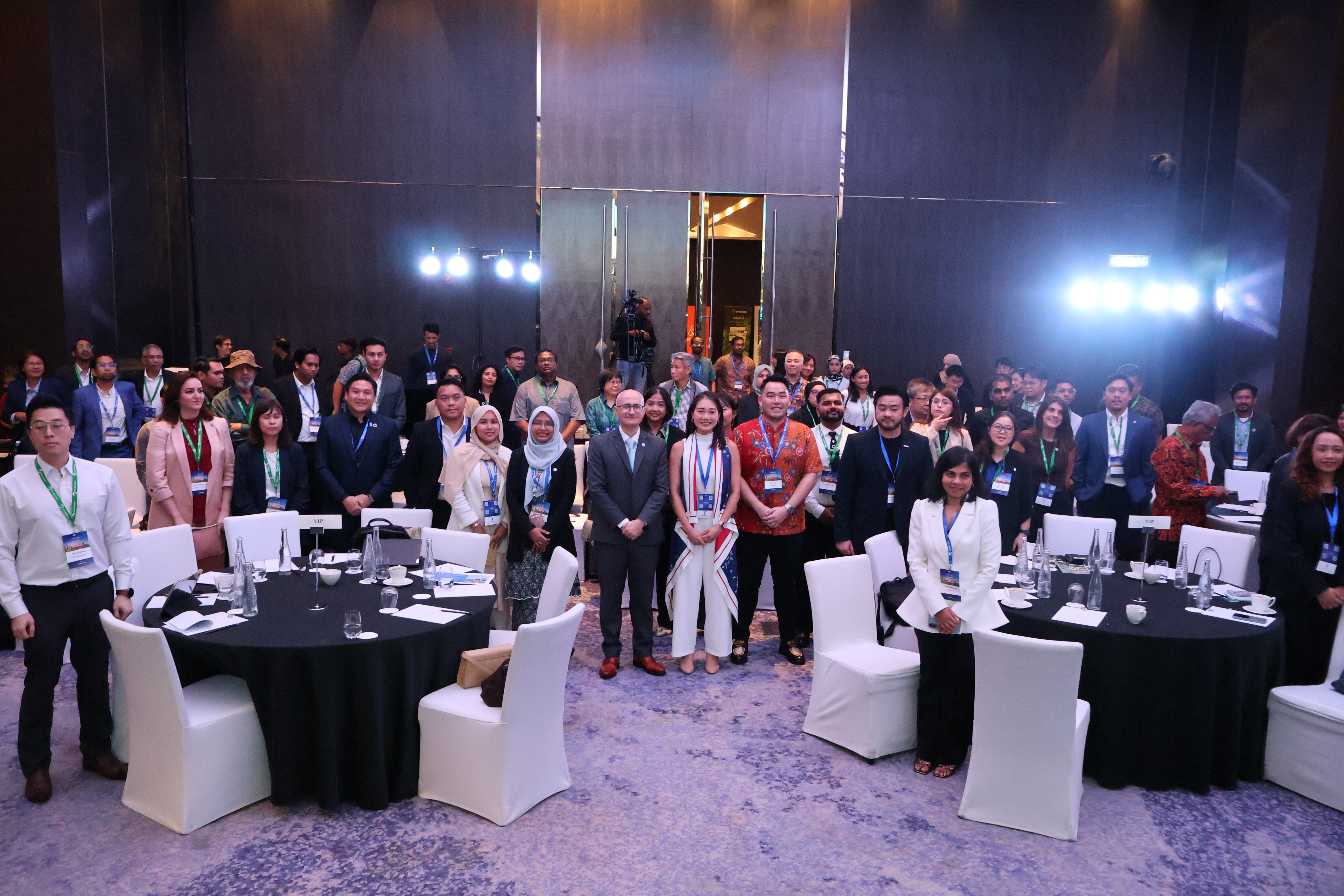
Cities: Possibilities 2025 – Building Future-Ready Cities
18 November 2025: As ASEAN Chair for 2025, Malaysia is spearheading efforts to strengthen regional unity, economic integrity and climate resilience under the Kuala Lumpur Declaration on ASEAN 2045: Our Shared Future— a blueprint committed to inclusive, sustainable growth and deeper multilateral cooperation. In this spirit of advancing regional and global action, UNDP Malaysia was honoured to serve as a Strategic Partner at the inaugural Malaysian edition of Cities: Possibilities 2025 – Building Future-Ready Cities, organized by Eco-Business at Sofitel Kuala Lumpur Damansara.
Held in parallel with COP30 in Belém, Brazil, the forum provided an opportunity to discuss practical implementation strategies that stand at the heart of this year’s global climate negotiations.
By mid-century, almost 7 in 10 people will live in cities. They occupy just 3% of land but drive 60–80% of global energy use, 75% of CO₂ emissions, and around 80% of GDP. At the same time, up to 3 billion people struggle to afford a home, and over 1.1 billion live in slums or informal settlements without basic services. Asia is experiencing climate impacts more intensely than the global average, with faster sea-level rise, extreme heat, and frequent floods becoming routine.
Reflecting on this, Edward Vrkić, Resident Representative to UNDP Malaysia, Singapore & Brunei Darussalam, emphasised that urban planning today requires foresight that responds to climate change, shifting demographics and technological disruption, while ensuring the well-being of all people remains at the centre.
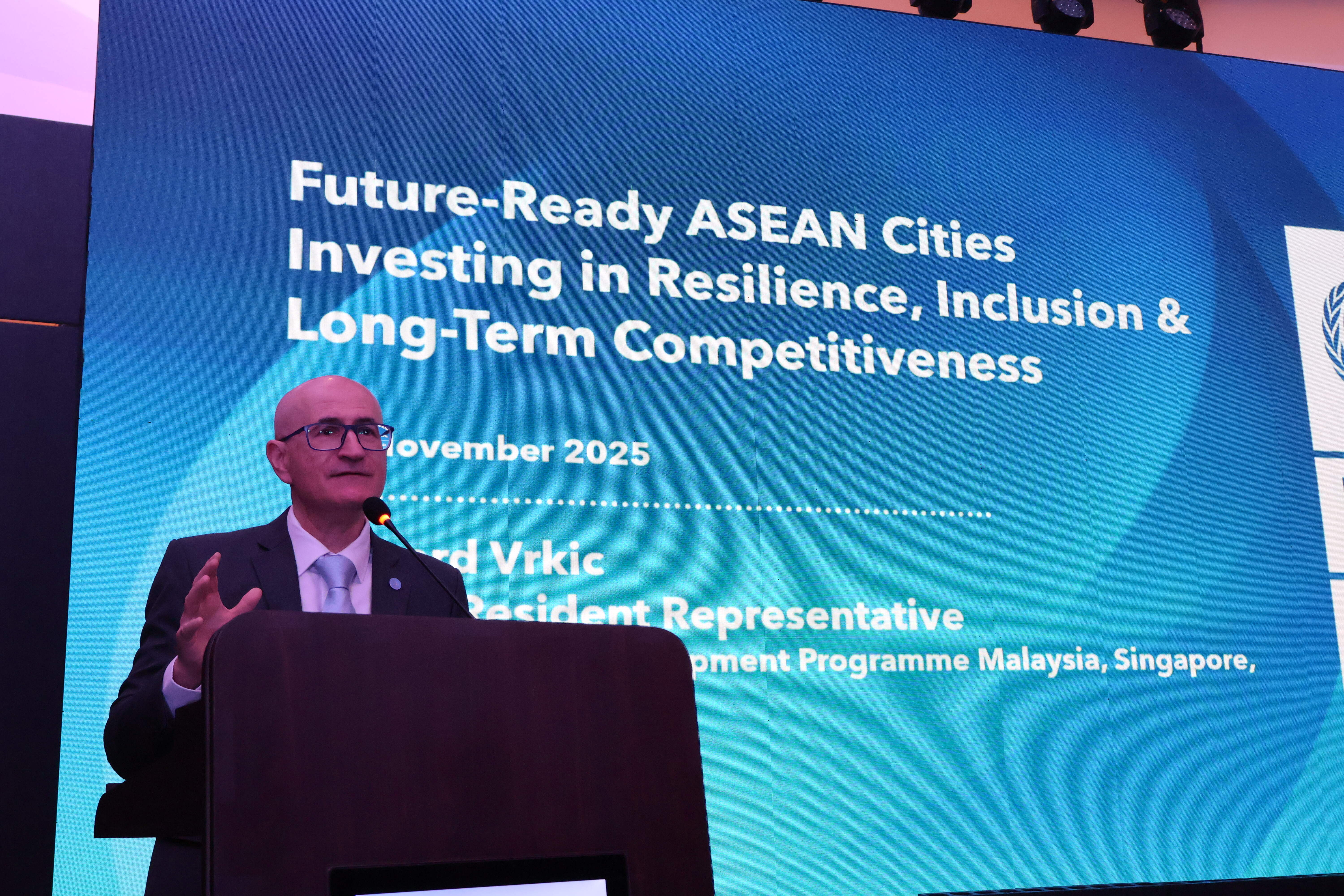
Edward Vrkić, Resident Representative to UNDP Malaysia, Singapore and Brunei Darussalam, delivering remarks on building future-ready ASEAN cities.
“Urban planning requires far more than investing in infrastructure. Today, urban planning requires we consider what cities need to ensure people are able to live productive, safe and fulfilled lives. Good urban design facilitates growth and opportunity for all. This requires citizens participate more in decision-making and that Governments anticipate change, respond with agility, and adapt to broader social and economic challenges and opportunities.”— Edward Vrkić, Resident Representative to UNDP Malaysia, Singapore & Brunei Darussalam
The discussions highlighted that the future of ASEAN’s cities will depend not only on the infrastructure built, but on the quality of partnerships nurtured along the way. CEOs, regulators, industry leaders and civil society each play a crucial role in shaping urban environments that are resilient, inclusive and environmentally sustainable.
UNDP Malaysia remains committed to advancing this by providing the analytical foundations needed to support progress through data-driven insights, institutional strengthening and sustainable finance expertise. As stakeholders across the region recognise the importance of collaborative leadership, there is growing momentum to design cities that can withstand climate shocks, foster thriving communities and remain competitive in an increasingly complex global landscape.