

 Locations
Digital Solutions for Electoral Violence Prevention in Honduras
May 5, 2026
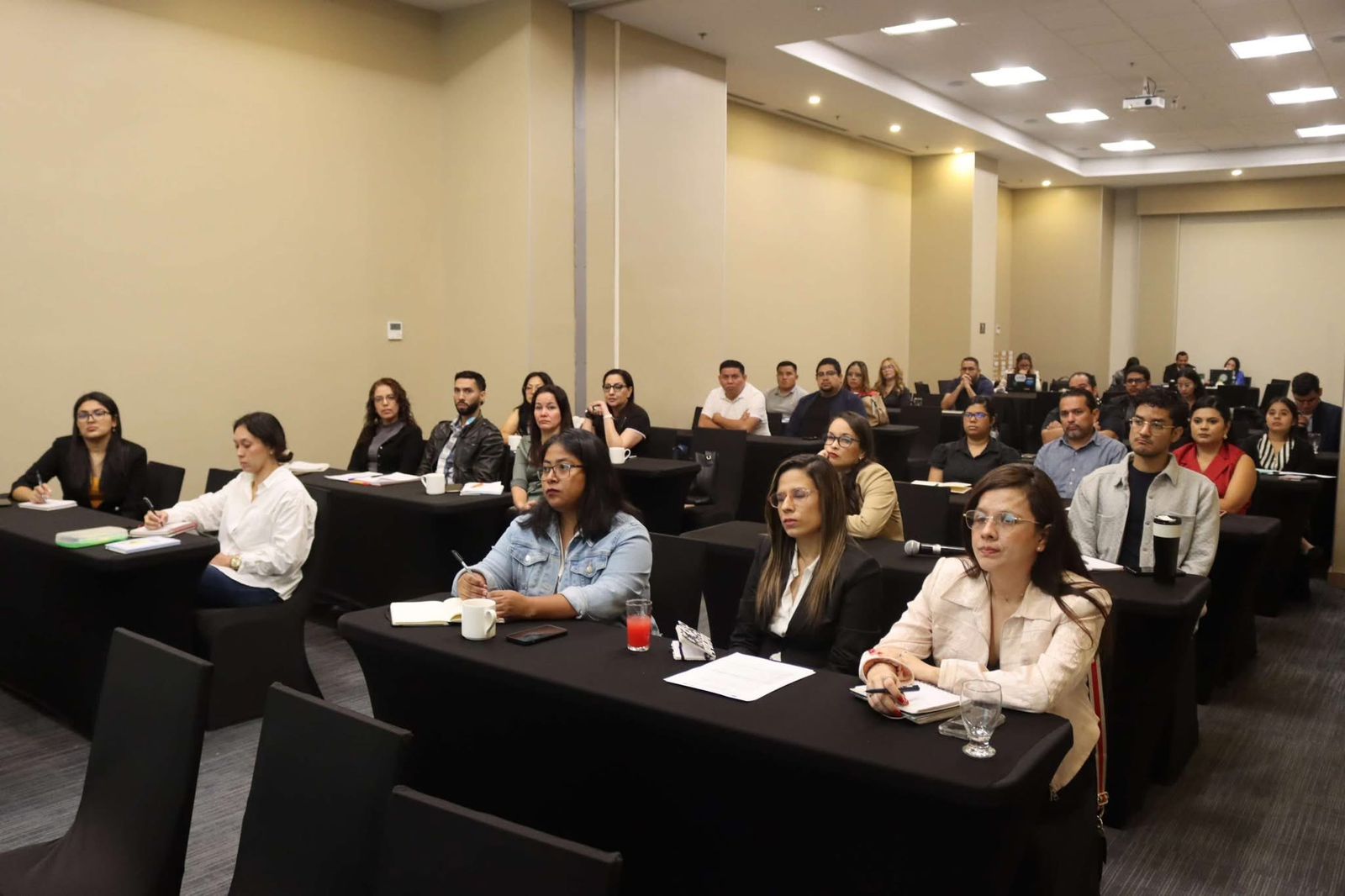
In the last electoral cycle in Honduras, more than half of all reported incidents surfaced well before election day. Understanding these patterns became an important step toward strengthening preparedness across the electoral system. As electoral environments continue to evolve and experience new operational and coordination pressures, reinforcing institutional capacities has become increasingly relevant.
In this context, national institutions and their international partners advanced efforts to develop early‑warning mechanisms capable of identifying, analyzing, and addressing risks before they affect the functioning of the electoral process. This collaboration reflects a shared objective: to support conditions that promote participation, transparency, and public confidence throughout the electoral cycle.
In this framework, the Electoral Early Warning System (Sistema de Alerta Temprana Electoral, hereafter SAT-E) in Honduras was implemented as a joint initiative led by the National Human Rights Commission of Honduras (Comisionado Nacional de los Derechos Humanos en Honduras ,CONADEH), with technical support from the United Nations Development Programme (UNDP) and UN Women, and financing from the European Union. The platform was developed by UNDP’s Digital, AI and Innovation Hub Office through a partnership with the EC–UNDP Joint Task Force on Electoral Assistance (JTF), which has supported the deployment of similar systems worldwide since 2020. UNDP’s Digital Studio — the Hub’s in-house product development team — handled the end-to-end design and software development of the platform, applying human-centred methods to translate complex early-warning needs into an accessible, real-world tool.
SAT-E was conceived not solely as a reactive mechanism, but as a tool capable of anticipating risks and facilitating preventive actions by multiple actors to de-escalate risks before violent events take place. Civil society organizations, alongside the staff of CONADEH, were trained and became responsible for monitoring and reporting cases through the platform, covering all 18 regions of Honduras. This nationwide network of monitors was supported by specialized analyst teams located in the capital of the country, providing around‑the‑ clock verification, management, and coordination of responses—ensuring that early signs of tension could be addressed quickly, consistently, and collaboratively.

The digital layer: bridging information gaps
A core innovation of the SAT-E platform was its ability to centralize, structure, and visualize data from diverse sources in real time. Digital dashboards, geospatial mapping, automated triage of alerts, and standardized reporting workflows enabled institutions to:
- detect emerging patterns of tension,
- identify hotspots of recurrent conflict,
- share situational updates rapidly, and
- coordinate responses through previously unconnected institutional channels.
By digitizing processes that were historically manual, dispersed, or dependent on personal networks, SAT-E created a common operational picture that strengthened both preventive action and accountability.
Monitoring and responding to incidents during the electoral process
The evidence generated during the three-and-a-half-month implementation phase—spanning the political campaign, election day, results period, and inauguration of the new government—provides a clear and comprehensive picture of both the scale and concentration of electoral risks throughout the process. Over this relatively short period—covering the pre-election environment, campaign period, and election day—the SAT-E received 719 reports nationwide. Of these, 553 were verified and formally referred to the competent institutions for response. In the context of a single electoral cycle, this volume reflects not isolated or sporadic events, but a sustained pattern of risks affecting different stages of the process—from campaign activities and local political dynamics to polling-day operations. The fact that more than three-quarters of reports were verified underscores both the credibility of the reporting channels and the magnitude of actionable incidents requiring institutional attention.
The data also highlights the structural dimension of gender-based electoral violence. The registration of 61 reports with a gender focus—52 of which were verified—signals that violence was not gender-neutral. These incidents, largely involving intimidation, threats, and institutional pressures targeting women in electoral or political roles, illustrate the additional barriers faced by women candidates, activists, and officials. In proportional terms, gender-focused cases represented a significant subset of overall verified incidents, pointing to the need for targeted prevention and protection measures within the broader electoral security framework.
The temporal distribution of reports further reveals how risks intensified at critical junctures of the process. The peak occurred on election day, 30 November 2025, when 143 reports were recorded within a single day—nearly one-fifth of all reports received during the entire three-and-a-half-month period. This concentration of incidents at the most sensitive moment of the electoral cycle demonstrates both the heightened vulnerability of polling operations and the operational relevance of real-time monitoring. By capturing, verifying, and escalating alerts as they unfolded, the system enhanced situational awareness at a decisive stage of the process, supporting timely responses and reinforcing institutional capacity to safeguard the integrity and security of the vote.
How is monitoring relevant to promoting participation?
Monitoring played a critical role not only in identifying patterns of electoral conflict but in safeguarding citizens’ electoral rights. One notable finding was that severe physical violence was not predominant. Instead, many cases consisted of institutional and political conflicts—including between political parties and national institutions These were mostly concentrated in the most important urban areas of the country, which accounted for over half of all recorded cases.
Identifying and assessing violent events was essential, as it helped to pinpoint the most recurrent forms of conflict, categorize them consistently, and understand their underlying drivers. For example, during election day, monitors received a significant number of reports related to delayed opening of polling stations and technical failures in the biometric identification system—issues that collectively slowed the start of voting across multiple locations. Thanks to real‑time monitoring, many of these incidents were promptly channeled through the CONADEH to the competent authority, the National Electoral Council (Consejo Nacional Electoral, CNE). In response to the scale of the delays, the electoral authority extended the closing hours of polling stations. This decision ensured that voters affected by late openings or technical disruptions could still exercise their right to vote.
In this way, monitoring became a direct mechanism for protecting electoral rights. It strengthened institutional capacity to respond quickly, apply standardized protocols, and make evidence‑based decisions that keep voting spaces open, safe, and inclusive. The resulting dataset now informs future electoral planning, supports institutional reforms, and provides a valuable baseline for comparing risks across electoral cycles—ultimately contributing to more resilient democratic participation.
Looking ahead
As Honduras prepares for future electoral processes, the SAT‑E experience offers valuable insights into how evidence‑based monitoring can support electoral governance, promote respect for human rights, and strengthen a democratic culture. The system showed that when information flows in a timely and coordinated manner, early warnings can inform institutional actions that help keep polling stations functioning, safeguard citizens’ electoral rights, and maintain public confidence during key moments of the process.
Looking ahead, the priority extends beyond improving voter rights. It involves continuing to strengthen the institutional frameworks responsible for anticipating risks, managing operational challenges, and ensuring transparency throughout the electoral cycle. Honduras has demonstrated that prevention‑focused coordination among institutions is both feasible and constructive. The next step is to continue building these capacities so that upcoming elections benefit from the same commitment to readiness, collaboration, and democratic integrity.
Related
content
content


