

 Locations
COP 30: A Defining Moment for Liberia’s Climate Ambition and Global Solidarity
October 20, 2025


As the world prepares to convene in Belém, Brazil, for COP 30, Liberia stands at a pivotal juncture. With the submission of its Third Nationally Determined Contribution (NDC 3.0), the country is not only reaffirming its commitment to the Paris Agreement but also ushering in a bold new chapter of climate leadership from the Global South.
This year’s COP is more than a diplomatic milestone—it is a clarion call to the global community and a rallying point for all Liberians.
COP 30 comes at a time when the world is falling short of the Paris goals. The first Global Stocktake has made it clear that ambition must be matched by implementation and support.
For Liberia, a nation highly vulnerable to climate impacts yet responsible for less than 0.03% of global emissions, COP 30 presents a unique opportunity to foster global solidarity, demonstrate climate leadership, resilience, and the immense value of its natural capital, particularly its forests, which rank among the world’s most vital carbon sinks.
This year, Liberia will host its own pavilion at COP 30, a moment of national pride and global visibility. More than symbolic, the pavilion is a strategic platform to share Liberia’s story, spotlight its rainforests and biodiversity, showcase climate-smart development pathways, and mobilize the partnerships and resources needed to realize the ambition of NDC 3.0.
A hallmark of Liberia’s NDC 3.0 is its inclusive and collaborative development process. Led by the Environmental Protection Agency (EPA), and supported by UNDP, the revised NDC was shaped through a country-driven approach involving a broad coalition of stakeholders: government ministries, civil society, youth and women’s groups, academia, the private sector, persons living with disability, and development partners.
Guided by the principle of leave no one behind, this process included technical consultations across all 15 counties, sector-specific workshops, and dialogues with youth, women, and children, ensuring that voices from every community and background informed the outcome. The resulting “Ganta Declaration” embedded gender, youth, freshwater, and child protection into Liberia’s climate ambitions. National investments now prioritize agroecology, women- and youth-led initiatives, and socially inclusive, gender-responsive climate measures.
Support from international organizations, including UNDP, UN Women, UNICEF, UNECA, and the NDC Partnership, provided critical technical and financial resources, aligning Liberia’s goals with global best practices.
Local authorities, traditional leaders, academic institutions, and civil society groups played a central role in infusing the NDC with equity and justice. Their advocacy transformed the NDC into a national pact rooted in transparency, participation, and the lived experiences of all Liberians.
Liberia’s NDC 3.0 is bold, inclusive, and actionable. It commits to a 64% reduction in greenhouse gas emissions by 2035, with a vision for net-zero by 2050.
Fully aligned with the ARREST Agenda for Inclusive Development (AAID 2025-2029), the NDC integrates climate resilience across energy, agriculture, forestry, transport, waste, and health sectors. It sets clear adaptation and mitigation targets—from expanding renewable energy and protecting forests to building climate-resilient infrastructure and empowering women, youth, and vulnerable communities.
Yet Liberia cannot achieve this alone. With the financing cost estimated at 2.5 to 3 billion United States Dollars by 2030, the NDC’s ambition is conditional on international support—finance, technology, and capacity building. Climate finance is not charity; it is an investment in a shared future and in achieving the Sustainable Development Goals (SDGs).
A defining strength of Liberia’s NDC 3.0 is its deep integration with the SDGs. It is not just a climate plan—it is a blueprint for inclusive, resilient, and low-carbon growth that advances national development priorities while fulfilling global climate commitments.
Liberia’s NDC x SDG Insights Analysis, conducted with UNDP support, confirms that every climate action in the NDC delivers “multiple SDG dividends”—advancing jobs, health, equity, food security, and resilience. For instance, investments in renewable energy and sustainable agriculture simultaneously reduce emissions, create jobs, empower women and youth, and enhance food security.
In short, every dollar invested in Liberia’s NDC is a dollar for climate action, poverty reduction, gender equality, health, and a more resilient and prosperous Liberia.
At COP 30, the launch of the Tropical Forest Forever Facility (TFFF) marks a once-in-a-generation opportunity. This innovative global financing mechanism will provide long-term, results-based payments to countries like Liberia for conserving and restoring tropical forests. It will direct substantial funding to those on the frontlines of forest protection, including Indigenous Peoples and Local Communities, and is expected to nearly triple the current volume of international forest finance.
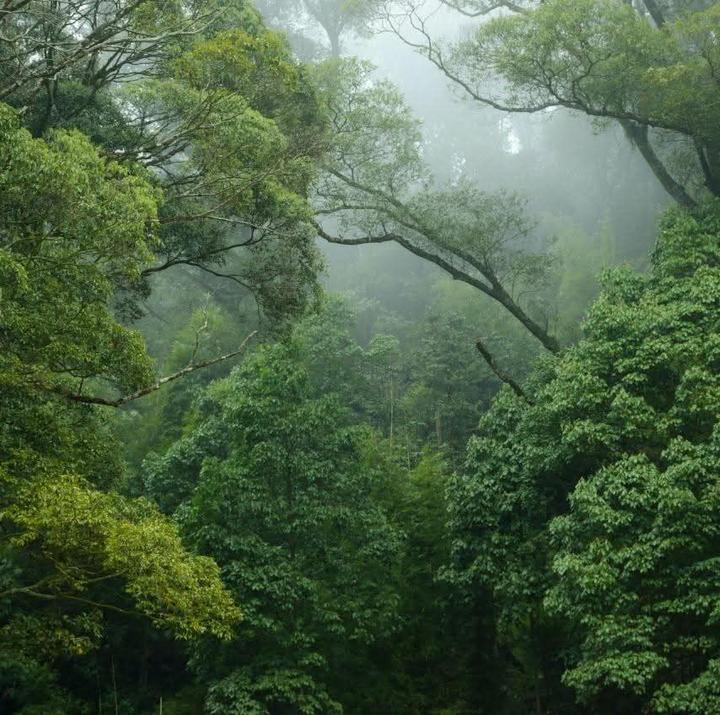
For Liberia, the TFFF could be transformative—unlocking sustainable financing for inclusive growth, supporting NDC implementation, and ensuring the protection of the nation’s natural capital for generations to come.
To seize this moment, all national stakeholders must align their efforts with NDC 3.0. The government must mainstream climate action across ministries and agencies, integrating climate considerations into every aspect of national development planning.
The private sector must invest in renewable energy, sustainable agriculture, and green jobs, while leveraging climate finance mechanisms. Development partners must honor their commitments, scaling up support for Liberia’s climate priorities and ensuring that finance flows are predictable, accessible, and aligned with national strategies.
True climate resilience is built from the ground up. Community organizations, civil society, women, youth, and local leaders are essential partners in delivering climate solutions that are just, inclusive, and effective.
Liberia’s NDC 3.0 was shaped through a participatory process—this spirit of collective ownership must continue through grassroots action, public awareness, and a national consciousness that sees climate action as both a patriotic duty and a legacy for future generations.
COP 30 is not just another conference. For Liberia, it is a moment to reflect on what is at stake: the future of our forests, our communities, and our children.
It is a moment to showcase our ambition, demand fairness, and call for solidarity. But the true test will come after the cameras leave Belém. Will we, as a nation, sustain the momentum? Will we translate commitments into action—nationally, locally, and globally?
Let us rise together—for Liberia, for Africa, and for our planet. Let COP 30 be the turning point where ambition meets action, promises become progress, and Liberia’s climate leadership inspires the world.


