

 Locations
UNDP Hands Over Solar-Powered Water Systems to Women and Youth in Yipala
October 2, 2025
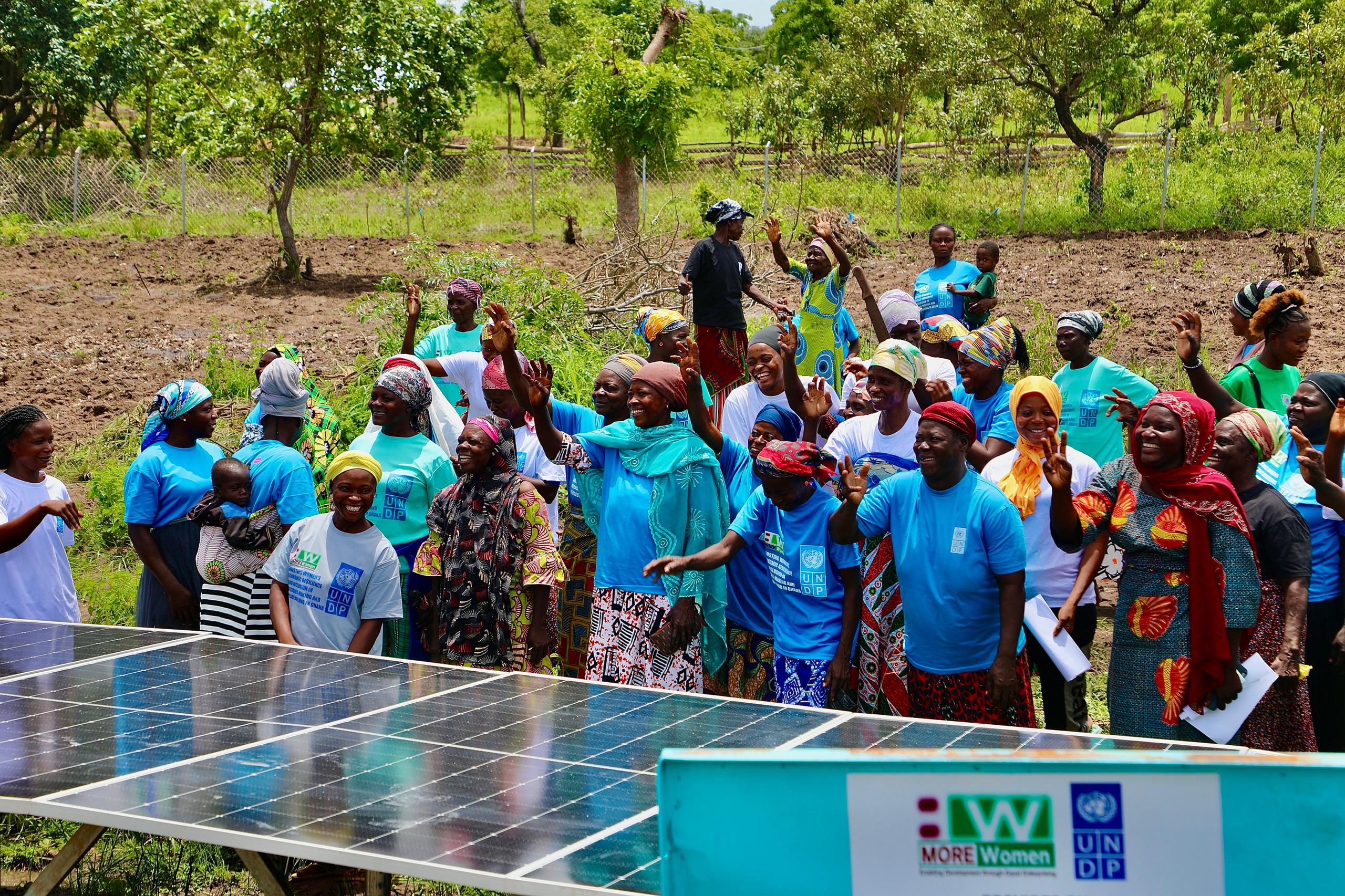
Group photo of beneficiaries
In the heart of West Gonja, hope now flows freely. The United Nations Development Programme (UNDP) officially handed over two solar-powered mechanized water systems to women and youth in Yipala community, marking a new chapter in sustainable livelihoods, resilience, and inclusion.
The initiative, implemented in partnership with MORE Women and generously funded by the governments of Denmark and Luxembourg, is part of UNDP’s flagship project “Boosting Women’s Economic Resilience and Inclusion in Decision-Making and Peacebuilding in Ghana.” The project addresses barriers to women’s participation in governance and peacebuilding, while simultaneously building resilience to climate-induced shocks.
For decades, women in Yipala have carried the burden of limited access to productive resources, unreliable water supply, and restricted participation in decision-making processes. The newly installed solar-powered water systems are more than just an infrastructure upgrade, they are a lifeline. With reliable irrigation, 100 women and youth now have access to year-round farming opportunities, boosting food security and creating new income streams.
Speaking at the ceremony, Jenifer Asuako, UNDP Ghana’s Programme Analyst for Gender and Human Rights highlighted the crucial role women play in supporting households and communities despite pressing challenges.
“Today marks a significant step in empowering women and youth to build resilience and secure sustainable livelihoods. Women play a crucial role in supporting households and communities despite facing persistent challenges such as limited access to land, finance, and technology. With these solar-powered water systems, we are enabling all year-round farming and income generation, ensuring that women thrive, for a stronger and more resilient communities”

Jenifer Asuako, UNDP Ghana’s Programme Analyst for Gender and Human Rights, addressing the beneficiaries
The project also provided capacity-building in financial literacy, group dynamics, and peacebuilding. The handing-over event drew together traditional authorities, local government officials, and development partners. Representatives from the Department of Agriculture, Ghana Enterprise Agency, and the West Gonja Municipal Assembly emphasized the ripple effects of the project: not only will it strengthen the vegetable production value chain, but it will also reduce the hours women spend traveling in search of fresh produce.
Sixtus Nsoh, Programmes Manager of MORE Women, indicated that the project is a transformative step toward empowering women and youth in Yipala
“We are deeply grateful to UNDP and our donor partners, the governments of Denmark and Luxembourg, for this invaluable support to the people of Yipala. With these two solar-powered mechanized water systems, fenced gardens, improved seeds, and capacity-building in financial literacy and peacebuilding, women and youth here are now better positioned to strengthen their livelihoods, build resilience, and participate more actively in decision-making processes. This is not just about water, it is about dignity, opportunity, and hope for the future of this community.

Sixtus Nsoh, Programmes Manager of MORE Women, delivering his remarks
Beyond farming, the solar-powered systems will also serve domestic needs, providing clean water for drinking, cooking, bathing, and washing clothes, improving the quality of life across Yipala.
“This water system has changed our lives. Now we can farm throughout the year, take care of our families, and even support the wider community with fresh vegetables. It gives us hope for a better future here in Yipala.” Beneficiary, Yipala Community

Anata Issahaku, a beneficiary
The Yipala initiative is not an isolated intervention. It is part of UNDP’s broader strategy in northern Ghana, where social cohesion, inclusive governance, and women’s empowerment are central to preventing conflict and addressing vulnerabilities that fuel violent extremism. By linking economic empowerment with peacebuilding, the project demonstrates how access to resources can translate into stronger community resilience and inclusive decision-making.
Sustainability is at the heart of this initiative. With strong collaboration among UNDP, local institutions, and community leadership, the solar-powered water systems are designed to serve generations to come. Follow-up plans include supervising transplanting of seedlings and monitoring beneficiaries’ progress to ensure the gardens flourish.
As water flows through Yipala’s fields, it carries with it the promise of food security, economic independence, and a stronger voice for women in decision-making. With every seed planted and every harvest reaped, Yipala’s women are cultivating not just crops, but also peace, dignity, and resilience.
Related
content
content


