

 Locations
Power in Transition
February 20, 2026

Power in Transition
A Horizon Scan of the Shifting Landscape of Global Energy
As the world navigates the twin topics of climate action and energy access, the way we generate, govern and consume energy is undergoing transformation. From the quiet emergence of ‘invisible’ infrastructure to the weaponization of electricity in conflict zones, we are witnessing a mix of innovation and geopolitical disruption. This horizon scan looks across seven evolving trends shaping the future of energy. In a nutshell:
- The growing threat of energy theft, even in renewable installations.
- The emergence of 'invisible energy' through integrated infrastructure.
- The rise of community driven energy systems and local ownership.
- The re-emergence of energy poverty due to volatile markets.
- The increasing use of energy as a geopolitical weapon.
- The potential of recycled fuels from waste and atmospheric carbon.
- The "twin transition" of energy and AI
Looking Around
Energy Theft in the Age of Renewables
Renewables may be clean, but they’re not immune to theft. As investment grows in solar, wind, and hydro installations, so too does the risk of criminal interference from the physical theft of solar panels and copper wiring, to the more novel problem of “wind” theft. The latter happens when wind turbines are placed too close together or upwind of existing farms which disrupts airflow and effectively “steals” wind that neighboring sites depend on to generate power. This raises thorny legal questions about environmental ownership. As countries scale up renewable infrastructure, theft is no longer a niche concern but a real threat to economic viability and public trust.
Something to think about: As renewable energy expands, who decides where the boundaries of ownership over natural flows like wind and water truly lie?
Energy in Disguise

What if your window powered your fridge? Or your farm not only fed your family but also charged your phone? This is the quiet revolution of “invisible energy” which integrates energy generation into everyday infrastructure. Transparent solar panels are now being developed to replace traditional windows, enabling buildings to generate electricity while maintaining their aesthetic and functional integrity. At the same time, projects in road solar technology are turning transportation networks into distributed power sources, while agrivoltaics allow crops to grow beneath solar panels which becomes a dual use system with application in areas where land is scarce. In agricultural regions, interest is growing in combining food and energy production on the same land, promising new pathways to resilience.
For development, the implications are profound. Embedding energy production into housing, roads, and farms could expand access in places where extending the grid is not viable. It creates opportunities for households and communities to generate their own electricity, reduce costs, and build resilience against price shocks. At the same time, these technologies could shift value chains, which raises questions of ownership, affordability and access.
Something to think about: If power generation becomes embedded into homes, roads, and farms, who benefits from this new wealth and who risks being excluded?
Power to the People
Not all innovation is technological. Across the world, energy communities are emerging as political and economic actors, from rural microgrids in India to citizen cooperatives in Europe. These community led systems could shift the energy paradigm, if they move from centralized control to local ownership, from passive consumption to active participation. In Europe, community energy models are being used to tackle energy poverty and reduce household bills. In the Global South, local groups are creating their own off-grid systems, including solar-powered microgrids that bring electricity to villages not served by national utilities. This shift is more than technical, it’s political. It potentially changes the role of government, which could evolve from being a sole provider of energy to becoming a supporter and an enabler of local systems.
Something to think about: As communities claim greater control over their own energy, will governments adapt as enablers?
The High Cost of Cold
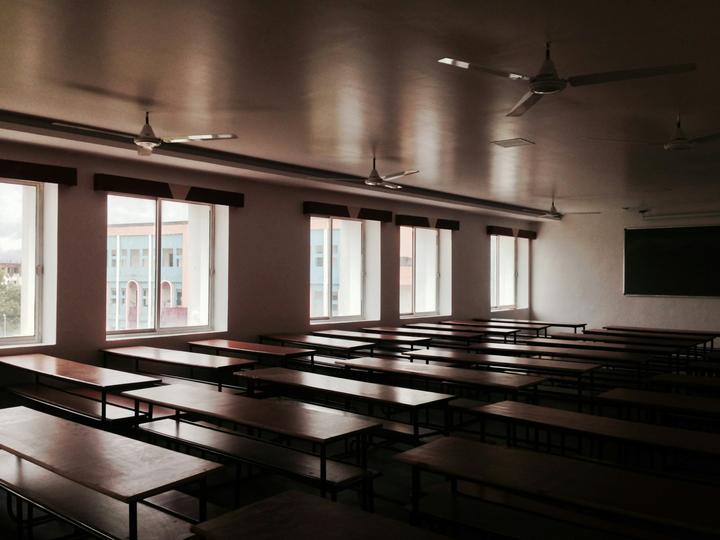
Even in high-income countries, energy poverty is reemerging as a crisis. Volatile prices, driven by war, supply chain disruption, and climate pressures, are forcing schools to shorten hours and threatening the health of elderly people unable to heat their homes. In Hungary, one of the country’s major universities recently warned it may shut down due to soaring overhead costs. In the UK, schools are considering reducing the school week to manage energy bills. Behind these headlines are institutions struggling to absorb energy shocks. These conditions underscore the need for stronger energy safety nets, smarter market regulation and a more inclusive energy transition that protects the vulnerable sectors, in this case schools.
Something to think about: If energy poverty is re-emerging even in wealthy nations, what does this mean for global promises of a just transition?
Energy as a Weapon
Energy isn’t just about electricity but power in every sense. From strategic subsidies to cyberattacks on infrastructure, control of energy is increasingly playing a role in politics and international relations. Internationally, energy infrastructure has become a target in military conflict, with pipelines sabotaged, power plants bombed, and national grids disrupted. The consequences ripple across borders, contributing to global price spikes, food insecurity and market instability. These trends are fueling a push for energy diversification, greater investment in resilient infrastructure and stronger international legal protections against energy-based coercion.
Something to think about: When energy becomes a tool of war and politics, can international systems protect it as a global common good?
Closing the Loop
The future of fuel may not lie underground but in the air above us or the waste behind us. New technologies are converting everything from atmospheric carbon to farm waste into usable fuels. Direct air carbon capture systems remove CO₂ from the atmosphere, then turn it into synthetic fuels which creates a cycle where carbon is reused, not just stored. In India, farmers are using anaerobic digesters to turn manure and crop waste into Bio-CNG, reducing emissions and boosting local energy independence. These recycled fuels are not only climate-friendly but they signal a broader shift toward circular energy systems that minimize waste, decentralize production and create new sources of value from existing resources.
Something to think about: As carbon and waste are turned into fuels, will these innovations remain niche technologies?
The Promise of AI

AI is rapidly reshaping energy systems, offering unprecedented capabilities for optimizing grids and predicting demand. This digital acceleration promises to streamline the energy transition, making systems smarter and more resilient. However, this progress comes with its own energy footprint. The growth of data centers, the backbone of AI, is driving a significant increase in electricity demand. Current projections suggest data center consumption, which has grown 12% annually over the past five years, will double by 2030, raising critical questions about the sustainability of AI's expansion. The challenge lies in harnessing AI's optimizing power without inadvertently exacerbating energy consumption or creating new forms of digital energy inequality.
Something to think about: How can we ensure the development and deployment of AI contribute to a just and sustainable energy future, rather than creating new demands and disparities?
Looking Ahead
From theft to innovation, from poverty to power plays, the global energy landscape is fracturing and reforming in real time. These trends reveal not just technical possibilities, but deep societal questions: Who controls energy? Who benefits? Who is left behind? As countries chart their own paths through the energy transition, these signals demand attention. They challenge us to think beyond megawatts and markets and to focus on justice, resilience and collective ownership in the future of energy.
Questions for the Future

Potential Impact on Development
Energy transitions have the potential to advance inclusive development but only if they are intentionally designed to do so. Community owned grids, invisible infrastructure and recycled fuels open new avenues for energy access. Yet without safeguards, they also risk entrenching inequalities and vulnerabilities. For development actors, energy must be approached not just as a technical sector, but as a lever for power redistribution and climate justice. The challenge is not only to scale innovation but to embed it within equitable and adaptive systems.
Author: Samuel Gausi
Samuel Gausi is a 2025 UNDP Futures Fellow from Malawi.
The views expressed here are those of the author and do not necessarily represent those of UNDP.