

 Locations
Building a Safer, Healthier Waza: How Water, Security, and Livelihoods Are Changing Lives
February 2, 2026
“The provision of clean and portable water has not only improved the health and well-being of our community but has also contributed to our security and overall development, particularly for our children and women.”
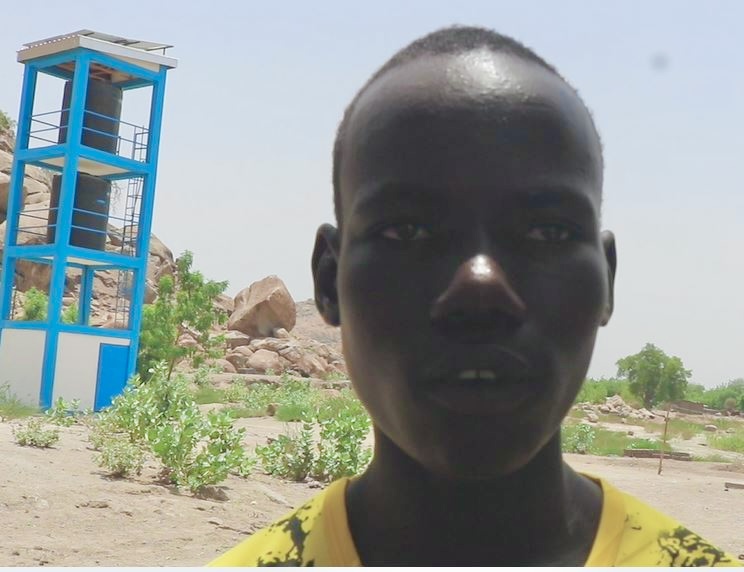
Massao Abakar, community member in waza beneficiary of UNDP CMR Regional Stabilisation Facility (RSF) Far North region
Water problems will soon be a distant memory in Waza, a community in the Far North Region of Cameroon that once endured immense hardship due to the lack of readily available drinking water and insecurity. We previously faced arduous journeys without any security, trekking miles to reach the nearest borehole. Today, thanks to the reinforcement of security and water supply capacity by the town’s council and the contribution of UNDP, new boreholes have been drilled to reinforce the existing ones. Waza now has several new boreholes under this scheme, transforming the lives of community members. Nganet Adamou, Divisional officer of Waza, shared, “People no longer have to travel long distances to get drinking water. This intervention has had a transformative impact on the lives of the community members. You can take a look around”
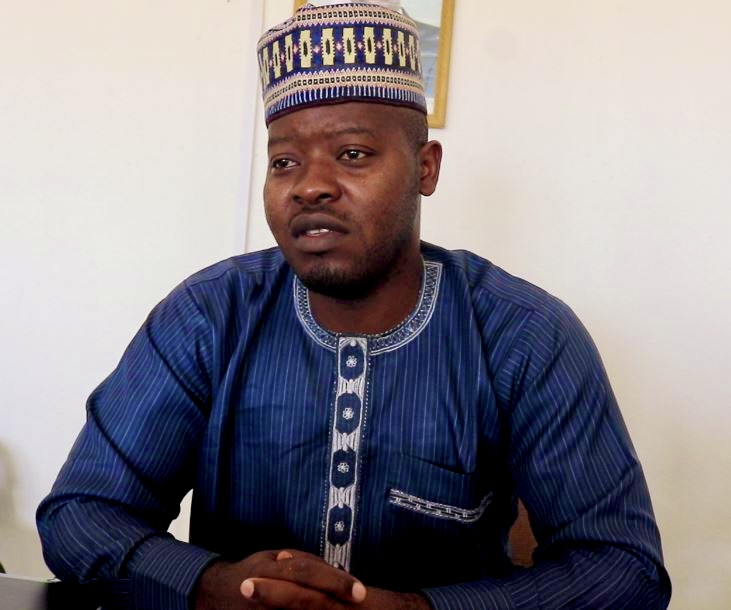
Nganet Adamou, divisional officer of Waza: beneficiary of UNDP CMR Regional Stabilisation Facility (RSF) Far North region
Falmata Mamoudou, a resident of Waza, vividly described the profound changes in her daily existence: “I used to spend several hours each day fetching water for my family’s needs. This arduous task often prevented me from engaging in other productive activities, such as education or economic endeavours, and my children were unable to attend school. Our population has significantly increased due to the Boko Haram crisis, with the influx of refugees and internally displaced people. Children often had to miss school due to poor access to water.”
“With this borehole and water point near my home, my life has improved dramatically; before, my days were consumed by the long walks to fetch water. Now, clean water is just steps away, and everything has changed. My children are healthier, and I no longer worry about them falling sick from dirty water. With the extra time, I’ve started a small business selling fresh juices, and I’m even learning to read and write. This water hasn’t just quenched our thirst, it has given us a new life.”

Falam Mamoudou habitante de waza: beneficiary of UNDP CMR Regional Stabilisation Facility (RSF) Far North region
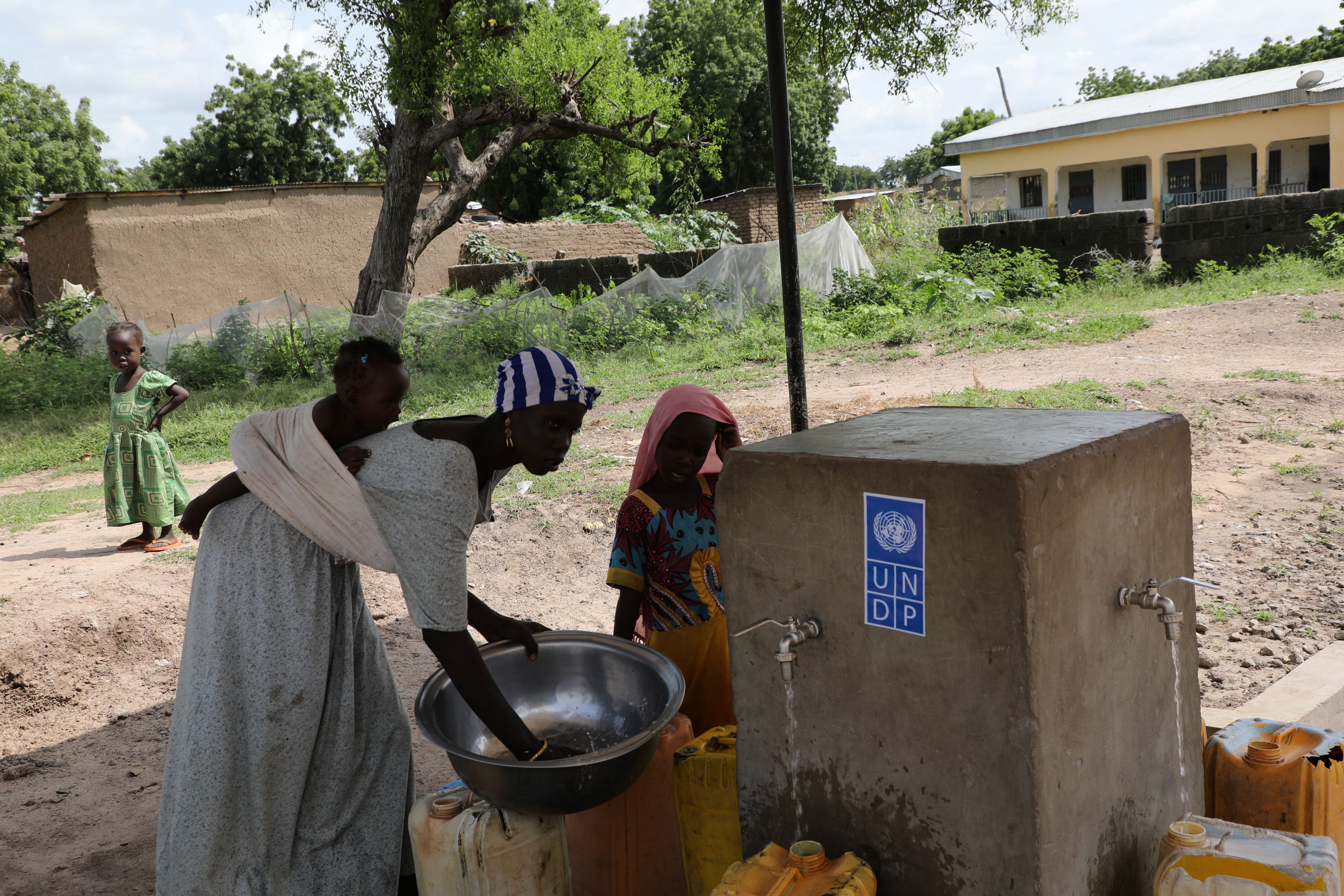
water point waza UNDP CMR Regional Stabilisation Facility (RSF) Far North region
The impact has been profound. As a nurse, “I used to treat countless cases of diarrhoea and skin infections—especially in children. But since the boreholes were installed, I’ve seen a dramatic drop in waterborne illnesses. Families are practising better hygiene, and mothers no longer must choose between dirty water and no water at all. Healthier children mean more consistent school attendance, and that’s a victory for the entire community.” Nurse Amina
Funded by the Government of Japan, the UNDP’s Regional Stabilization Facility (RSF) has been instrumental in delivering this transformative change in Waza, Cameroon. Through critical infrastructure development, the RSF has addressed key areas of security, governance, water access, and livelihoods. Notable achievements include: (1) the construction of a new divisional office, (2) the establishment of a new police station with officer housing and the rehabilitation of the Divisional Officer’s office, strengthening state presence and security, (3) the drilling of two solar-powered boreholes with a 5km network of water pipelines, effectively ending decades of water scarcity for thousands of people, (4) the creation of livelihood hubs, including a Women’s Promotion Center, an agricultural warehouse, and a cattle loading dock, empowering women and boosting the local economy, and (5) the installation of solar electrification for eight key public buildings, ensuring uninterrupted services that directly benefit 3,709 individuals and indirectly impact an estimated 68,000. Collectively, these interventions have restored safety, dignity, and opportunity for the residents of Waza while reinforcing governance in this crisis-affected community.
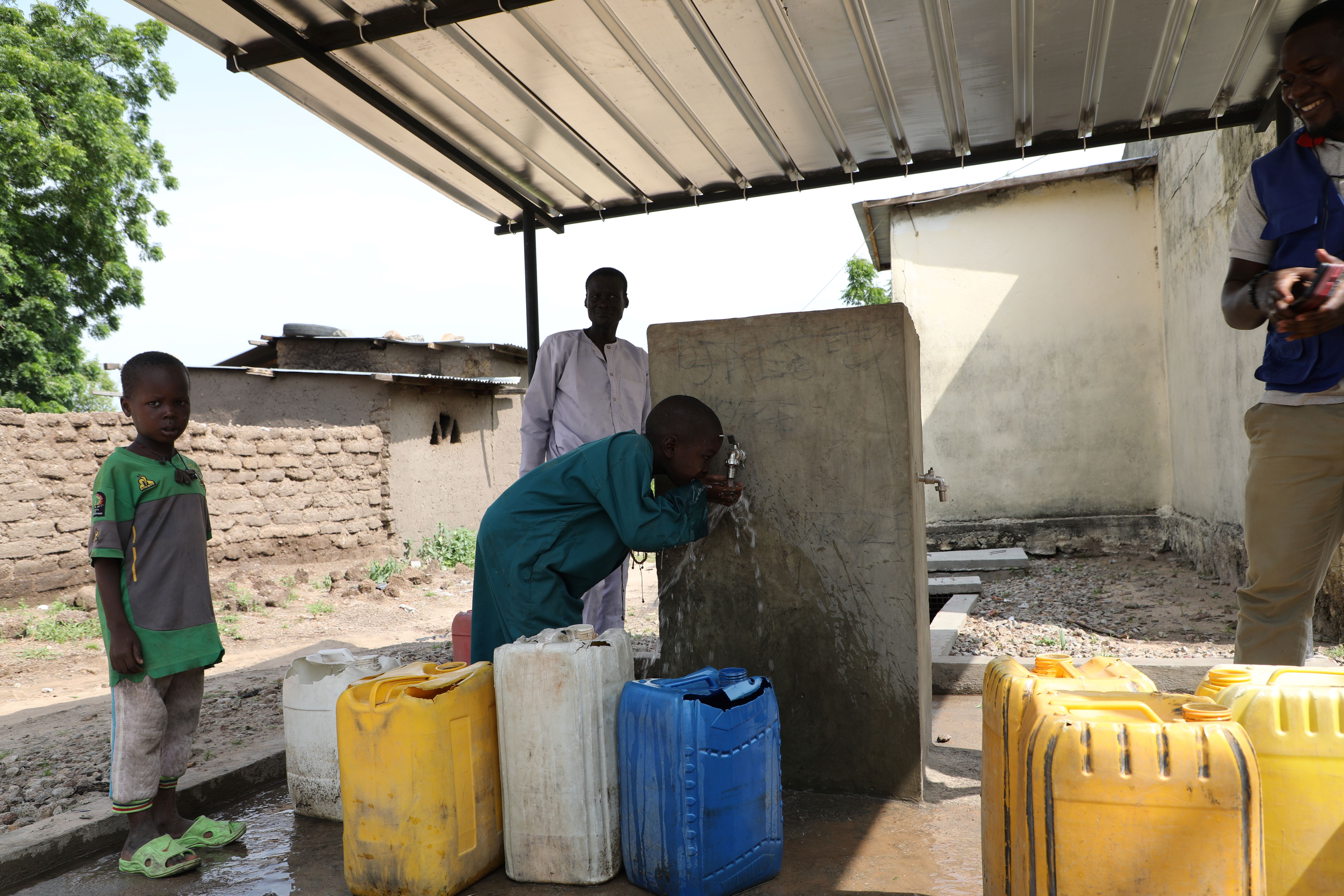
water point UNDP CMR Regional Stabilisation Facility (RSF) Far North region
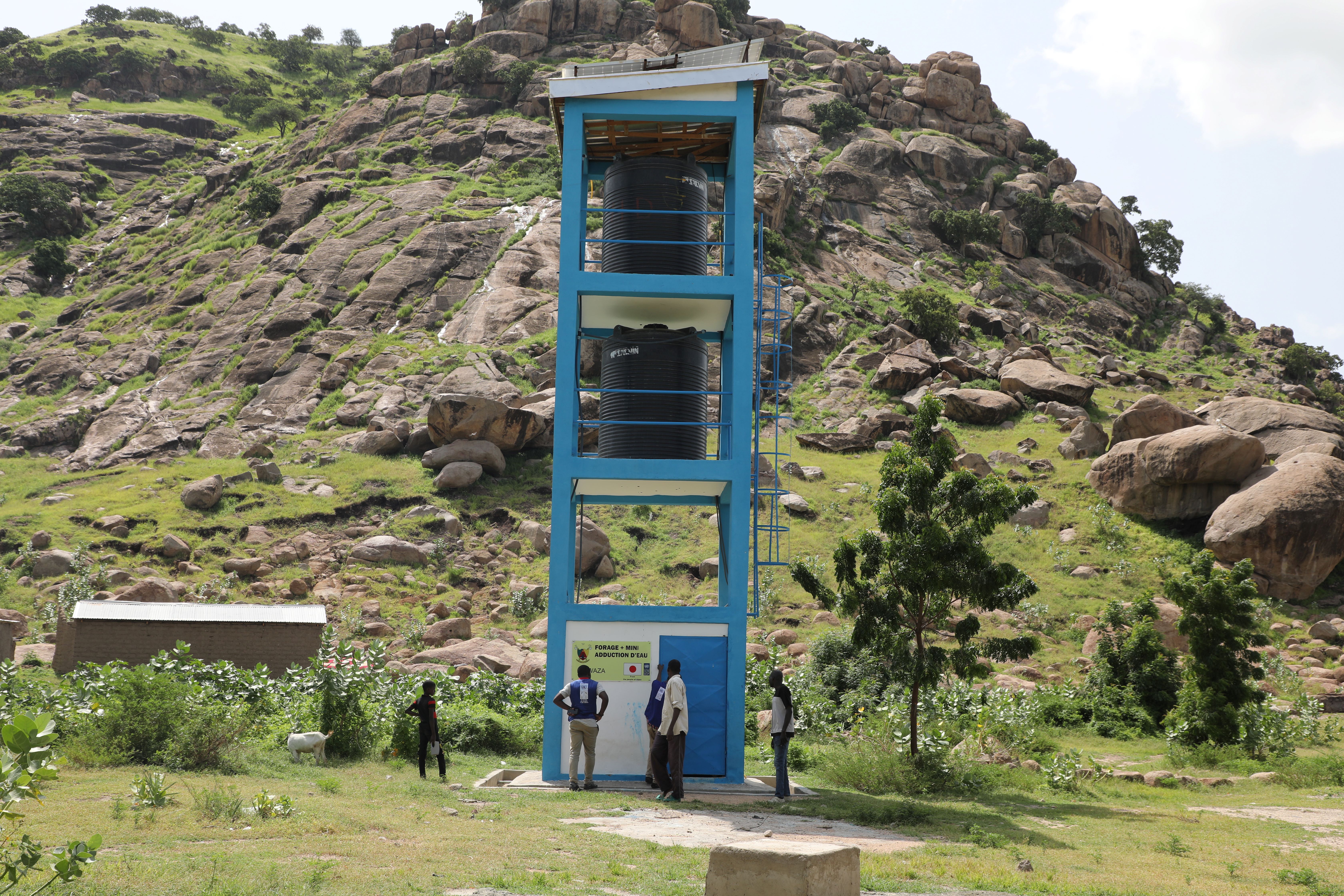
water point UNDP CMR Regional Stabilisation Facility (RSF) Far North region
“The project has directly benefited over 3,709 people in waza , with ripple effects reaching thousands more in the community and its environs. This is just the foundation, with continued support, Waza would fully recover and thrive. "Notes Christophe Charbon, the RSF Programme Manager
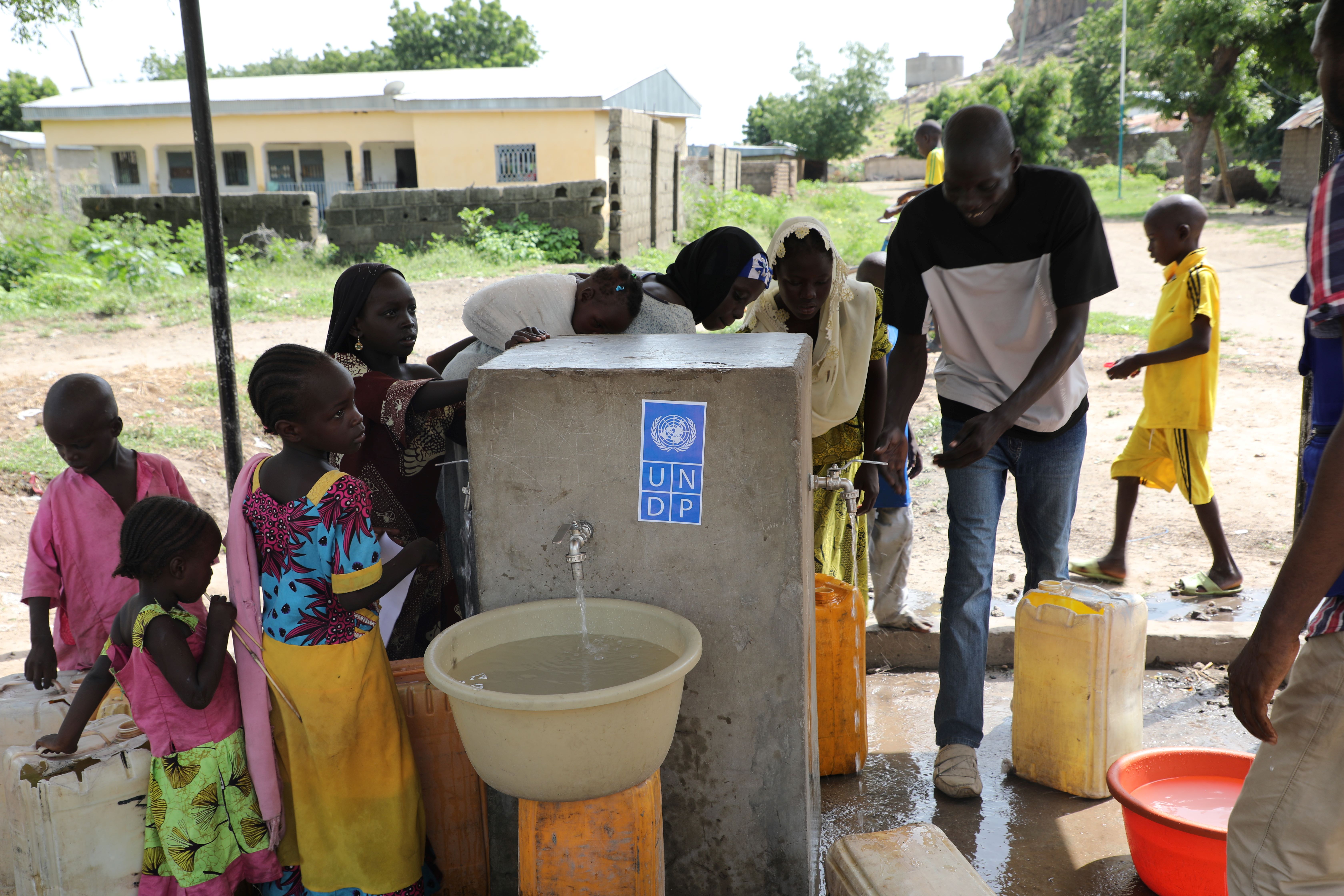
water point UNDP CMR Regional Stabilisation Facility (RSF) Far North region
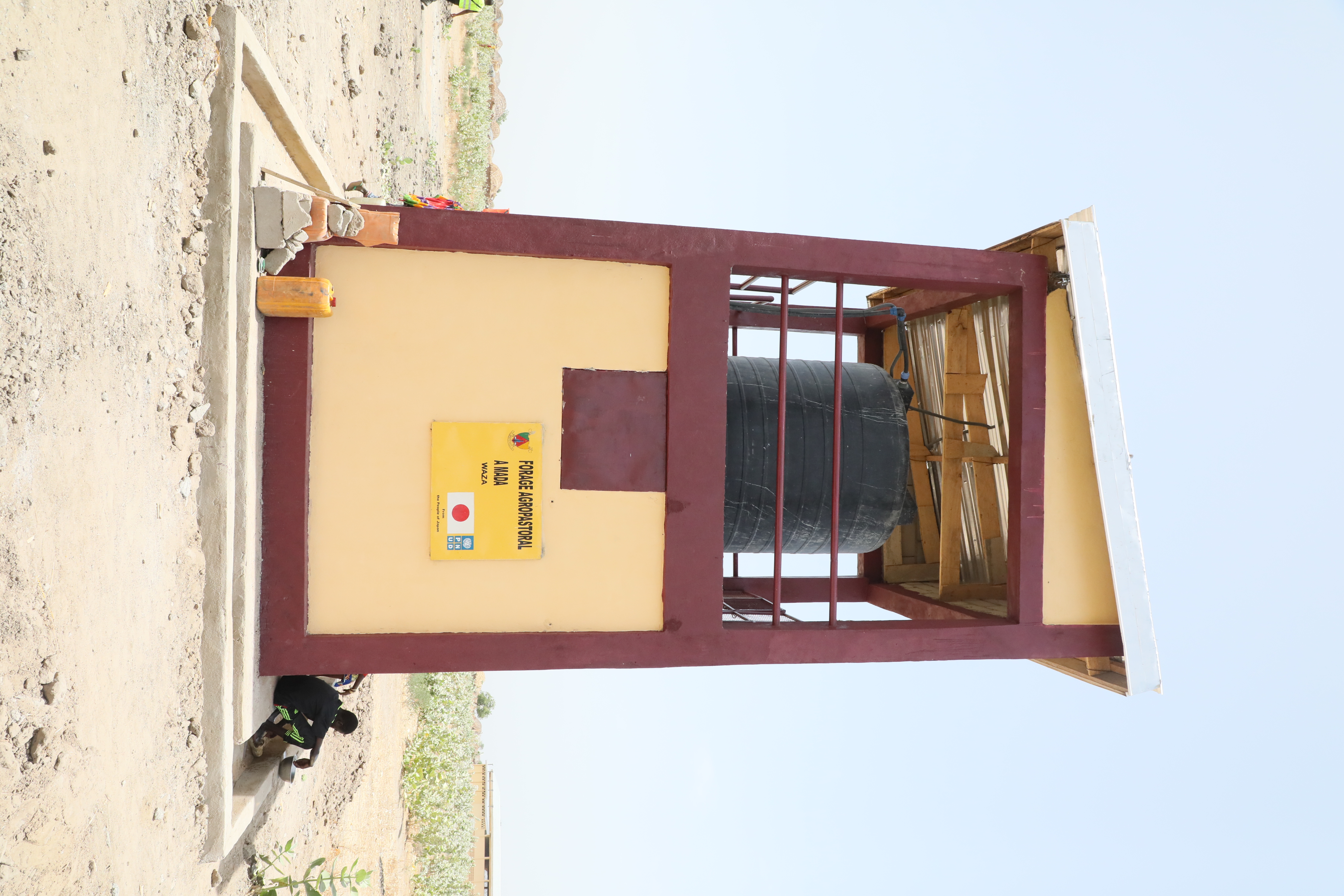
Animal water point UNDP CMR Regional Stabilisation Facility (RSF) Far North region
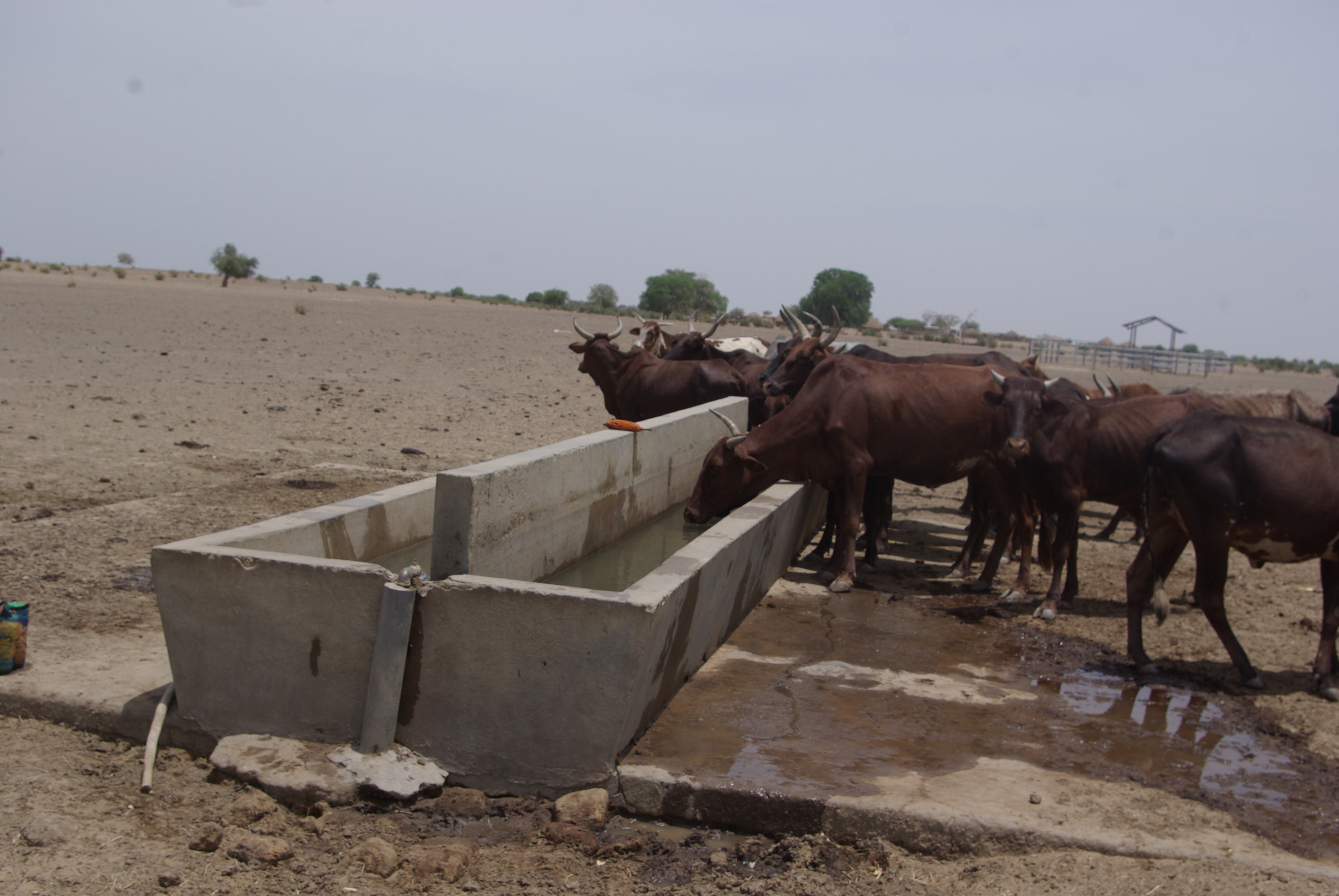
Animal abbrevoir UNDP CMR Regional Stabilisation Facility (RSF) Far North region
Related
content
content


